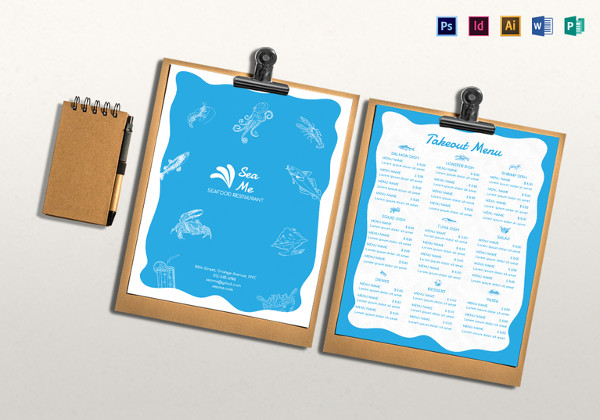
The demand for efficient and effective menu design is consistently high across the hospitality industry. Restaurants, from casual cafes to upscale dining establishments, are constantly seeking ways to streamline operations, enhance customer experience, and ultimately, boost profitability. A well-structured menu template is a cornerstone of this effort. This article will delve into the essential elements of creating a robust menu template, exploring its benefits, different types, and practical considerations for restaurants of all sizes. Take Out Menu Template is more than just a design; it's a strategic tool for optimizing your restaurant's offerings and maximizing revenue. Let's explore how to build a template that truly works for your business.
The initial stages of designing a menu template often involve understanding your restaurant's unique offerings and target audience. A successful template needs to reflect this, showcasing your brand's personality and catering to the preferences of your customers. Consider factors like cuisine style, price points, and the overall ambiance of your restaurant. A visually appealing and easily navigable template is crucial for a positive customer experience. Furthermore, a flexible template allows for easy updates and adjustments as your menu evolves.
Understanding the Benefits of a Robust Menu Template
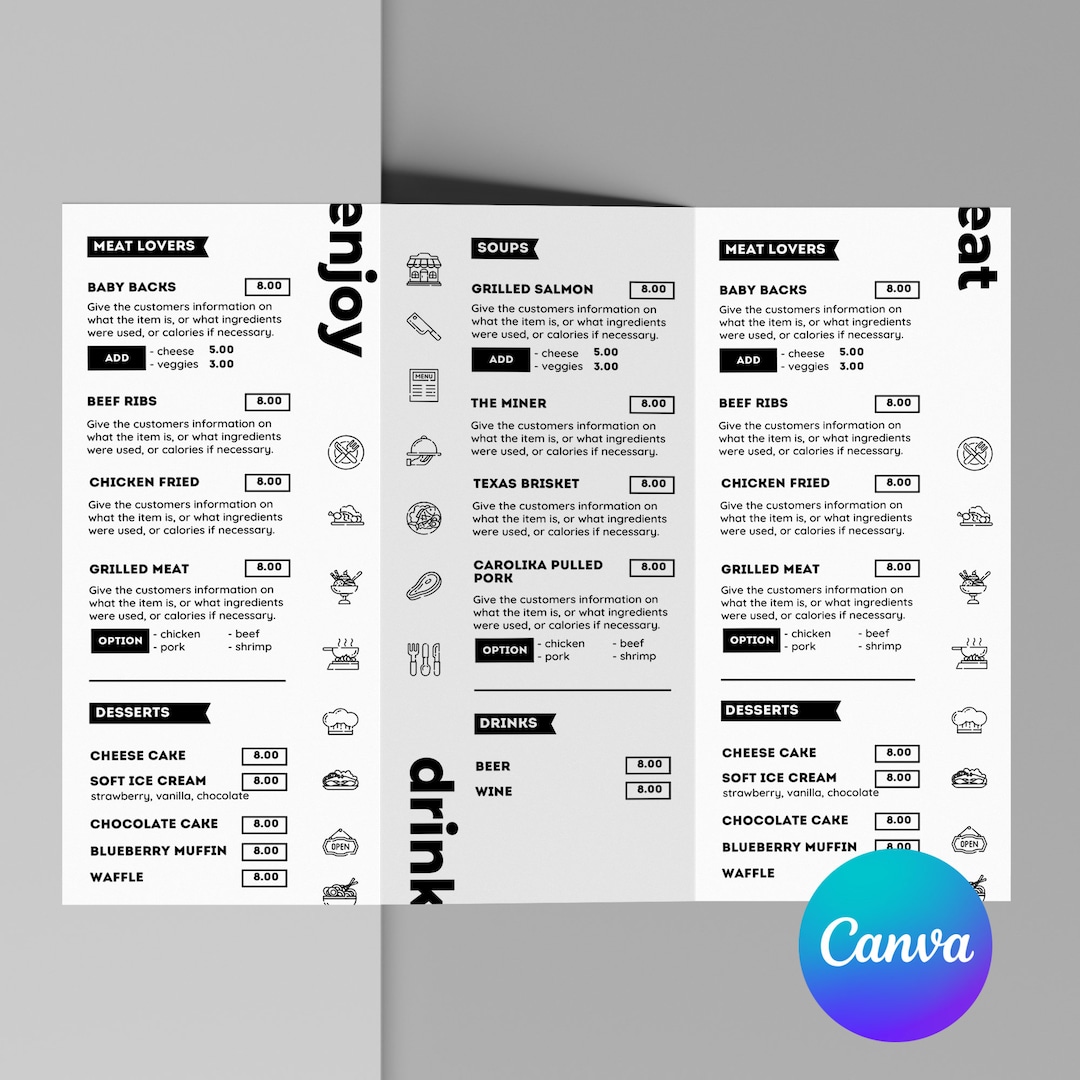
Implementing a well-designed menu template offers a multitude of advantages. Firstly, it significantly improves operational efficiency. By standardizing menu items and descriptions, staff can quickly access the information they need, reducing errors and streamlining service. Secondly, a template enhances customer experience. Clear, concise descriptions and easy-to-read layouts encourage customers to make informed choices and foster a more enjoyable dining experience. Thirdly, a template promotes consistency across all locations, ensuring a cohesive brand image. This is particularly important for restaurants with multiple branches. Finally, a template can be a powerful marketing tool, allowing you to easily showcase your menu on your website and social media channels. A professionally designed template can significantly contribute to your restaurant's overall success.

Types of Menu Templates: Catering to Diverse Restaurant Needs
There's no one-size-fits-all menu template. Different restaurant types and business models require tailored approaches. Here are a few common types:
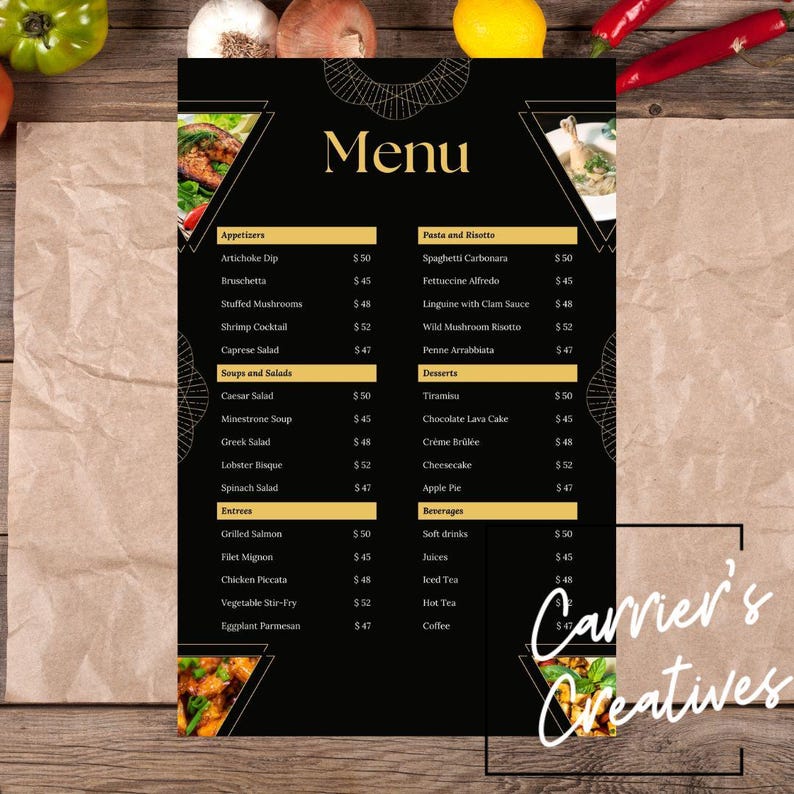
- Traditional Menu: This is the classic format, featuring a standard layout with sections for appetizers, entrees, desserts, and drinks. It's a solid foundation for many restaurants.
- Interactive Menu: This format utilizes digital tools, often incorporating QR codes that link to detailed descriptions, images, and even videos. It's ideal for restaurants with a strong online presence and a desire to engage customers.
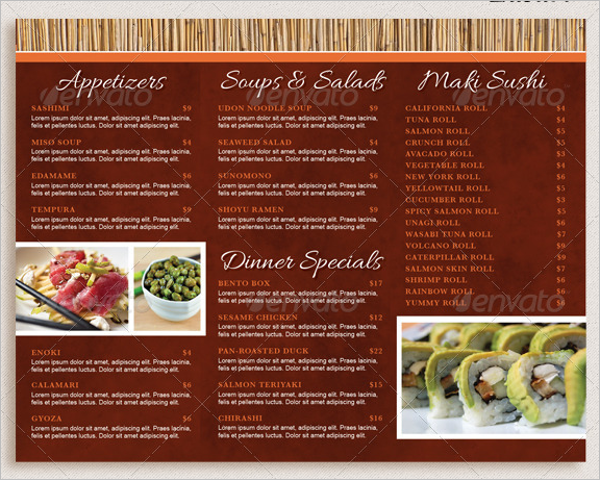
- Themed Menu: For restaurants with a specific culinary focus (e.g., Italian, Mexican, Seafood), a themed menu template can be highly effective. It allows you to highlight the unique characteristics of your cuisine.
- Hybrid Templates: Many restaurants combine elements of different formats to create a customized solution. For example, a traditional menu might include a digital component alongside a printed version.
Key Sections of a Restaurant Menu Template
Regardless of the specific type, a well-structured menu template typically includes the following sections:
Appetizers
- Description: A brief and enticing description of each appetizer.
- Price: Clearly displayed price.
- Image (Optional): A high-quality image to visually represent the appetizer.
- Dietary Information: Indicate if the appetizer is vegetarian, vegan, gluten-free, or contains common allergens.
Entrees
- Description: A detailed description of the entree, highlighting key ingredients and flavors.
- Price: Clearly displayed price.
- Image (Optional): A visually appealing image of the entree.
- Ingredients List: A comprehensive list of ingredients.
- Allergen Information: Clearly state any potential allergens.
Sides
- Description: Brief description of each side dish.
- Price: Clearly displayed price.
- Image (Optional): A picture of the side dish.
Desserts
- Description: A description of the dessert offering.
- Price: Clearly displayed price.
- Image (Optional): A tempting image of the dessert.
Beverages
- Description: A list of available beverages, including alcoholic and non-alcoholic options.
- Price: Clearly displayed price.
- Image (Optional): A picture of a popular beverage.
Specials (Optional)
- Description: A section for highlighting daily or weekly specials.
Design Considerations for a Successful Menu Template
The visual appeal of your menu template is just as important as its functionality. Here are some key design considerations:
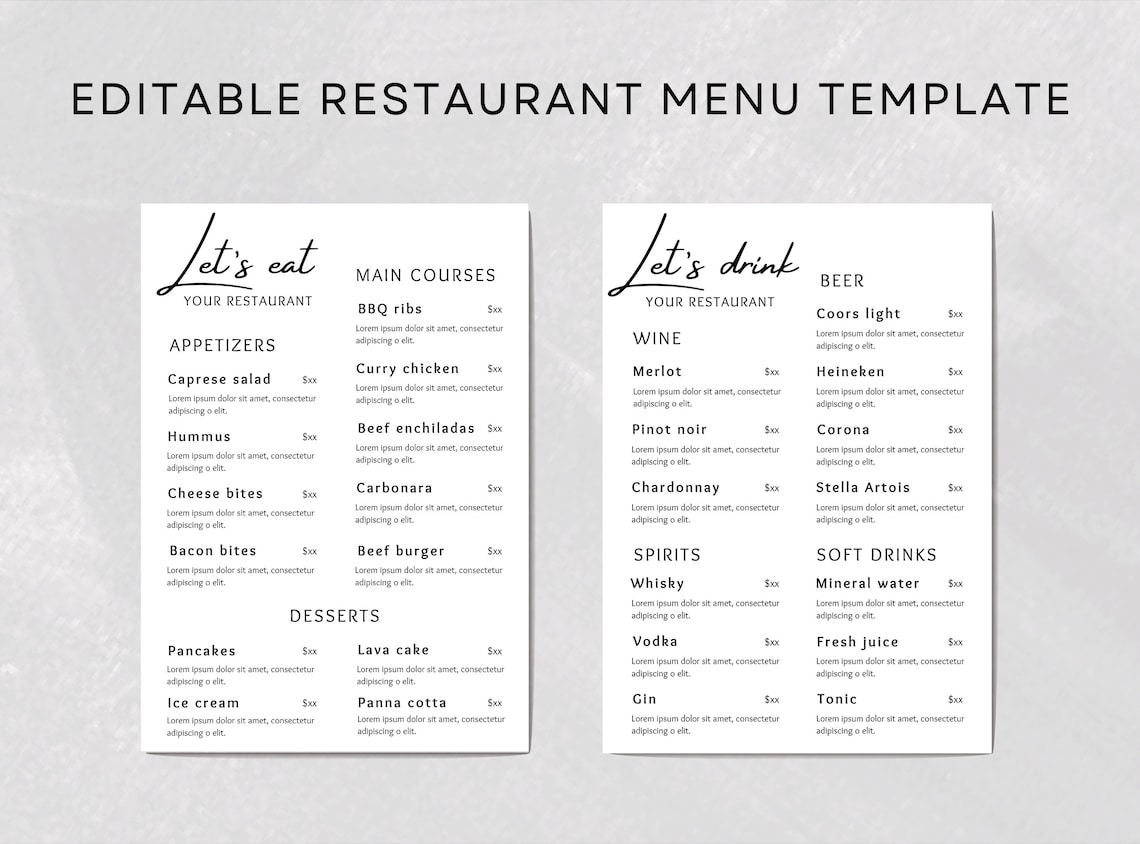
- Color Palette: Choose a color palette that aligns with your restaurant's brand and creates a cohesive look.
- Typography: Select fonts that are easy to read and complement the overall design.
- Whitespace: Utilize whitespace effectively to create a clean and uncluttered layout.
- Imagery: High-quality images are essential for showcasing your food and creating a positive impression.
- Mobile Responsiveness: Ensure your template is easily adaptable to different screen sizes (tablets, smartphones).
Maintaining and Updating Your Menu Template
A menu template is not a static document. It needs to be regularly updated to reflect changes in your menu, seasonal offerings, and promotions. Establish a process for updating the template, including clear guidelines for changes and approvals. Consider using a digital menu management system to streamline this process. Regularly review your template to ensure it's still effective and aligns with your restaurant's goals.
The Role of Digital Menu Platforms
Many restaurants are now utilizing digital menu platforms to manage their menus. These platforms offer a range of features, including online ordering, table management, and customer loyalty programs. Choosing the right platform can significantly enhance the customer experience and streamline operations. Popular options include Toast, Square, and MenuHero.
Conclusion: Investing in a Robust Menu Template
Creating and maintaining a well-designed menu template is a strategic investment that can yield significant returns for restaurants. By carefully considering your restaurant's unique needs and implementing best practices, you can create a template that enhances customer experience, boosts efficiency, and ultimately drives profitability. Remember, a thoughtfully crafted menu template is more than just a pretty design; it's a powerful tool for success. Take Out Menu Template is a vital component of a successful restaurant operation. By prioritizing a strategic and well-executed menu design, restaurants can confidently attract and retain customers, solidifying their position in the competitive hospitality landscape. Focusing on clear descriptions, appealing visuals, and easy navigation will ensure your menu is a key driver of success.
0 Response to "Take Out Menu Template"
Posting Komentar