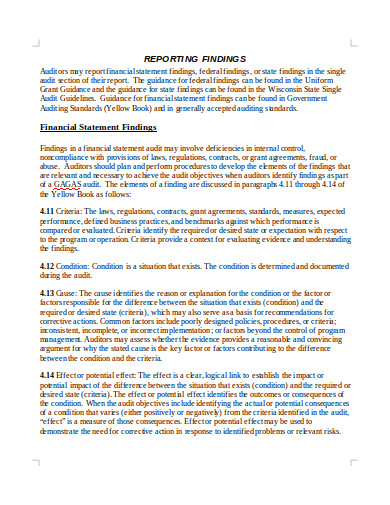
The world of business is constantly evolving, and staying ahead requires a rigorous and systematic approach to understanding your operations. One of the most crucial tools in this process is the Audit Findings Report Template. This document provides a standardized framework for collecting, analyzing, and presenting the results of your internal audits, ensuring accountability, identifying areas for improvement, and ultimately driving positive change. It's more than just a report; it's a roadmap for optimization. Audit Findings Report Template is designed to streamline the process, making it easier to identify key risks, opportunities, and areas where your organization can excel. This template offers a flexible structure, allowing you to tailor it to your specific needs and industry. Whether you're a small business or a large enterprise, a well-crafted Audit Findings Report Template can significantly enhance your operational efficiency and strategic decision-making. It's an investment in your future success.
The benefits of implementing a robust Audit Findings Report Template are numerous. Firstly, it promotes consistent data collection. By establishing a standardized format, you ensure that all relevant information is gathered consistently across different audits, reducing the risk of inconsistent or incomplete data. Secondly, it facilitates effective analysis. The template's structure encourages a systematic approach to identifying trends, root causes, and potential impacts. Thirdly, it enhances communication. A clear and concise report allows stakeholders to quickly understand the key findings and their implications, fostering collaboration and alignment. Finally, it provides a valuable foundation for actionable recommendations. Instead of simply identifying problems, the report highlights specific steps that can be taken to address them, driving tangible improvements. A properly executed Audit Findings Report Template is a powerful tool for organizational growth and sustained success.
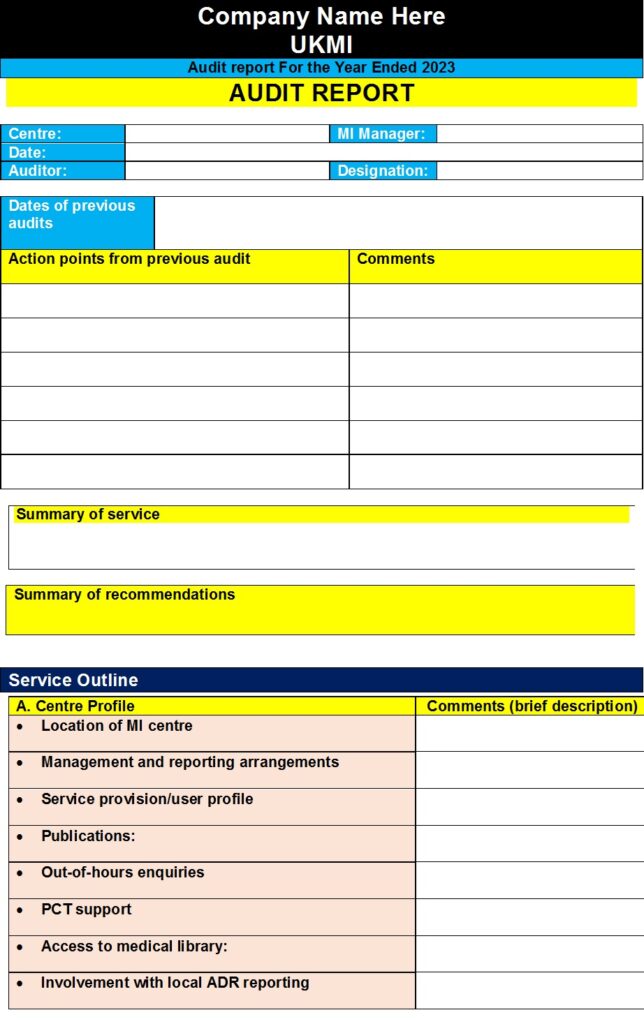
Section 1: Introduction – The Foundation of Improvement
The initial stages of any successful audit are often the most critical. A poorly executed audit can be a costly and time-consuming exercise, potentially leading to missed opportunities and wasted resources. The core of a robust audit is the creation of a comprehensive Report, and the Audit Findings Report Template serves as the cornerstone of this process. It's not a one-size-fits-all solution; rather, it's a flexible framework that can be adapted to suit the unique needs of your organization. The purpose of this document is to provide a detailed guide to constructing and utilizing this template effectively. We'll explore each section, outlining best practices and providing examples to illustrate how to apply the template to various audit scenarios. Understanding the importance of a well-structured report is paramount to achieving meaningful results. Without a clear and organized approach, the audit process can become chaotic and unproductive. The template's strength lies in its simplicity, allowing for quick and efficient data capture.
The initial focus of this report should be on establishing a clear understanding of the audit's objectives. What specific business processes, systems, or departments are being assessed? Defining these objectives upfront will significantly influence the content and scope of the report. Furthermore, it's crucial to identify the key stakeholders who will be involved in the audit process. These stakeholders will have different perspectives and priorities, and it's important to ensure that everyone is aligned on the goals and scope of the audit. A preliminary stakeholder list will help to manage expectations and facilitate communication throughout the project. The template's structure is designed to accommodate a wide range of audit objectives, from compliance audits to operational efficiency reviews. It's a starting point, not a rigid blueprint.
Section 2: Key Areas of Coverage – A Structured Approach
The Audit Findings Report Template is built around several key areas, each designed to elicit specific information and provide a detailed analysis. Let's examine these areas in more detail:
2.1 Process Review – Identifying Bottlenecks
This section focuses on examining the flow of work and identifying areas where processes can be streamlined or improved. It's a critical area for identifying inefficiencies and potential risks. The template encourages a step-by-step review of each process, documenting each step, identifying potential bottlenecks, and assessing the impact of those bottlenecks. Consider using a flow chart to visually represent the process and highlight areas of concern. For example, in a manufacturing process, you might document the sequence of operations, the materials involved, and the time taken for each step. The template prompts you to ask "Why?" repeatedly to uncover the root causes of inefficiencies. This section is particularly useful for identifying redundant steps, unnecessary delays, and areas where automation could be implemented.
2.2 Compliance & Regulatory Review – Ensuring Adherence
This section is dedicated to assessing compliance with relevant laws, regulations, and internal policies. It's vital to demonstrate that the organization is operating within the bounds of the law and maintaining a high level of ethical conduct. The template includes prompts for documenting policies, procedures, and training records. It also requires assessing the effectiveness of controls and identifying any gaps in compliance. For example, in a financial institution, this section might involve reviewing KYC (Know Your Customer) procedures, AML (Anti-Money Laundering) compliance, and data security protocols. The template encourages the use of checklists and standardized forms to ensure thoroughness. Failure to adequately address compliance issues can result in significant penalties and reputational damage.
2.3 System Performance – Evaluating Technology & Infrastructure
This section examines the performance of key systems and infrastructure, including hardware, software, and network connectivity. It's essential to ensure that systems are operating efficiently and reliably. The template prompts for documenting system performance metrics, identifying any issues, and assessing the impact of those issues. For example, in a retail chain, this might involve reviewing inventory management systems, point-of-sale (POS) systems, and customer relationship management (CRM) systems. The template encourages the use of data visualization tools to present performance data in a clear and concise manner. Regular monitoring and proactive maintenance are crucial for maintaining optimal system performance.
2.4 Security & Risk Assessment – Protecting Assets
This section focuses on identifying and assessing security risks and vulnerabilities. It's a critical area for protecting the organization's assets, including data, systems, and intellectual property. The template prompts for documenting security policies, procedures, and incident response plans. It also requires assessing the effectiveness of security controls and identifying any gaps. For example, in a healthcare organization, this section might involve reviewing access controls, data encryption, and cybersecurity awareness training. Regular security audits and vulnerability assessments are essential for maintaining a strong security posture.
Section 3: Data Collection & Analysis – Unlocking Insights
The effectiveness of the Audit Findings Report Template hinges on the quality of the data collected. The template provides a structured framework for gathering information, but it's important to remember that the data itself is only as good as the process used to collect it. Therefore, it's crucial to ensure that data collection is accurate, consistent, and timely. The template encourages the use of standardized forms and checklists to minimize errors and ensure completeness. Furthermore, it prompts for documenting the rationale behind decisions and actions. Simply collecting data is not enough; it's important to analyze the data to identify trends, root causes, and potential impacts. This requires the use of data visualization tools and statistical analysis techniques. The template facilitates the creation of clear and concise reports that can be easily understood by stakeholders.
Section 4: Report Creation & Presentation – Communicating the Findings
Once the data has been collected and analyzed, it's time to create the final report. The Audit Findings Report Template provides a clear and concise framework for presenting the findings. The report should be structured logically, with clear headings and subheadings. It should include a summary of the key findings, followed by a detailed analysis of each finding. Visual aids, such as charts and graphs, can be used to illustrate key trends and patterns. The template encourages the use of a consistent format for all reports, ensuring that they are easily readable and understandable. It's important to tailor the report to the specific audience. For example, a report for senior management will require a more high-level overview than a report for operational staff. The template allows for customization to meet the specific needs of each audience.
Section 5: Conclusion – Driving Continuous Improvement
In conclusion, the Audit Findings Report Template is a powerful tool for driving continuous improvement within an organization. By providing a standardized framework for collecting, analyzing, and presenting audit findings, it facilitates accountability, identifies areas for optimization, and ultimately contributes to improved operational efficiency and strategic decision-making. The template's flexibility allows it to be adapted to a wide range of audit scenarios, ensuring that it remains relevant and effective over time. The key to maximizing the benefits of the template lies in consistent application, thorough data collection, and a commitment to continuous improvement. Ultimately, the goal is not just to identify problems, but to proactively address them and create a more resilient and successful organization. Investing in a well-designed and utilized template is an investment in the future of your business.
Conclusion
The Audit Findings Report Template is more than just a document; it's a strategic asset. Its ability to streamline processes, facilitate analysis, and promote accountability makes it an indispensable tool for any organization seeking to improve its performance. By consistently utilizing this template and adapting it to your specific needs, you can unlock valuable insights, identify opportunities for optimization, and drive sustainable success. The template's simplicity and flexibility ensure that it remains a valuable resource for years to come. Remember, the true value of the template lies not just in its structure, but in the commitment to its effective implementation and continuous refinement. Continuous monitoring and adaptation are key to maximizing its impact. Don't treat it as a static document; view it as a living, breathing tool that evolves alongside your organization's needs.
0 Response to "Audit Findings Report Template"
Posting Komentar