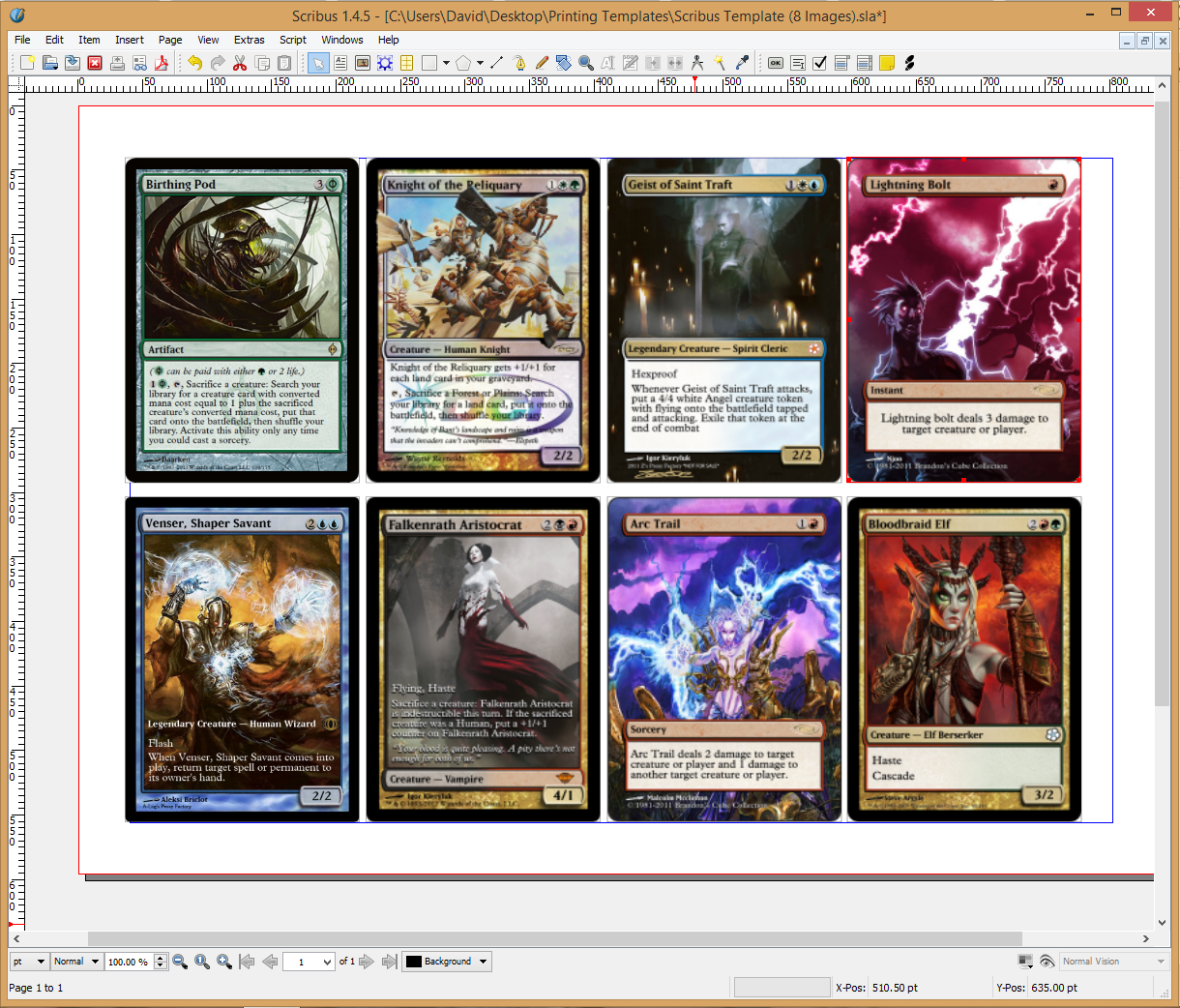
Creating compelling cards is the heart of Magic: The Gathering. Whether you're a seasoned veteran or just starting out, designing effective cards is a crucial skill. A well-crafted card template can dramatically increase your chances of success in the game. This guide will delve into the essential elements of creating a strong Magic The Gathering Card Template, covering everything from basic structure to advanced design techniques. Understanding how to build a template effectively is a significant step towards mastering the game. The core of a good card template lies in its ability to convey information clearly, strategically position abilities, and ultimately, influence the outcome of combat. Let's explore how to build a template that truly shines.
The foundation of any effective Magic The Gathering Card Template rests on a solid understanding of the game's core mechanics. You need to consider how your card will interact with other cards, how it will affect the game state, and how it will ultimately contribute to your strategy. A template that's too complex or lacks clarity will be difficult to use effectively. It's about creating a balance between detail and readability. Think about what information is essential for your deck and what can be streamlined for efficiency. A template that's too verbose will be overwhelming, while one that's too sparse will limit its impact.

The Essential Components of a Magic The Gathering Card Template
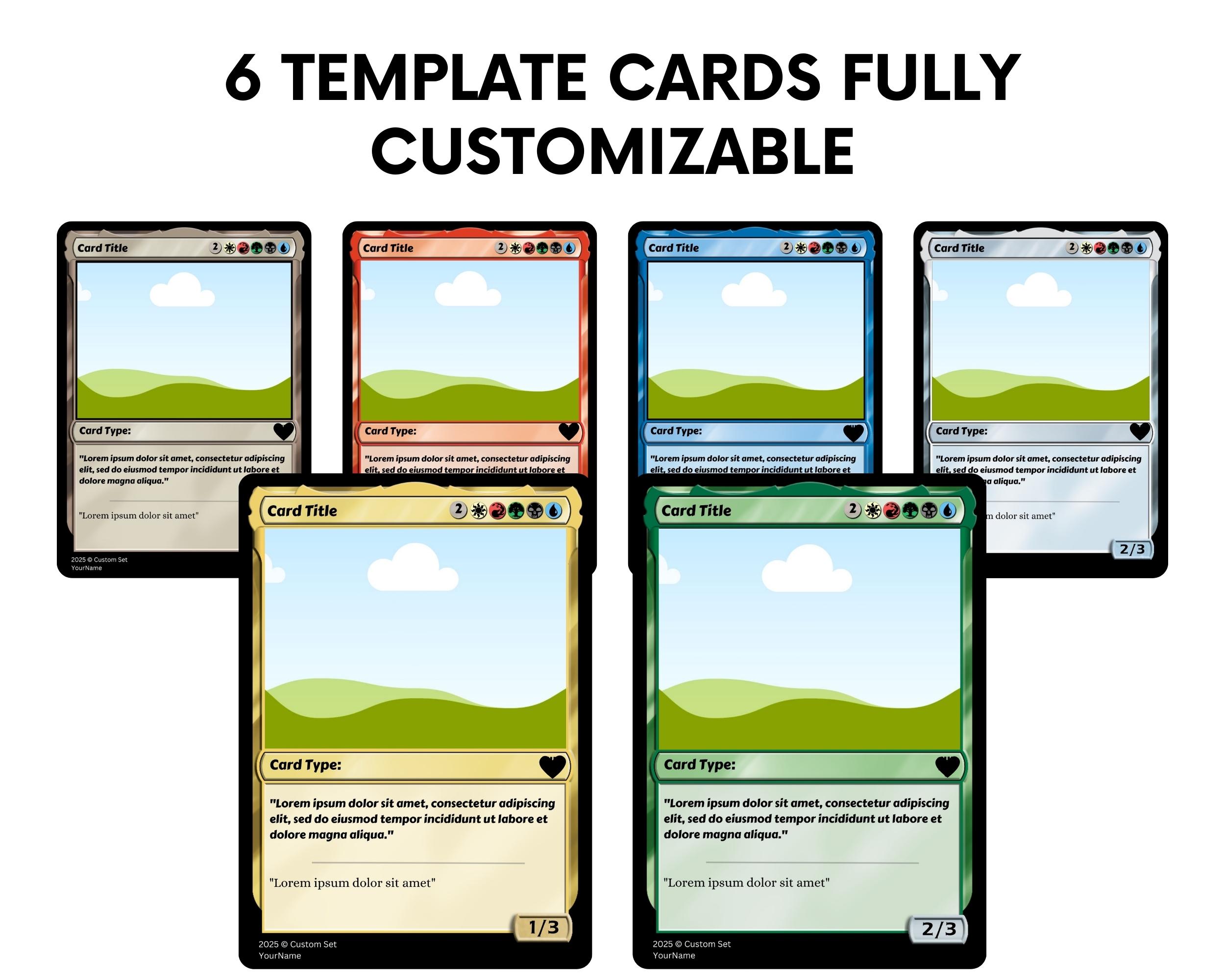
A truly great card template typically includes several key elements. These elements aren't necessarily rigid rules, but rather guidelines that help you structure your card effectively. Firstly, you need a clear Mana Cost – this is the most fundamental element. It dictates how much mana you need to play the card, and it's a critical factor in determining its power and utility. A common range is 2-4 mana, but this can vary depending on the card's abilities and the overall strategy of your deck. Next, you'll need to include a Card Type – this categorizes the card's function (e.g., Creature, Instant, Sorcery, Enchantment, Artifact, Land). Choosing the right card type is vital for understanding how the card interacts with other cards in the game. Finally, a Flavor Text is a short, evocative description that adds personality and context to the card. This is a fantastic way to add a layer of storytelling and make your cards more memorable.

Building a Template: A Step-by-Step Approach
Let's look at how to build a template, breaking it down into manageable steps. Remember, this is a flexible process – tailor it to your specific needs and the type of card you're designing.
Define the Card's Purpose: Before you even start sketching, ask yourself why you're creating this card. What role will it play in your deck? Will it be a powerful attacker, a resilient blocker, or a disruptive control card? A clear purpose will guide your design choices.
Mana Cost Calculation: Determine the appropriate mana cost. Consider the card's power level and the overall strategy of your deck. A higher mana cost generally indicates a more powerful card, but it also requires more careful planning. Don't be afraid to experiment with different mana costs to find the sweet spot.

Card Type Selection: Choose the card type that best suits the card's function. Creatures are typically powerful attackers, instants are quick effects, sorceries are powerful spells, enchantments provide ongoing benefits, artifacts are persistent effects, and lands are the foundation of your mana base.

Flavor Text Placement: Strategically place the flavor text. It should be concise and impactful, adding a layer of narrative to the card. Consider using it to highlight a key ability or to evoke a specific feeling. Don't overcrowd the card with text; keep it focused and relevant.
Ability Description: This is where you detail the card's effects. Be specific and clear about what the card does. Use action words to describe the card's actions. For example, instead of saying "It deals damage," say "It deals 3 damage to target creature."
Synergies: Consider how the card interacts with other cards in your deck. Does it complement existing cards? Does it create interesting combinations? Think about how the card can be used in conjunction with other cards to achieve a greater effect.
Visual Design: While not strictly part of the template itself, consider how the card will look on the battlefield. A well-designed card is visually appealing and easy to understand. Use color, shape, and imagery to convey information and create a memorable impression.
Example Template Structure
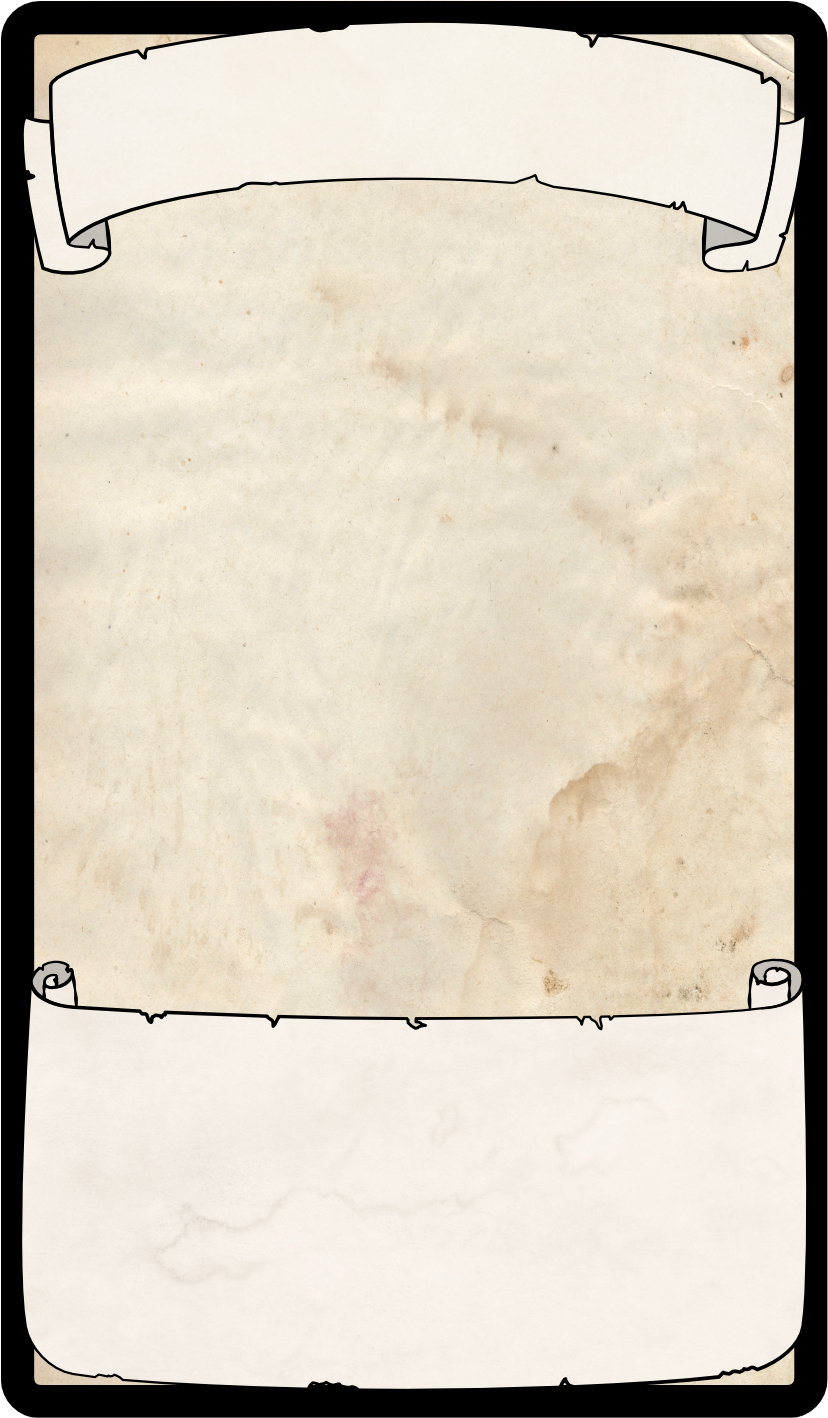
Here's a simplified example of a card template structure:
- Card Type: Creature
- Mana Cost: 2
- Flavor Text: "A flicker of defiance against the encroaching darkness."
- Ability: "When this card enters the battlefield, you may pay 1 life. If you do, exile this card."
- Effect: "When this card attacks, you may pay 1 life. If you do, you deal 1 damage to target creature."
The Importance of Iteration
Creating a truly effective card template is an iterative process. Don't be afraid to experiment with different designs, revise your templates, and refine them based on your own experiences. Playtest your cards extensively to see how they perform in actual games. Pay attention to what works and what doesn't, and use that feedback to improve your templates. Remember, the best card templates are those that are both functional and aesthetically pleasing.
Conclusion
Designing a strong Magic The Gathering Card Template is a fundamental skill for any serious player. By understanding the core elements of a template – mana cost, card type, flavor text, and ability description – and following a structured approach, you can create cards that are both powerful and engaging. The key is to balance detail with clarity, and to continually refine your designs based on your own experiences and the needs of your deck. Mastering this skill will significantly enhance your enjoyment and success in Magic: The Gathering. Investing time in learning and practicing these techniques will undoubtedly pay dividends in the long run. Ultimately, a well-crafted card template is a powerful tool for shaping the game and achieving your strategic goals.
Conclusion
The creation of a robust Magic The Gathering Card Template is a multifaceted endeavor, demanding a careful consideration of both strategic depth and aesthetic appeal. By adhering to the principles outlined in this guide – encompassing a clear understanding of the game's mechanics, meticulous attention to detail, and a commitment to iterative refinement – players can unlock the potential to craft cards that not only function effectively but also contribute to a truly memorable and rewarding experience within the world of Magic: The Gathering. Continued practice and experimentation are essential for honing this skill and maximizing its impact on gameplay.
0 Response to "Magic The Gathering Card Template"
Posting Komentar