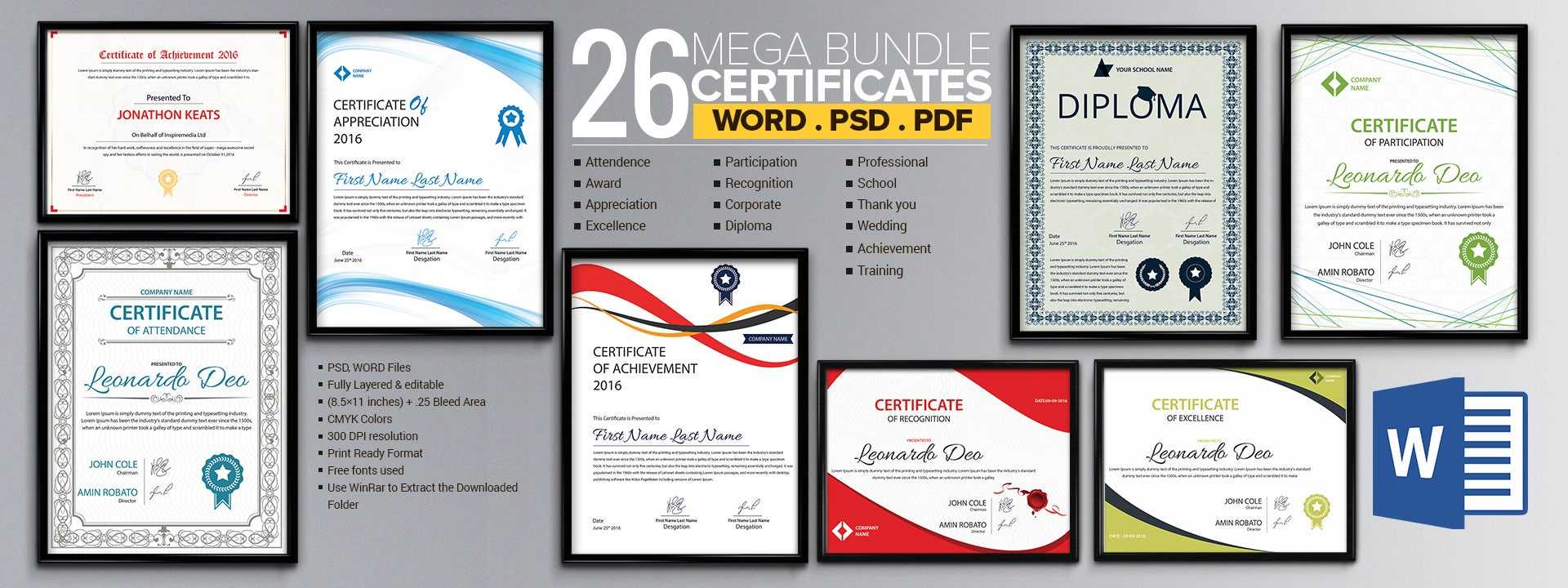
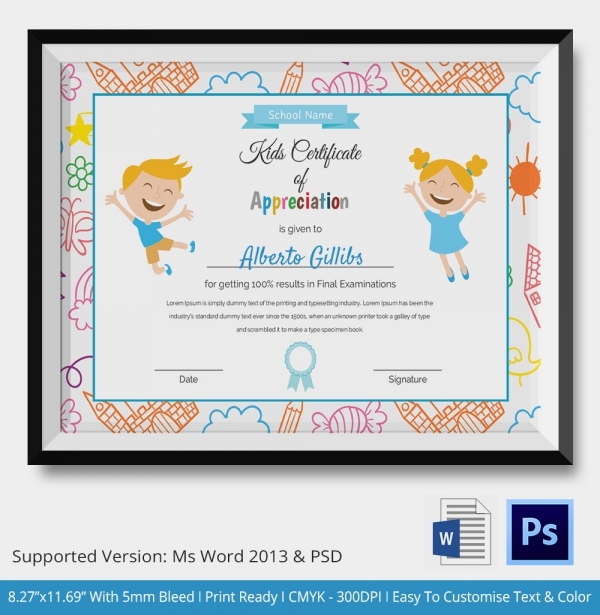
The world of digital certificates has undergone a significant transformation in recent years, largely driven by the introduction of Word 2013. This software, widely adopted by organizations and individuals alike, has revolutionized the process of issuing and managing digital credentials. Understanding how to utilize Word 2013 effectively is crucial for anyone involved in creating, distributing, or verifying digital certificates. This article will delve into the features of Word 2013, explore its benefits, and provide a practical guide to leveraging its capabilities. Word 2013 Certificate Template is a cornerstone of modern digital identity management, offering a streamlined and secure way to represent credentials. Let's explore what makes this software so valuable.
The evolution of digital certificates has been marked by increasing complexity and stringent security requirements. Traditional methods often involved manual processes and relied on outdated software, making them prone to errors and vulnerabilities. Word 2013 addresses these challenges by providing a centralized platform for managing all aspects of certificate lifecycle – from creation and issuance to renewal and revocation. Its user-friendly interface and robust features significantly reduce the risk of errors and streamline workflows. The adoption of Word 2013 is not simply a technological upgrade; it represents a fundamental shift towards a more secure and efficient digital identity ecosystem.

Understanding the Core Features of Word 2013
At the heart of Word 2013 lies its ability to create and manage various types of digital certificates. The software offers a comprehensive suite of tools designed to meet the diverse needs of certificate issuers and recipients. Key features include:
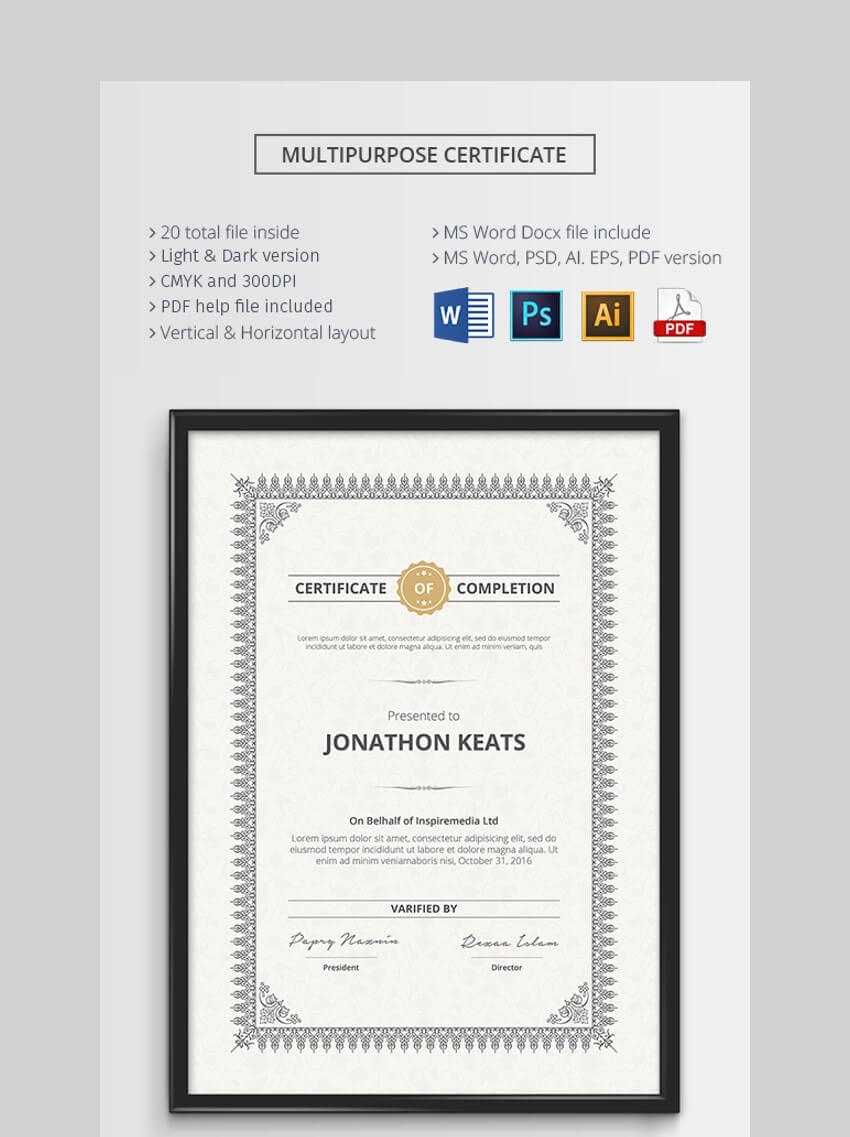
- Certificate Creation: Word 2013 allows users to easily create certificates using a drag-and-drop interface. This simplifies the process, reducing the need for complex technical expertise. The software provides pre-defined templates for common certificate types, such as digital IDs, employee badges, and membership certificates.
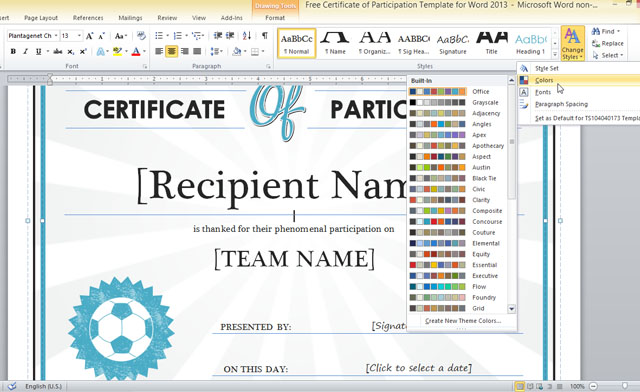
- Certificate Templates: A vast library of pre-built certificate templates caters to a wide range of industries and applications. These templates are customizable to meet specific requirements, ensuring consistency and compliance. The ability to modify existing templates is a significant advantage for organizations seeking to maintain a standardized approach.
- Certificate Management: Word 2013 provides a centralized dashboard for managing all certificates in a single location. Users can easily view certificate details, track their status, and generate reports. This streamlined management system minimizes administrative overhead and improves visibility.
- Digital Signature Integration: The software seamlessly integrates with digital signature tools, allowing for the creation of secure and verifiable digital signatures. This is essential for ensuring the authenticity and integrity of certificates.
- Certificate Revocation: Word 2013 offers a robust certificate revocation process, enabling organizations to quickly and easily remove compromised certificates. This is a critical security feature that protects against fraudulent activity.
The Benefits of Utilizing Word 2013
The adoption of Word 2013 offers a multitude of benefits for organizations and individuals alike. Here’s a breakdown of some key advantages:

- Enhanced Security: Word 2013’s advanced security features, including digital signature integration and certificate revocation, significantly reduce the risk of fraud and unauthorized access. The software’s built-in security protocols ensure that certificates are protected from tampering and forgery.
- Improved Efficiency: The streamlined workflow and centralized management capabilities of Word 2013 reduce administrative overhead and improve operational efficiency. Automated processes minimize manual tasks, freeing up valuable time and resources.
- Reduced Errors: The user-friendly interface and robust validation checks minimize the risk of human error, leading to more accurate and reliable certificate issuance.
- Compliance: Word 2013 helps organizations meet regulatory requirements and industry standards. Its ability to generate and manage certificates in compliance with various frameworks, such as ISO 27001 and PCI DSS, is a significant advantage.
- Scalability: The software is designed to scale with the needs of organizations of all sizes. Word 2013 can handle a growing number of certificates and users without compromising performance.
Specific Use Cases for Word 2013
The versatility of Word 2013 makes it suitable for a diverse range of applications. Here are a few examples:

- Government Agencies: Government agencies utilize Word 2013 to issue digital IDs for citizens and to manage certificates for government contractors.
- Healthcare Providers: Healthcare providers use Word 2013 to issue digital credentials for patients and to manage certificates for healthcare professionals.
- Financial Institutions: Financial institutions use Word 2013 to issue digital certificates for verifying the identity of customers and for managing certificates for transactions.
- Education Institutions: Educational institutions use Word 2013 to issue digital credentials for students and faculty.
- IT Service Providers: IT service providers use Word 2013 to issue certificates for remote access and to manage certificates for cloud services.
Best Practices for Utilizing Word 2013
To maximize the benefits of Word 2013, it’s important to follow best practices:
- Regularly Update Software: Keep Word 2013 up to date with the latest security patches and updates. Outdated software is vulnerable to known exploits.
- Follow Security Guidelines: Adhere to established security guidelines and best practices when creating and managing certificates.
- Implement Strong Authentication: Use strong authentication methods to protect the certificate lifecycle.
- Train Users: Provide adequate training to users on how to use Word 2013 effectively.
- Maintain Audit Trails: Enable audit trails to track all certificate-related activities.
The Future of Certificate Management with Word 2013
The evolution of digital certificates continues to accelerate. Future trends include the increasing use of blockchain technology for certificate issuance and verification, and the development of more sophisticated certificate management platforms. Word 2013 is well-positioned to remain a leading solution for certificate management in the years to come. The continued integration of advanced features, such as automated certificate renewal and blockchain-based verification, will further enhance its value proposition.
Conclusion
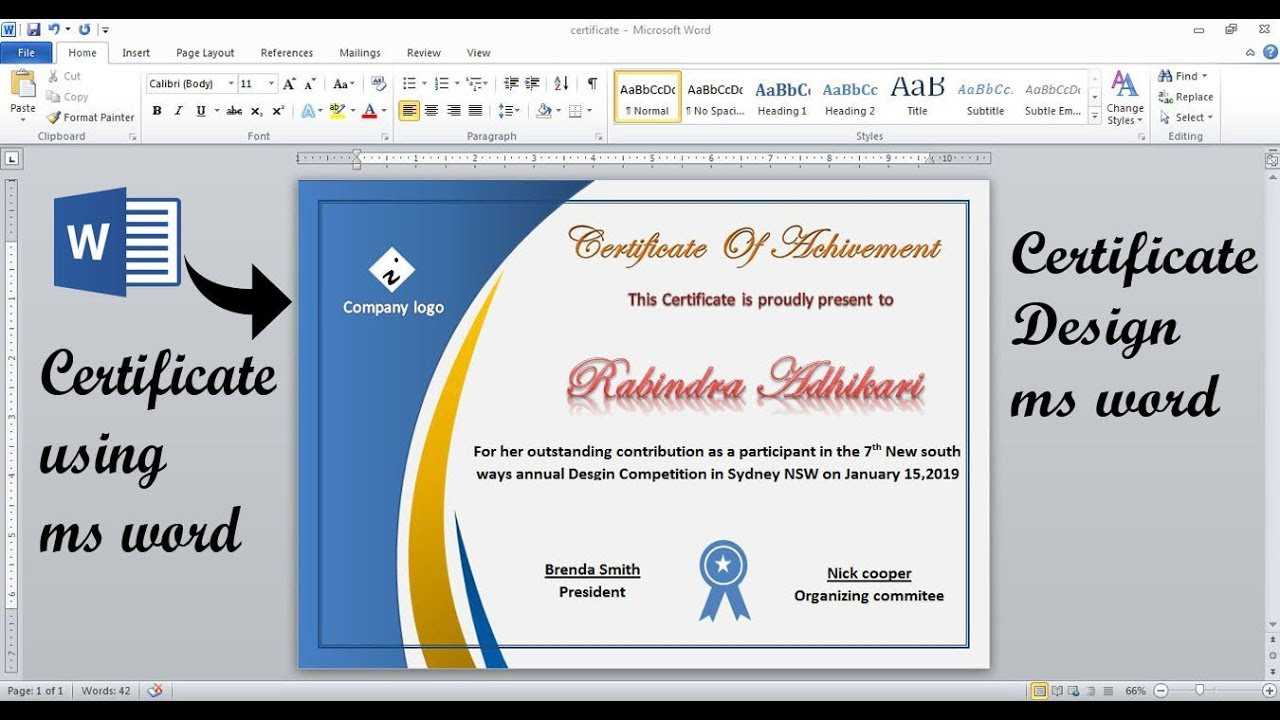
Word 2013 Certificate Template represents a significant advancement in digital identity management. Its comprehensive features, user-friendly interface, and robust security capabilities make it an indispensable tool for organizations and individuals alike. By understanding the core benefits and following best practices, users can leverage Word 2013 to streamline their certificate workflows, enhance security, and improve efficiency. The ongoing evolution of the software ensures that it will remain a vital component of the digital landscape for years to come. The core focus remains on providing a secure and reliable platform for managing digital credentials, solidifying Word 2013’s position as a leader in the field.
0 Response to "Word 2013 Certificate Template"
Posting Komentar