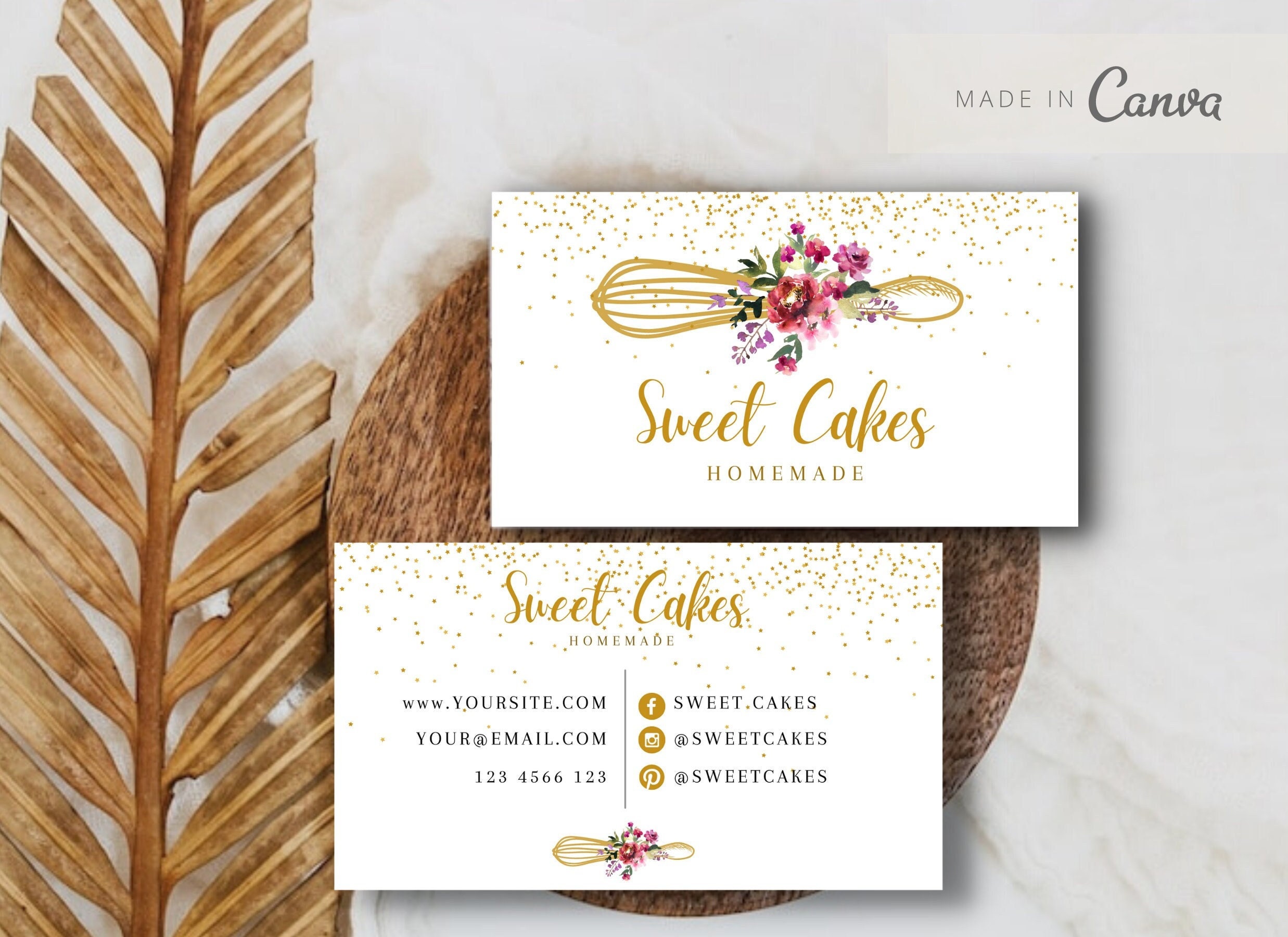
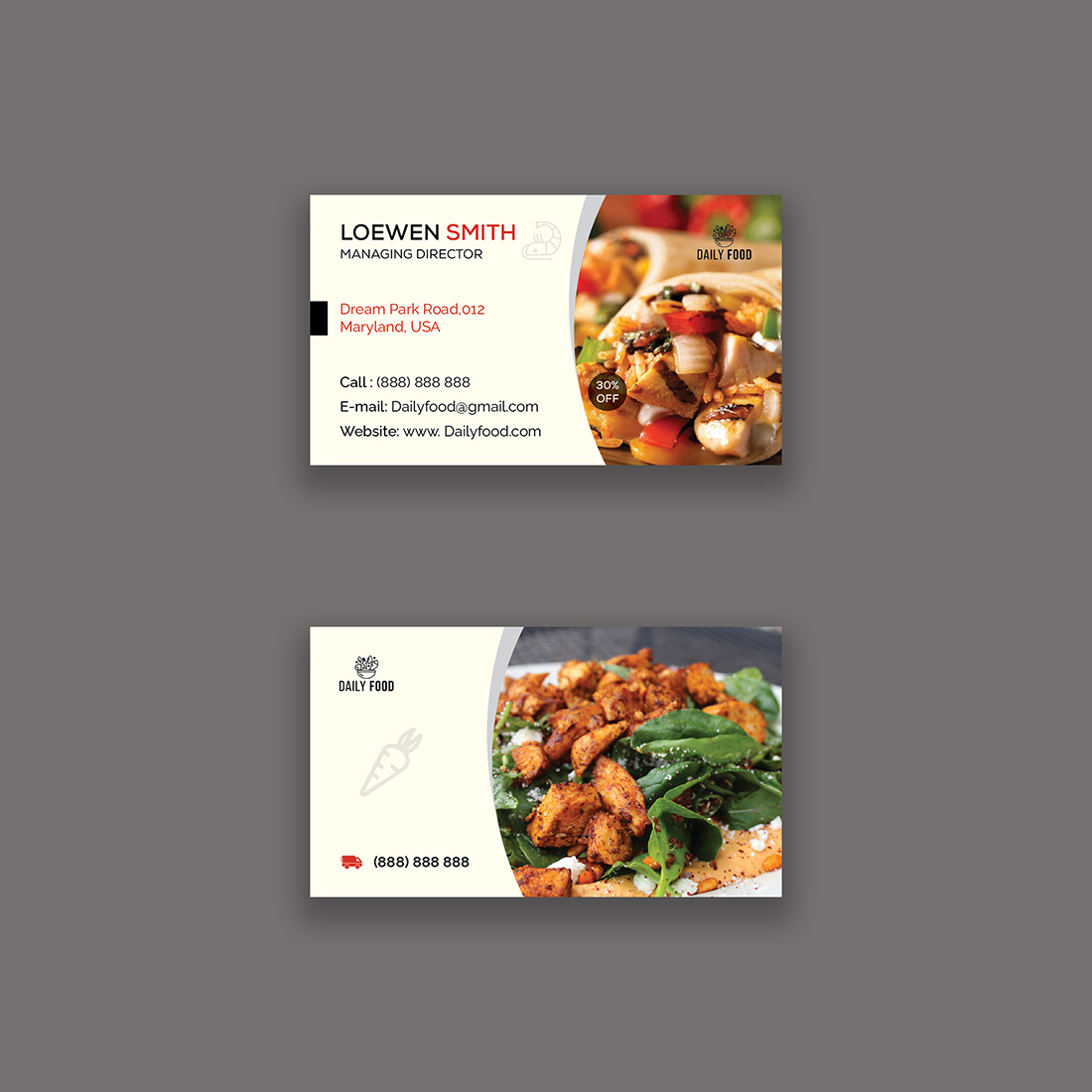
Creating a professional and memorable first impression is crucial for any food business. Your food business cards are often the first point of contact with potential customers, and they need to reflect your brand’s personality and offerings. Fortunately, you don’t need to spend a fortune to create high-quality business cards. Fortunately, there are numerous Food Business Cards Templates Free available online, making it easier than ever to design and print professional-looking cards. This guide will explore the best options and provide you with the knowledge to create effective marketing materials that will attract new customers and boost your business. Let’s dive into the world of free templates and discover how to make your food business shine.
Why Food Business Cards Matter
In the competitive food industry, a well-designed business card is more than just a piece of paper; it’s a visual representation of your brand. It’s a tangible way to communicate your restaurant’s style, your menu, and what makes you unique. Consumers often use business cards to remember your business, and a visually appealing card can significantly increase your chances of getting a repeat customer. Furthermore, in today’s digital age, a physical card can be a powerful tool for offline marketing, especially when combined with social media and email campaigns. Investing in quality business cards demonstrates professionalism and attention to detail, building trust and credibility with potential clients and customers alike. The right card can be a significant differentiator in a crowded market.

Finding the Right Free Food Business Cards Templates
The abundance of Food Business Cards Templates Free online is a fantastic opportunity. However, it’s important to carefully evaluate the quality and suitability of each template. Several reputable sources offer a wide range of options, catering to different design styles and needs. Some popular choices include:

- Canva: Canva is a user-friendly online design platform that boasts a vast library of free templates. You can easily customize these templates to match your brand’s colors and fonts. https://www.canva.com/
- Adobe Express: Adobe Express offers a free tier with a selection of business card templates. It’s a good option if you’re already familiar with Adobe’s creative suite. https://www.adobe.com/express/
- Microsoft Word: Microsoft Word offers basic business card templates that are readily available. While not as visually sophisticated as Canva or Adobe Express, they’re a solid starting point. https://www.microsoft.com/en-us/microsoft-365/word/templates
- Google Docs: Similar to Word, Google Docs provides a selection of free business card templates. It’s a convenient option for those already using Google services. https://docs.google.com/
When choosing a template, consider these factors: Ease of use, Design aesthetics, File format compatibility, and Printability. Ensure the template is responsive, meaning it will look good on both desktop and mobile devices.
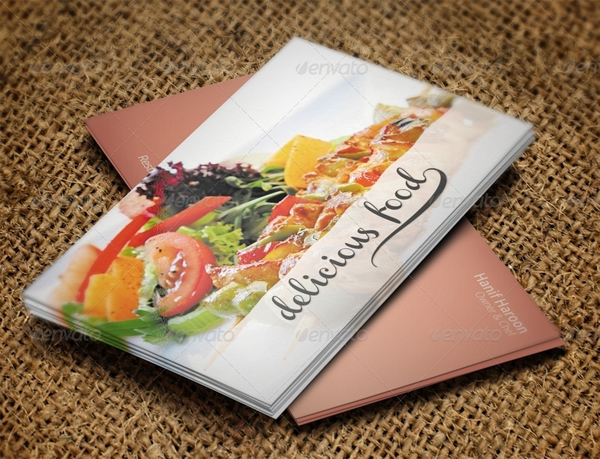
Key Elements to Include in Your Food Business Cards
A well-designed food business card should effectively communicate your brand’s core message. Here’s a breakdown of essential elements to include:
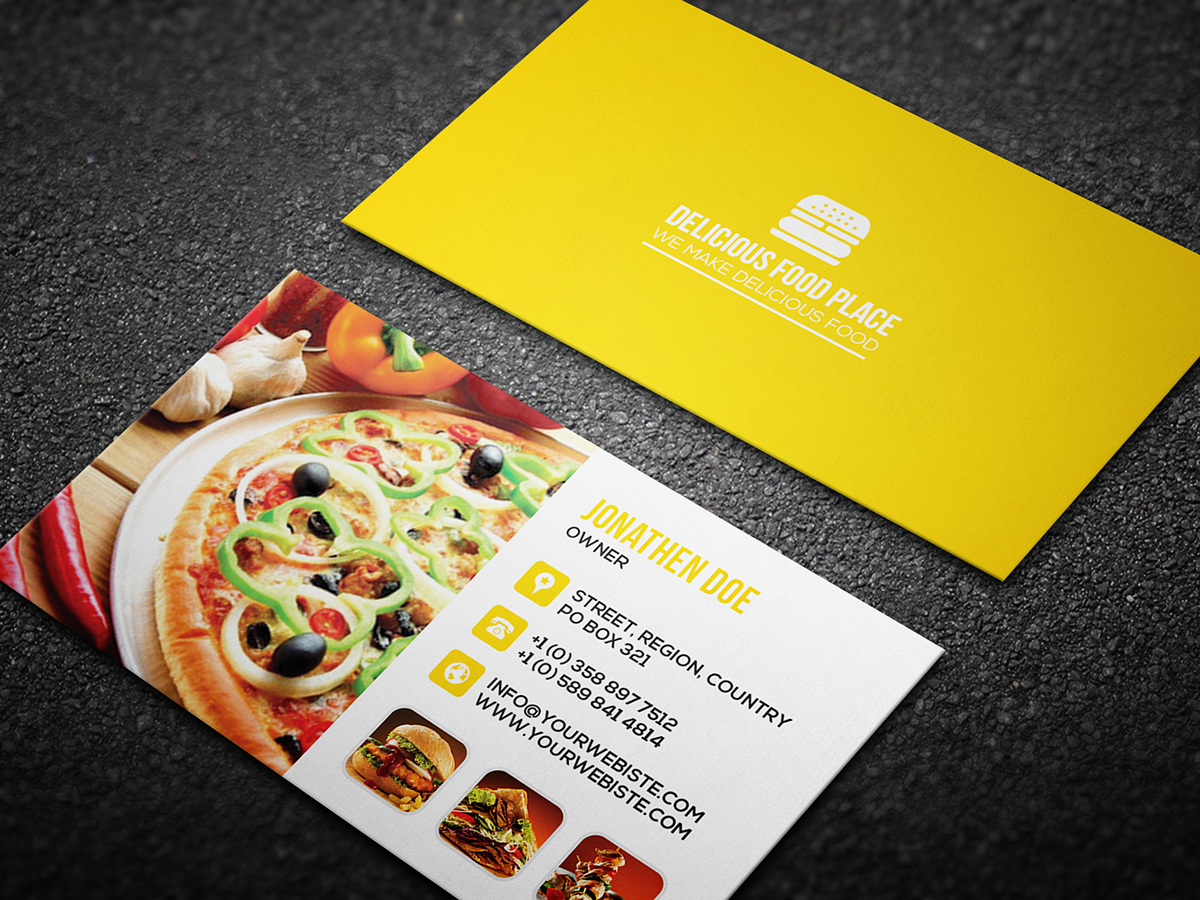
Logo & Branding
Your logo is the cornerstone of your brand identity. Ensure it’s prominently displayed and consistently used across all your marketing materials. A simple, memorable logo will help customers recognize your business quickly.
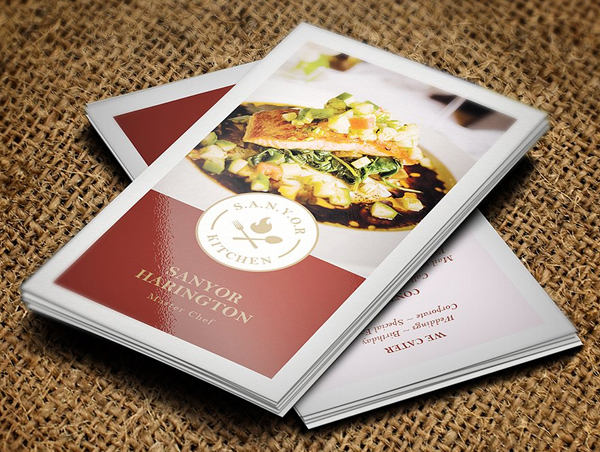
Restaurant Name & Contact Information
Clearly display your restaurant’s name and contact information – phone number, website, and social media handles. Make it easy for potential customers to reach you.
Menu Highlights (Optional)
If you have a particularly enticing menu, consider including a small highlight of your most popular dishes. This can entice customers to visit your restaurant.

Special Offers & Promotions (Optional)
If you’re running any special offers or promotions, you can include a brief mention of them on your card.

Social Media Icons (Optional)
Adding social media icons (Facebook, Instagram, etc.) can encourage customers to connect with you on social media.

A Unique Selling Proposition (USP) – Briefly State It
Consider adding a short phrase that highlights what makes your food business unique. For example, "Freshly made daily" or "Locally sourced ingredients."

Design Tips for Food Business Cards
Creating visually appealing food business cards requires a bit of attention to detail. Here are a few design tips to consider:

- Color Palette: Choose a color palette that reflects your brand’s personality. Warm colors (reds, oranges, yellows) can evoke feelings of warmth and appetite, while cool colors (blues, greens) can convey a sense of freshness and tranquility.
- Typography: Select fonts that are easy to read and complement your brand’s aesthetic. Avoid using too many different fonts.
- Imagery: High-quality images of your food are essential. Consider using professional food photography or sourcing appealing stock photos.
- Whitespace: Don’t overcrowd your card with too much information. Leave plenty of whitespace to create a clean and uncluttered look.
- Consistency: Maintain a consistent design style throughout your card.
Beyond the Basics: Advanced Design Techniques
While basic templates are a great starting point, you can elevate your food business card design with more advanced techniques. Here are a few ideas:

- Gradients: Subtle gradients can add depth and visual interest to your card.
- Textures: Incorporating subtle textures (e.g., a paper texture) can add a tactile element.
- Spot Colors: Using a single, bold spot color can draw attention to key information.
- Microprinting: Adding microprinting (very small text) can improve readability and add a touch of sophistication.
Print & Distribution Considerations
Once you’ve designed your card, you’ll need to consider how you’ll print and distribute it. Food Business Cards Templates Free are generally available in various formats – digital downloads, PDF files, and even printed cards. Consider the cost of printing and the distribution channels you’ll be using. Direct mail, social media promotion, and partnerships with local businesses are all potential options. Ensure your card is easily printable and that the printing quality is sufficient for your needs.

Measuring Success: Tracking Your Card's Impact
After launching your food business cards, it’s important to track their effectiveness. Here are a few metrics you can use to assess their impact:

- Sales: Track any increase in sales following the launch of your cards.
- Website Traffic: Monitor website traffic to see if your cards are driving visitors to your website.
- Social Media Engagement: Track likes, shares, and comments on your social media posts featuring your cards.
- Customer Feedback: Ask customers how they found your business.
By carefully monitoring these metrics, you can determine whether your food business cards are achieving their goals and identify areas for improvement.
Conclusion
Creating Food Business Cards Templates Free is a cost-effective way to establish a strong brand presence and attract new customers. By carefully selecting a template, incorporating essential elements, and employing thoughtful design techniques, you can create marketing materials that effectively communicate your food business’s unique identity. Remember to prioritize clear communication, visually appealing design, and consistent branding. With a little effort, you can transform your food business cards into a powerful tool for growth and success. Investing in quality business cards is an investment in your brand’s future.
0 Response to "Food Business Cards Templates Free"
Posting Komentar