
In the highly structured and demanding environment of the military, recognition plays a crucial role in fostering morale, reinforcing discipline, and acknowledging the exceptional efforts of service members. A thoughtfully designed Certificate Of Achievement Army Template serves as a tangible representation of this appreciation, formally recognizing outstanding performance, dedicated service, or significant contributions within a unit or specific operation. These certificates are not merely pieces of paper; they are symbols of hard work, commitment, and the pursuit of excellence, inspiring recipients and their peers alike. Understanding how to effectively utilize and customize such a template is essential for leaders and administrators looking to create meaningful and lasting impressions.
The act of presenting an award, even one as seemingly simple as a certificate of achievement, holds profound significance. It validates the individual's sacrifices and accomplishments, confirming that their efforts have been observed and valued by their command. For many, these certificates become cherished mementos, representing milestones in their military career or personal development. They can boost confidence, encourage continued superior performance, and contribute to a positive unit culture where hard work is celebrated and success is shared.
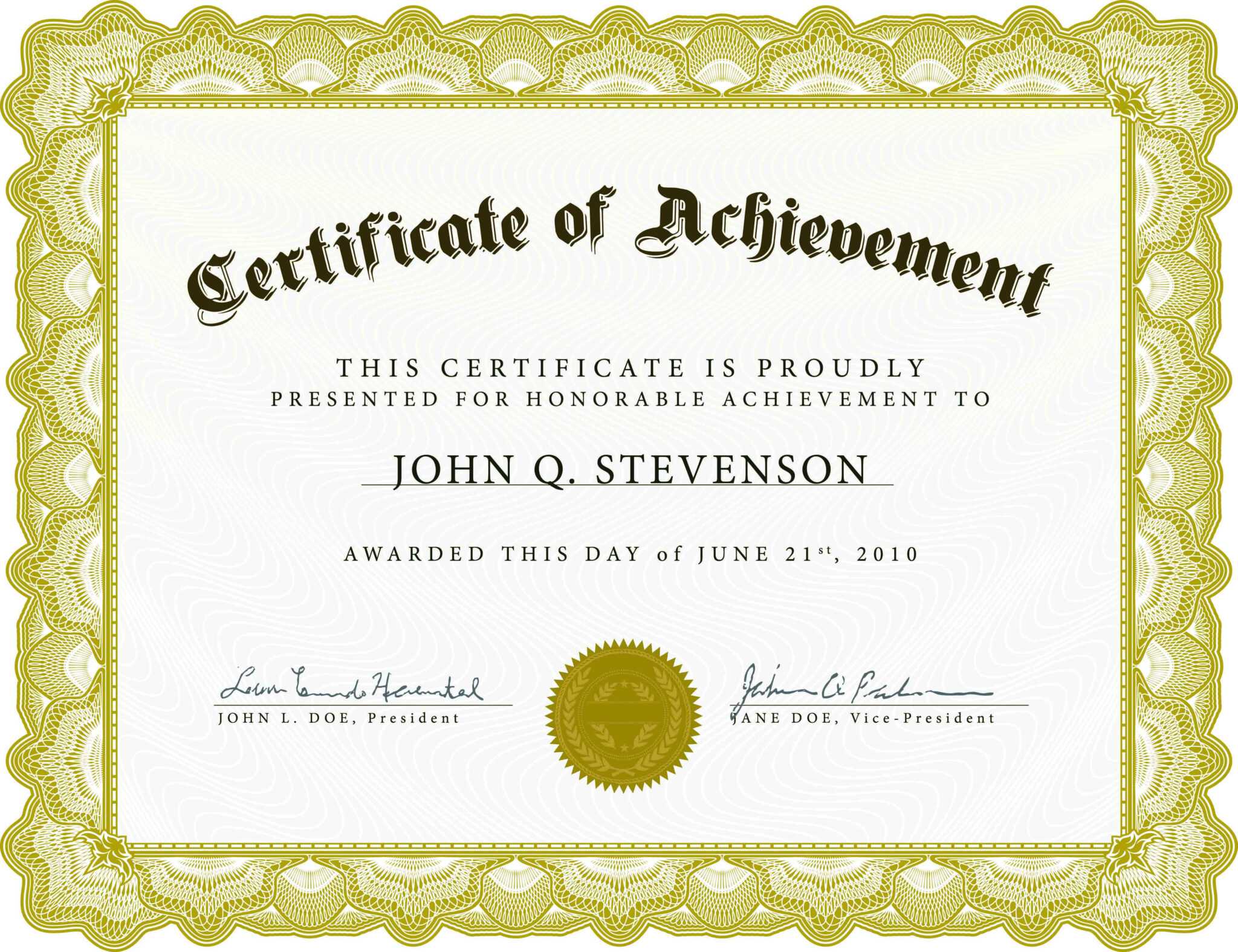
Beyond individual morale, these certificates also serve a practical purpose. They can be included in service records (depending on official guidelines), supporting career progression and providing concrete examples of a service member's capabilities and contributions. From successful completion of a rigorous training course to exemplary leadership during a deployment, a certificate of achievement documents pivotal moments that might otherwise go unrecorded in a formal awards system.

However, the impact of such recognition hinges on the quality and professionalism of the certificate itself. A poorly designed or generic document can diminish the intended sentiment, whereas a well-crafted, visually appealing, and precisely worded certificate elevates the award and the recipient's sense of pride. This article will guide you through the process of designing and utilizing a Certificate Of Achievement Army Template, ensuring that your recognition efforts are as impactful and professional as the achievements they honor.
The Significance of Recognition in the Military
Recognition within the military goes far beyond mere formality; it is a fundamental pillar of unit cohesion, individual motivation, and overall mission success. In an environment that often demands immense personal sacrifice and unwavering dedication, acknowledging outstanding performance is not just a kind gesture but a strategic imperative. When service members feel their efforts are seen and appreciated, it cultivates a stronger sense of purpose and belonging.
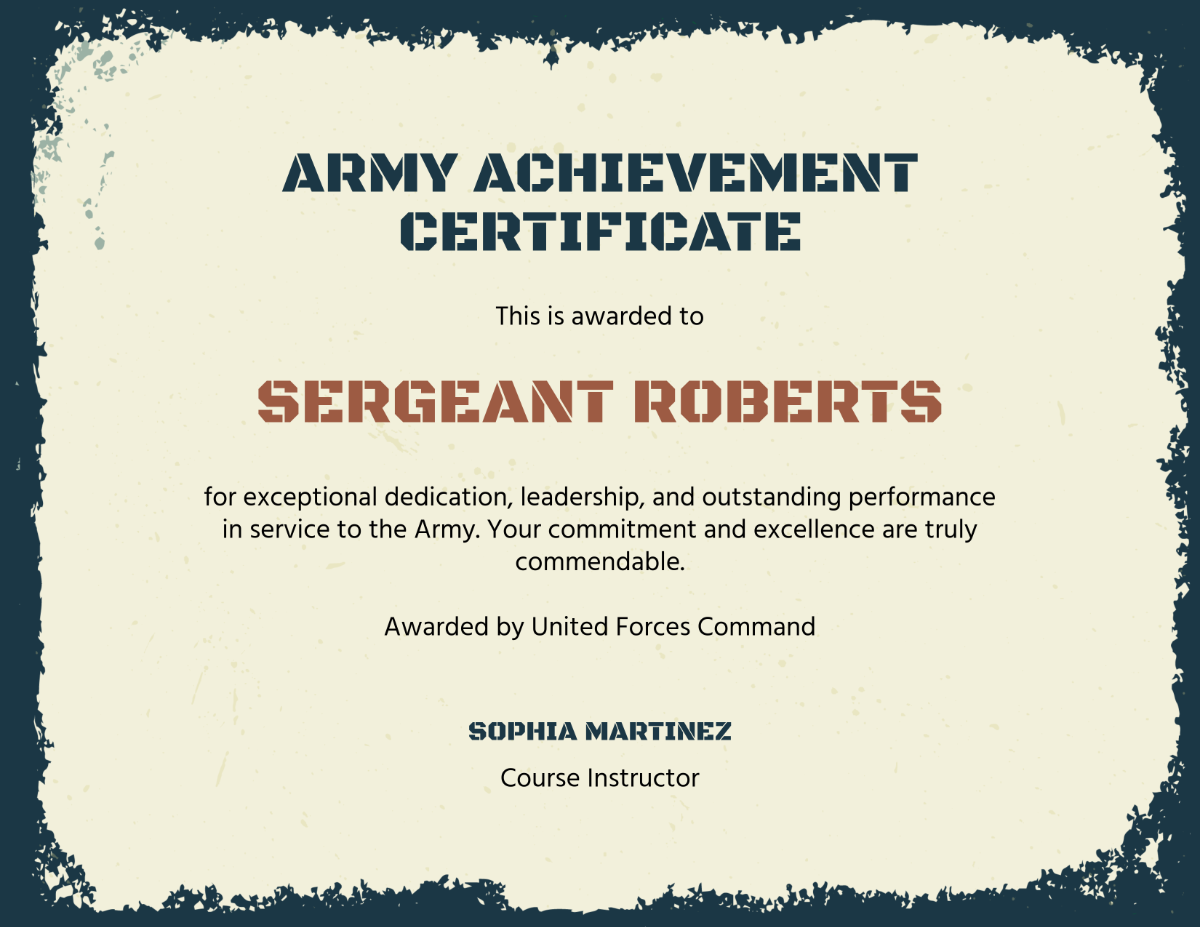
Formal recognition, such as a Certificate of Achievement, publicly affirms a service member's value to the team and the organization. This can lead to increased job satisfaction, greater commitment to military values, and a reinforced desire to excel. Conversely, a lack of recognition can lead to feelings of being overlooked, undervalued, and can ultimately contribute to declining morale and retention issues. The Army, like any high-performing organization, thrives on a culture where merit is recognized and celebrated, fostering an environment where individuals are motivated to push their limits.
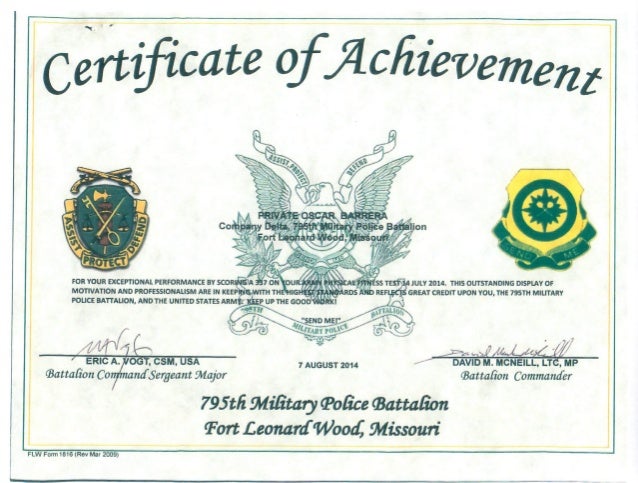
Beyond morale, certificates of achievement can also serve as important building blocks for a service member's career narrative. While not always carrying the weight of formal military awards (like an Army Commendation Medal or Army Achievement Medal), they provide tangible proof of specific accomplishments and contributions. These documents can highlight leadership qualities, technical proficiency, initiative, and other desirable traits that might be considered during promotion boards, special assignments, or when transitioning to civilian life. They are a testament to moments of brilliance and consistent dedication that might otherwise fade from memory.
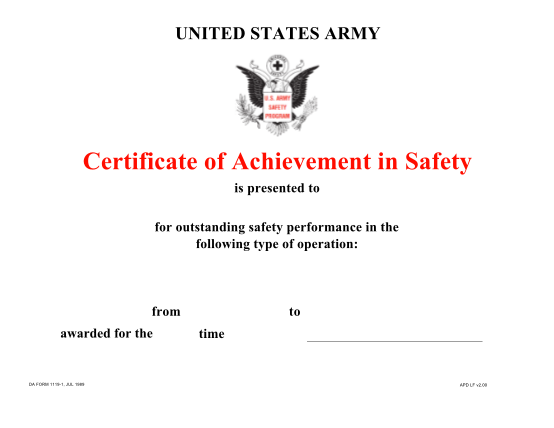
Key Elements of an Effective Certificate Of Achievement Army Template
Designing an impactful recognition document begins with understanding its core components. A robust Certificate Of Achievement Army Template must incorporate several key elements to ensure clarity, professionalism, and authenticity. Each element plays a vital role in conveying the message of recognition and solidifying the certificate's official standing.

Recipient and Awarding Authority Details
At the heart of any certificate is the recipient's information. This typically includes:
* Full Name: Spelled correctly and clearly.
* Rank: The service member's current rank.
* Unit/Organization: The specific unit, company, or detachment to which the recipient belongs.
* DoD ID/Service Number (Optional): Sometimes included for formal record-keeping, depending on the template's purpose.
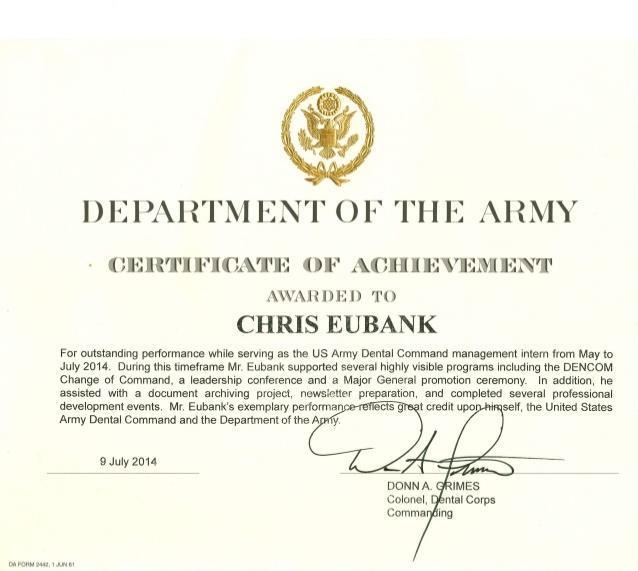
Equally important are the details of the awarding authority. This section should clearly state who is presenting the recognition:
* Commander's Name and Rank: The individual authorized to present the award.
* Command/Unit Name: The command or unit under which the award is being given.
* Date of Award: The specific date the certificate is presented or effective.

Statement of Achievement and Narrative
This is arguably the most crucial part of the certificate, explaining why the individual is being recognized. The statement should be:
* Clear and Concise: Get straight to the point.
* Specific: Detail the particular actions, contributions, or period of performance being recognized. Avoid vague generalities.
* Impactful: Highlight the positive outcomes or significance of the achievement. What difference did their actions make?

Often, this section begins with a phrase like "For Outstanding Achievement," "For Exceptionally Meritorious Service," or "In Recognition of Superior Performance." It then elaborates with a brief narrative, perhaps 2-4 sentences, or a series of bullet points if space is a concern, outlining the specific accomplishments. For example: "During the period [Start Date] to [End Date], Specialist Doe consistently demonstrated exceptional initiative and technical expertise in maintaining critical communication systems, resulting in a 99% operational readiness rate for Task Force Bravo throughout Operation Ironclad."

Official Seals, Insignia, and Signatures
To lend authenticity and official weight to the certificate, several visual and signatory elements are essential:
* Official Seals/Logos: This typically includes the Department of the Army Seal or the Unit's Official Insignia. Ensure these are high-resolution, correctly positioned, and used in accordance with military branding guidelines. Misuse of official insignia can be a serious matter.
* Signatures: The certificate must be signed by the awarding authority. This usually involves the Commander and potentially other senior leaders such as the First Sergeant or Command Sergeant Major. Spaces should be clearly designated for their printed names, ranks, and titles beneath their signatures.
* Formatting and Layout: A professional layout ensures readability and visual appeal. Use clear, legible fonts (e.g., Times New Roman, Arial, Garamond) in appropriate sizes. The overall design should be clean, balanced, and reflect the gravitas of military recognition. Borders, subtle background textures, or patriotic motifs can enhance the presentation, but should not overshadow the core content.

Customizing Your Certificate Of Achievement Army Template for Specific Occasions
While a standard Certificate Of Achievement Army Template provides a solid foundation, its true power lies in its adaptability. Customizing the template allows you to tailor the recognition to the specific context, making the award feel more personal, relevant, and impactful for the recipient. Different achievements warrant different emphasis and wording.
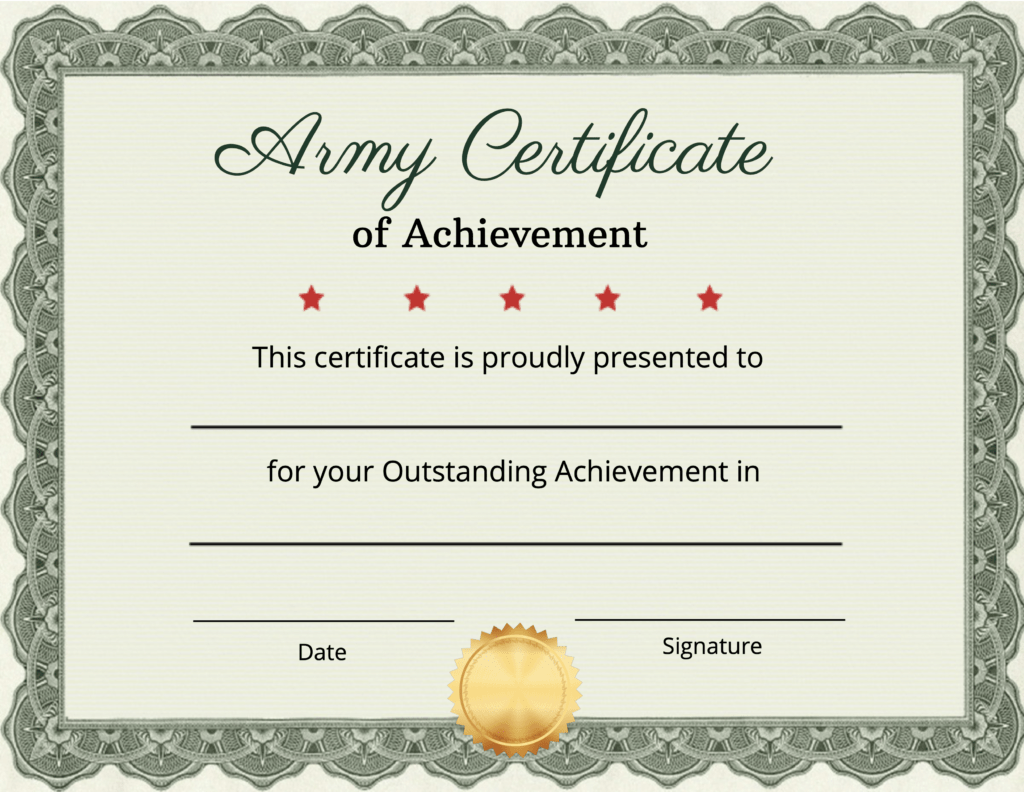
Tailoring Wording for Diverse Achievements
The narrative section is where customization truly shines. Consider the specific type of achievement you are recognizing:
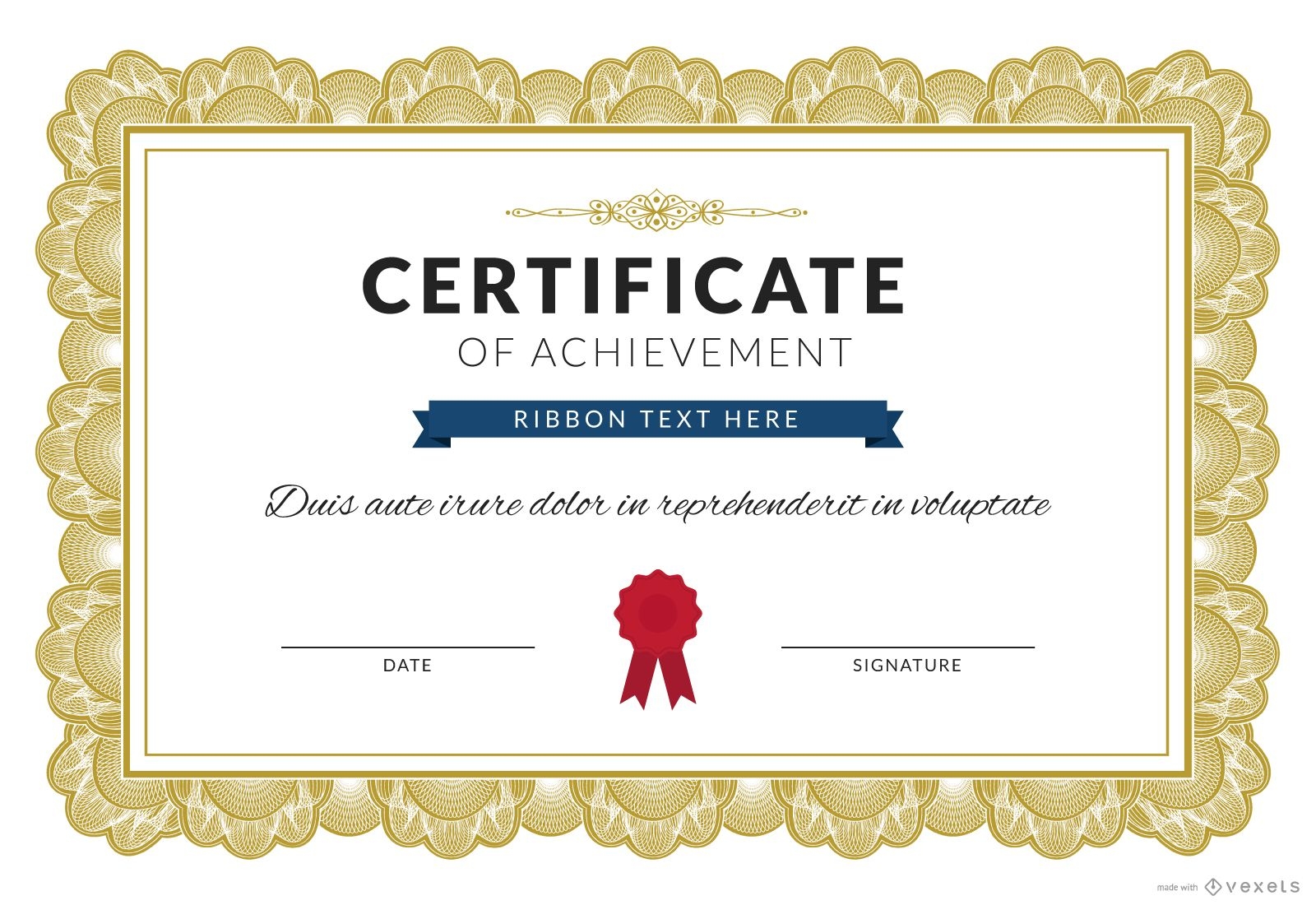
- Outstanding Performance in a Specific Task: If a service member excelled in a particular duty, task, or project, the narrative should focus on their proficiency, efficiency, and the positive outcomes. For example: "For exceptional dedication and technical skill in leading the successful overhaul of Battalion equipment, resulting in a 20% increase in operational readiness and significant cost savings."
- Exceptional Leadership: For leaders, the focus should be on their ability to guide, motivate, and inspire their team. Highlight results achieved through their leadership. For example: "For demonstrating exemplary leadership as Squad Leader, consistently fostering a cohesive and high-performing team that exceeded all training objectives during rigorous field exercises."
- Volunteer Efforts/Community Service: When recognizing service beyond official duties, emphasize selflessness, initiative, and positive community impact. For example: "For outstanding volunteer service and unwavering commitment to the local community, dedicating over 100 hours to the 'Adopt-a-Family' program, significantly enhancing public relations for the unit."
- Successful Completion of Training/Courses: Acknowledge the dedication and academic excellence in challenging educational or training environments. For example: "For achieving superior academic and physical performance throughout the demanding Basic Leader Course, graduating as the Distinguished Honor Graduate and embodying the highest standards of the NCO Corps."
- Retirement or Change of Station: These occasions call for a broader recognition of overall service, impact, and contributions over a period. The tone is often one of gratitude and appreciation for sustained commitment. For example: "For devoted and honorable service to the United States Army spanning X years, culminating in significant contributions to [Unit Name] and leaving an indelible mark on all those with whom they served. Best wishes in future endeavors."
Maintaining Professionalism and Respect
Regardless of the occasion, maintaining a tone of professionalism and respect is paramount.
* Formal Language: Use formal, military-appropriate language. Avoid slang, colloquialisms, or overly casual phrasing.
* Accuracy: Double-check all names, ranks, dates, and factual details. Errors undermine the sincerity of the award.
* Conciseness: While detailed, the narrative should remain concise and to the point. Every word should add value.
* Impact: Ensure the wording accurately reflects the gravity and positive impact of the service member's actions. The language should elevate the achievement, not diminish it.
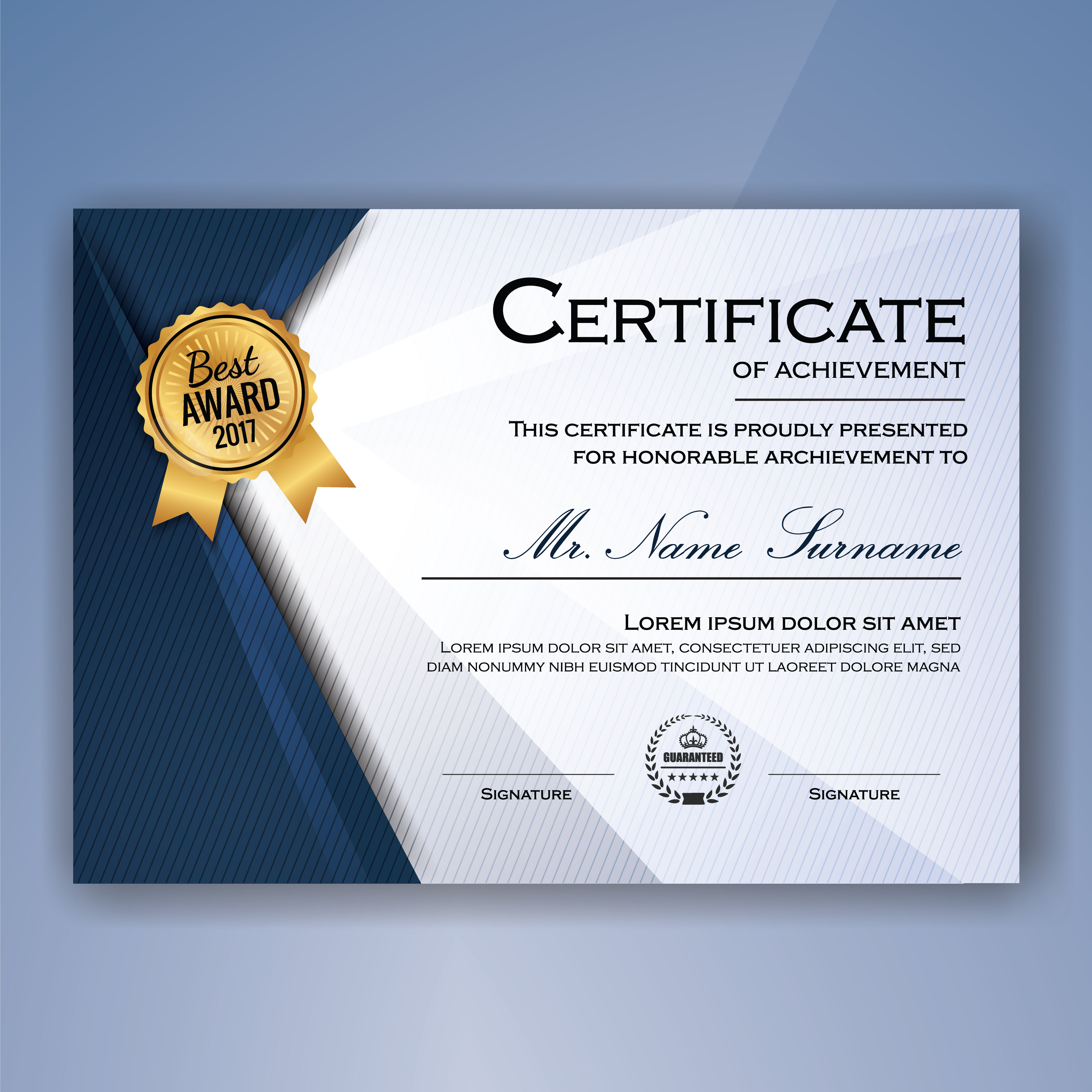
By carefully selecting and adjusting the language within your Certificate Of Achievement Army Template, you can ensure that each recognition is not only accurate but also deeply resonant with the individual and the specific circumstances of their outstanding performance. This level of thoughtful customization transforms a generic award into a cherished personal testament to their dedication and excellence.
Where to Find and Utilize a Certificate Of Achievement Army Template
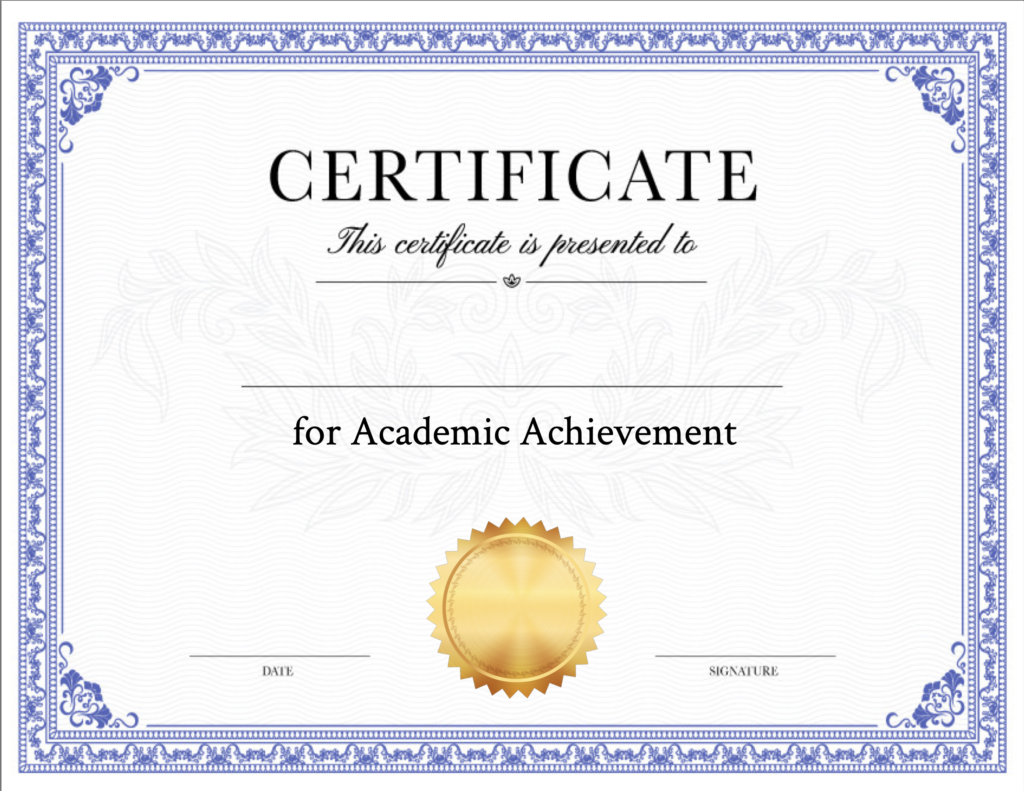
Finding the right Certificate Of Achievement Army Template is the first step towards creating a professional and meaningful award. Various resources are available, ranging from official military channels to widely accessible digital platforms. The choice often depends on specific unit regulations, desired level of customization, and available resources.

Official and Semi-Official Resources
Within the Army, units may have their own pre-approved templates or specific guidelines for creating certificates of achievement. These are often distributed through administrative channels or available on internal share drives.
* Unit S1/Admin Sections: Your unit's administrative section (S1) is typically the best starting point. They often maintain official templates, approved logos, and can advise on specific formatting or content requirements unique to your command.
* Military Document Repositories: While less common for informal certificates, some official Army websites or internal portals might offer downloadable templates for various administrative documents, which could include achievement certificates or provide stylistic guidance.
* JROTC/ROTC Programs: For high school or college ROTC units, there may be specific templates provided by their respective command structures, designed to mirror official Army documents.
Always prioritize official or approved templates if available, as they ensure compliance with military standards for logos, seals, and overall presentation.
Digital Design Platforms and Software
For those requiring more flexibility or who do not have access to official templates, several civilian digital tools offer excellent capabilities for creating custom certificates.
* Microsoft Word/Publisher/PowerPoint: These widely available programs offer robust tools for document design. You can start from a blank document, use pre-existing generic certificate templates as a base, and then incorporate Army-specific elements. Word, in particular, allows for easy text formatting, image insertion, and precise layout control.
* Canva: This popular online graphic design tool provides a vast library of customizable certificate templates. While many are generic, they can be easily adapted by swapping in Army seals, unit logos, and military-appropriate fonts and colors. Canva is intuitive and great for users without extensive graphic design experience.
* Adobe Express (formerly Adobe Spark): Similar to Canva, Adobe Express offers professional-looking templates and easy-to-use design features. It's an excellent option for creating visually appealing certificates with a polished finish.
* Specialized Certificate Software: A few niche software options exist that are dedicated solely to certificate creation, offering advanced features for batch printing and unique design elements.
When using civilian platforms, it is crucial to ensure that any Army logos or insignia you incorporate are high-resolution and used appropriately and legally. Always verify the source and quality of any military graphics.
Considerations for Utilization
Once you have identified or created a suitable template, consider these aspects for effective utilization:
* Paper Quality: Print certificates on heavy, high-quality paper (e.g., cardstock, parchment paper) to give them a premium feel. This elevates the perceived value of the award.
* Framing: For significant achievements, consider presenting the certificate in a simple, professional frame. This further enhances its visual appeal and protects it as a keepsake.
* Digital Copies: Create a high-resolution PDF version of the signed certificate. This allows for digital record-keeping and easy sharing with the recipient if desired.
* Proofreading: Always proofread meticulously before printing. Errors in names, ranks, dates, or narratives can undermine the professionalism and sincerity of the award.
* Approval Process: Before final printing and presentation, ensure the content and design meet any unit-specific approval requirements.
By leveraging these resources and adhering to best practices, you can consistently produce high-quality, professional certificates of achievement that truly honor the service and accomplishments of Army personnel.
Designing Best Practices for Your Certificate Of Achievement Army Template
Creating a truly impactful Certificate Of Achievement Army Template involves more than just filling in blanks; it requires adherence to design principles that convey professionalism, solemnity, and respect. A well-designed certificate enhances the award's significance and ensures it is a cherished memento.
Visual Hierarchy and Layout
The layout of your certificate should guide the viewer's eye logically through the information, with the most important details being the most prominent.
* Central Focus: The recipient's name and the specific achievement narrative should be the central focus. They should be presented in larger, clear fonts.
* Balanced Design: Distribute elements (text blocks, logos, signature lines) evenly across the page. Avoid crowding certain areas while leaving others sparse.
* White Space: Utilize sufficient white space around text and images. This prevents the certificate from looking cluttered and makes it easier to read.
* Symmetry: Often, a symmetrical layout works best for formal military documents, conveying order and balance.
Font Choices for Professionalism and Legibility
Font selection is critical for both aesthetic appeal and readability.
* Legibility: Choose fonts that are clear and easy to read, even at a glance. Avoid overly decorative or script fonts that might be difficult to decipher, especially for names and ranks.
* Professionalism: Opt for classic, serif fonts (like Times New Roman, Garamond, Georgia) or clean, sans-serif fonts (like Arial, Calibri, Helvetica) that convey authority and professionalism.
* Consistency: Use a maximum of two complementary fonts throughout the certificate – one for headings/main text and another for specific details if desired. Too many fonts create a chaotic look.
* Font Size: Ensure main titles (e.g., "Certificate of Achievement"), recipient's name, and the core narrative are in appropriately large font sizes. Smaller text can be used for dates, signatures, and legal disclaimers.
Color Schemes and Imagery
The color scheme and use of imagery should reflect the dignity of the military.
* Subdued Palette: Typically, military certificates employ a subdued and patriotic color scheme. Whites, off-whites, creams, and blues, often accented with gold or dark red, are common. Avoid overly bright or neon colors.
* Official Logos and Seals: Use high-resolution images of the Department of the Army Seal and any specific unit insignia. Ensure these are correctly placed and sized. Do not stretch, distort, or pixelate official logos.
* Backgrounds: A clean, plain background is often best. If using a background texture or subtle watermark, ensure it doesn't obscure the text. A subtle patriotic pattern or a very faint image of an eagle or flag can be appropriate if done tastefully.
Proofreading and Quality Control
This step cannot be overstressed. A single typo can significantly diminish the impact of an otherwise perfect certificate.
* Multiple Reviewers: Have at least two or three people proofread the certificate, especially checking names, ranks, dates, and the narrative.
* Read Aloud: Reading the text aloud can help catch awkward phrasing or grammatical errors.
* Check All Details: Verify every piece of information against official records if possible. Is the rank correct? Is the date accurate? Is the unit spelled correctly?
* Print Test: Always print a draft copy to check how it looks on paper. Colors can vary slightly from screen to print, and minor layout issues might only become apparent on a physical copy.
By meticulously applying these design best practices, your Certificate Of Achievement Army Template will result in a professional, respected, and highly valued document that truly honors the dedication and accomplishments of Army personnel.
Legal and Ethical Considerations When Using a Certificate Of Achievement Army Template
While creating a Certificate Of Achievement Army Template might seem straightforward, there are important legal and ethical considerations to keep in mind, particularly when dealing with official military symbology and the recognition of service. Adhering to these guidelines ensures the integrity of the award and prevents potential misuse or misrepresentation.
Authenticity and Misrepresentation
The most critical concern is ensuring that the certificate does not misrepresent an official military award.
* Clear Distinction: A Certificate of Achievement, while valuable, is generally considered a unit-level recognition and distinct from formal military awards (e.g., Army Commendation Medal, Bronze Star). Ensure the design and wording do not create confusion or imply a higher-level award than intended.
* No Impersonation: Never design a template that could be mistaken for an official military decoration or award document that is issued by higher authority. This could be considered a form of stolen valor or misrepresentation of military service.
* Truthful Content: All information on the certificate – names, ranks, dates, and the description of achievement – must be factually accurate. Falsifying any details undermines the integrity of the award and can have serious consequences.
Proper Use of Official Seals and Insignia
The use of official military emblems, seals, and insignia is governed by strict regulations.
* Department of the Army Seal: The Department of the Army Seal and other official seals are protected symbols. Their use is generally restricted to official government documents or for purposes explicitly authorized by the Army. If you are creating a template for an authorized unit within the Army, ensure you are using the correct, high-resolution version and adhering to all branding guidelines. For non-official or personal commemorative purposes, extreme caution and often specific permission are required.
* Unit Insignia: Unit crests, distinctive unit insignia (DUI), and other unit-specific emblems are also protected. Their use on certificates is typically permissible for awards issued by that specific unit or higher command, provided the unit's guidelines are followed.
* Copyright and Trademarks: Be mindful of any copyright or trademark implications associated with specific military imagery or phrases. When in doubt, err on the side of caution or seek guidance from military legal counsel or public affairs offices.
Approval Processes and Authority
Within military organizations, there are often established processes for approving awards and recognition.
* Command Approval: Certificates of Achievement are usually issued under the authority of a commanding officer. Ensure that the specific commander (e.g., company, battalion, brigade commander) has the authority to issue such an award and has approved the content and design.
* S1/Admin Oversight: Administrative sections (S1) often have oversight of awards programs, including certificates of achievement. Consult with them early in the design process to ensure compliance with local regulations and to streamline the approval process.
* Policy Adherence: Familiarize yourself with AR 600-8-22 (Army Awards and Decorations) and any local unit Standard Operating Procedures (SOPs) regarding non-formal recognition. While a Certificate of Achievement might not be a formal decoration, its issuance should align with the spirit and intent of Army recognition policies.
By understanding and respecting these legal and ethical considerations, you can ensure that your use of a Certificate Of Achievement Army Template is not only professional and meaningful but also fully compliant with military regulations and ethical standards. This responsible approach protects the integrity of both the service member's accomplishments and the Army as an institution.
Conclusion
The act of recognizing excellence within the United States Army is far more than a mere formality; it is a vital practice that underpins morale, reinforces values, and motivates service members to achieve their full potential. A well-designed and thoughtfully utilized Certificate Of Achievement Army Template serves as a powerful instrument in this endeavor, providing a tangible and lasting testament to individual and collective accomplishments. From acknowledging outstanding performance in a specific mission to celebrating dedicated service over many years, these certificates are cherished symbols of gratitude and respect.
Throughout this guide, we have explored the essential components of an effective certificate, emphasizing the importance of clear communication, professional design, and meticulous accuracy. We've delved into the art of customization, illustrating how tailoring the narrative to specific achievements can elevate a generic award into a deeply personal and meaningful tribute. Furthermore, we've highlighted the crucial avenues for acquiring suitable templates and outlined best practices in design, from font choices to color schemes, all aimed at ensuring the final product reflects the dignity and gravity of military recognition.
Finally, we addressed the imperative legal and ethical considerations surrounding the use of military seals and insignia, underscoring the necessity of authenticity and proper authorization. By adhering to these guidelines, leaders and administrators can confidently create certificates that not only honor service members appropriately but also uphold the integrity of the Army's recognition system. The dedication and sacrifice of Army personnel deserve to be acknowledged with distinction, and a professionally crafted Certificate of Achievement is an enduring way to say, "Well done."
0 Response to "Design Your Certificate Of Achievement Army Template"
Posting Komentar