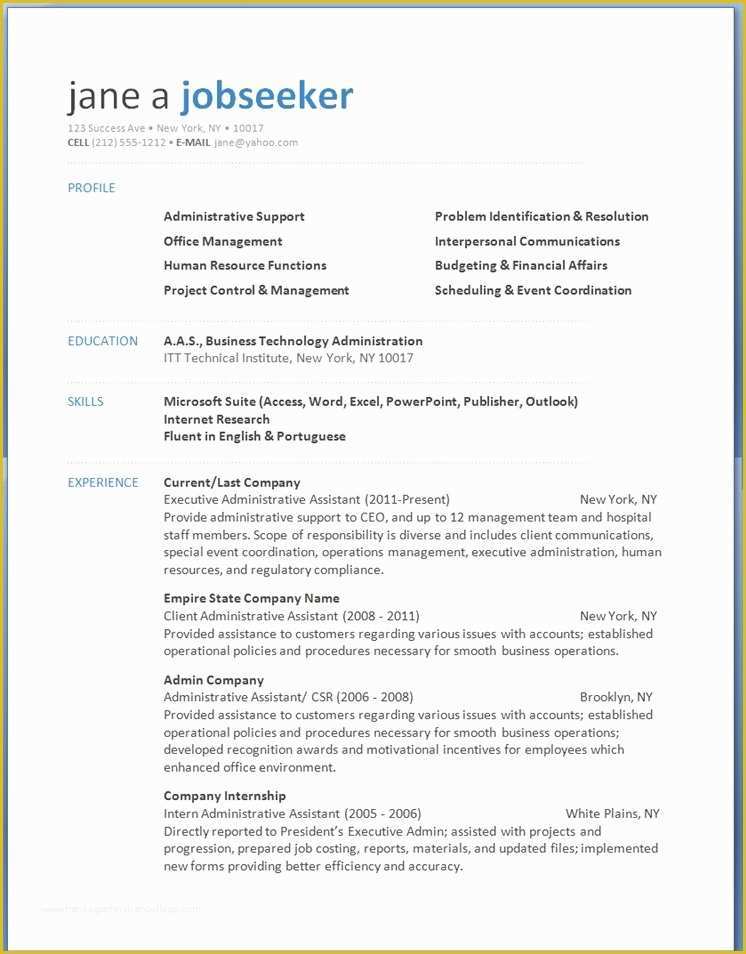
Creating a professional resume is a crucial step in securing your desired job. In today's competitive job market, a well-crafted resume is often the first impression you make on a potential employer. Resume Templates Word 2013 offer a streamlined and visually appealing way to present your skills and experience, significantly increasing your chances of landing an interview. This guide will explore the world of resume templates, specifically focusing on those available in Microsoft Word 2013, and how to effectively utilize them to create a compelling document. We'll delve into the features, customization options, and best practices for crafting a resume that truly stands out. Understanding the nuances of these templates is essential for anyone looking to enhance their job search.
Understanding the Landscape of Word 2013 Resume Templates
Microsoft Word 2013 provided a surprisingly robust selection of resume templates, each designed with a slightly different aesthetic and functionality. While newer versions of Word offer more advanced features, the 2013 templates remain a solid foundation for many professionals. These templates typically include sections for contact information, summary/objective, work experience, education, and skills. The key to success with these templates lies in understanding how to customize them to reflect your unique qualifications and the specific requirements of the jobs you're targeting. Don't be afraid to experiment with different layouts and formatting options to find what works best for you.
Key Features of Word 2013 Resume Templates
Several key features distinguish these templates:
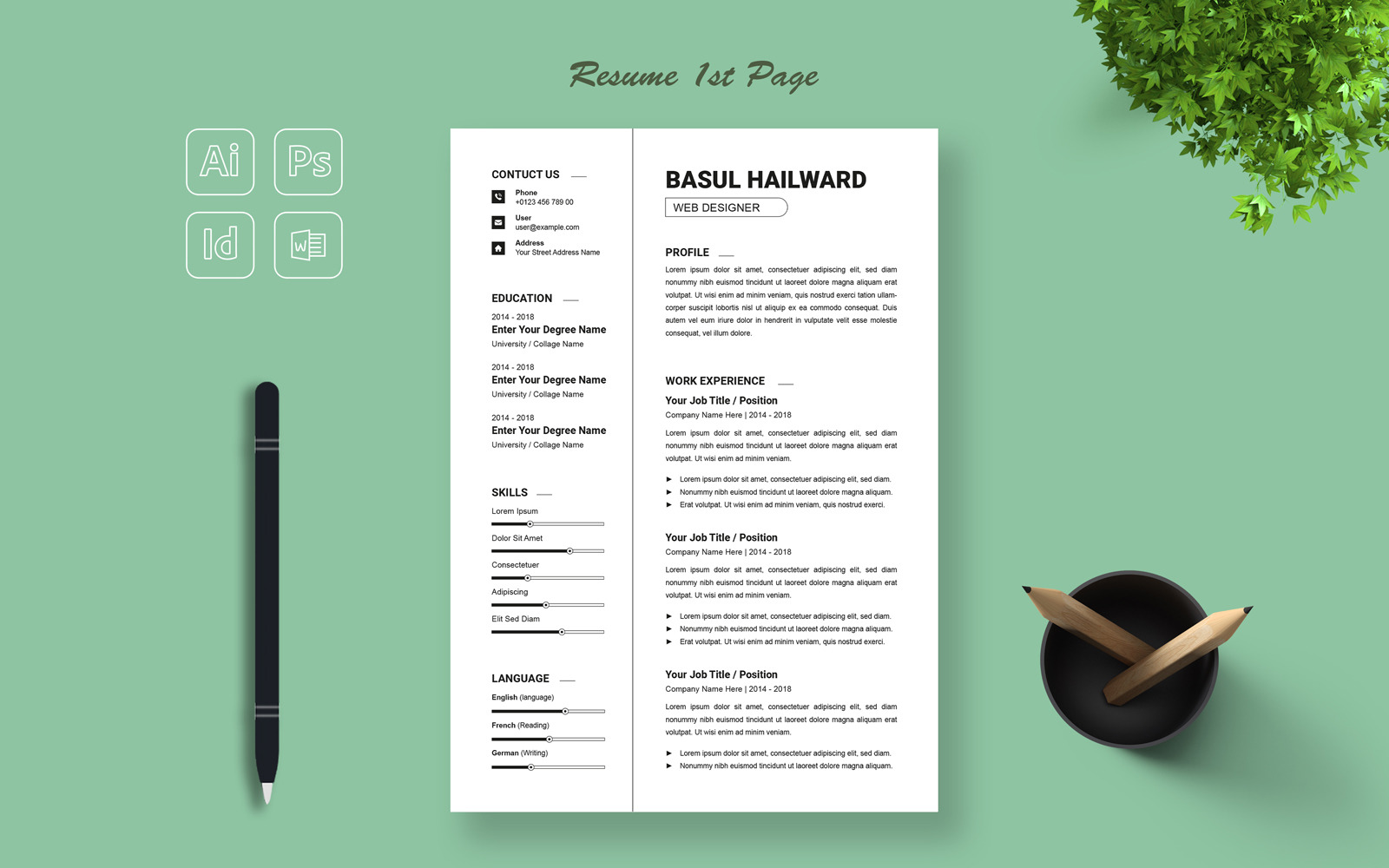
- Basic Layouts: The templates offer a range of basic layouts, from chronological (listing work experience in reverse chronological order) to functional (emphasizing skills over work history).
- Customizable Sections: Most templates allow you to easily add, remove, or rearrange sections to suit your needs.
- Text Formatting: Word 2013 provides extensive text formatting options, including font styles, sizes, colors, and alignment.
- Graphics and Images: Some templates include the ability to insert simple graphics or images to enhance your resume.
- Table of Contents: The ability to create a table of contents is invaluable for creating a well-organized resume.
- Margins and Spacing: You can adjust margins and spacing to create a visually appealing and easy-to-read document.
Section Breakdown: A Detailed Look at Template Features
Let's examine some of the most commonly used sections and how to best utilize them within a Word 2013 template:
1. Contact Information
This section should be prominently displayed at the top of your resume. Ensure all contact information is accurate and professional. Typically, this includes:
- Full Name: Use a clear and legible font.
- Phone Number: Include your mobile number.
- Email Address: Use a professional-sounding email address (e.g., firstname.lastname@email.com).
- LinkedIn Profile URL (Optional): If you have a LinkedIn profile, include the URL.
- Address (Optional): You can include your city and state, but avoid including your full street address for privacy reasons.
2. Summary/Objective
- Summary: A brief (3-4 sentence) overview of your skills and experience, highlighting your key qualifications and career goals. This is particularly useful for experienced professionals. Resume Templates Word 2013 often provide a basic summary section.
- Objective: A concise statement of your career goals. While less common now, an objective can still be useful, especially for recent graduates or those changing careers. However, a summary is generally preferred.
3. Work Experience
This section is crucial for demonstrating your professional history. For each job, include:
- Job Title: Use a clear and descriptive title.
- Company Name: Include the full company name.
- Dates of Employment: Use a consistent date format (e.g., MM/YYYY - MM/YYYY).
- Responsibilities and Achievements: Use bullet points to describe your responsibilities and, more importantly, your achievements. Quantify your accomplishments whenever possible (e.g., "Increased sales by 15%"). Resume Templates Word 2013 often provide a basic layout for this section.
4. Education
List your educational qualifications in reverse chronological order (most recent first). Include:
- Degree Name: (e.g., Bachelor of Science in Computer Science)
- Major: (e.g., Computer Science)
- University Name: Include the full university name.
- Graduation Date (or Expected Graduation Date): Use a consistent date format.
- GPA (Optional): Include your GPA if it's above 3.5.
5. Skills
This section highlights your technical and soft skills. Categorize your skills for clarity (e.g., Technical Skills, Software Skills, Language Skills). Be specific and relevant to the jobs you're applying for. Resume Templates Word 2013 typically include a skills section.
Customizing Your Resume for Maximum Impact
The beauty of Word 2013 resume templates is their flexibility. However, it's important to customize your resume to align with the specific job description. Pay close attention to the keywords and skills mentioned in the job posting and incorporate them into your resume. Don't just copy and paste; tailor your resume to demonstrate how your skills and experience match the employer's needs. Consider using the "Customize" feature in Word to adjust fonts, colors, and spacing to create a visually appealing and professional document.
Tips for Creating a Standout Resume
- Use Action Verbs: Start your bullet points with strong action verbs (e.g., "Managed," "Developed," "Implemented").
- Quantify Your Achievements: Whenever possible, use numbers to demonstrate the impact of your work.
- Proofread Carefully: Typos and grammatical errors can make a negative impression. Proofread your resume multiple times before submitting it.
- Keep it Concise: Aim for a resume that is no more than two pages long.
- Use a Professional Font: Choose a font that is easy to read (e.g., Arial, Calibri, Times New Roman).
- Save as a PDF: Save your resume as a PDF file to ensure that the formatting remains consistent across different devices and operating systems.
Beyond the Basics: Advanced Resume Techniques
While Word 2013 templates provide a solid foundation, there are more advanced techniques you can employ to further enhance your resume:
- Reverse Chronological Order: This is the most common and generally preferred format for most job seekers.
- Functional Resume: This format emphasizes your skills and abilities rather than your work history. It can be useful for career changers or those with gaps in their employment history. However, it's often viewed with skepticism by employers.
- Combination Resume: This combines elements of both chronological and functional resumes.
Conclusion
Creating a compelling resume is a critical investment in your job search. Using the right resume templates in Microsoft Word 2013, coupled with careful customization and attention to detail, can significantly increase your chances of landing an interview. Remember to focus on showcasing your skills and experience in a clear, concise, and professional manner. By mastering the art of resume design, you'll be well-equipped to present yourself as a valuable candidate to potential employers. Don't underestimate the power of a well-crafted resume – it's often the key to unlocking your career goals. Resume Templates Word 2013 are a valuable tool, but they are only effective when used strategically and with a focus on showcasing your unique value proposition.
0 Response to "Resume Templates Word 2013"
Posting Komentar