Conflict minerals – tantalum, tin, tungsten, and gold – are increasingly linked to human rights abuses and environmental degradation in the Democratic Republic of Congo (DRC) and other conflict-affected regions. Understanding the complexities of this issue is crucial for businesses, investors, and consumers alike. The rise of conflict minerals has sparked significant scrutiny and a growing demand for transparency. This article provides a comprehensive guide to creating and utilizing a Conflict Minerals Reporting Template – a standardized framework for assessing and disclosing the origin of these minerals. It's designed to help organizations navigate the challenges of traceability and accountability, ultimately contributing to responsible supply chains. Conflict Minerals Reporting Template is more than just a document; it's a tool for fostering trust and demonstrating a commitment to ethical sourcing. The core principle is to proactively identify and address potential risks throughout the supply chain, minimizing the negative impacts associated with conflict minerals. This article will delve into the key components of a robust template, covering data collection, analysis, and reporting best practices.
Understanding the Scope of Conflict Minerals
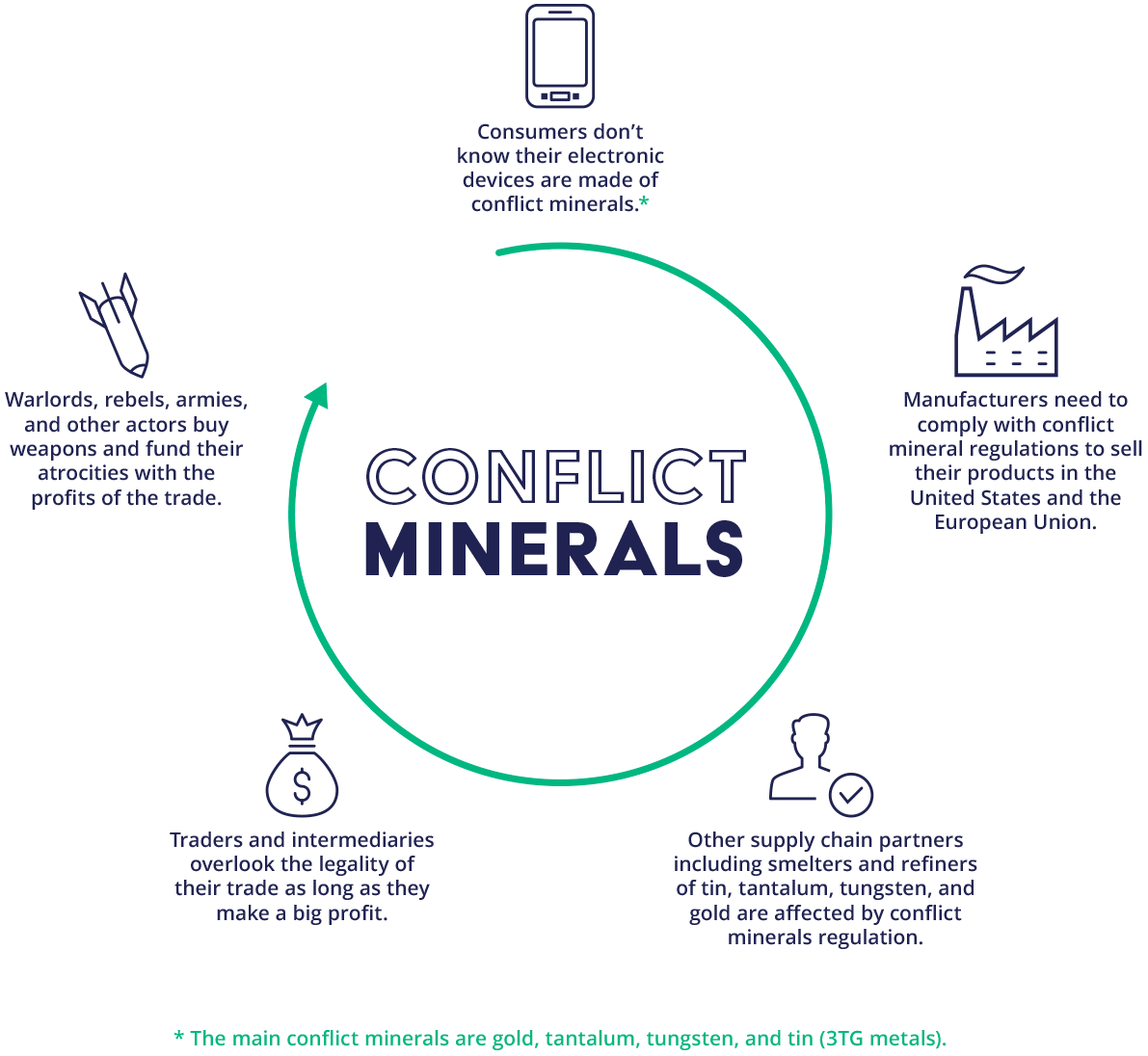
The issue of conflict minerals is far more complex than simply identifying minerals mined in conflict zones. It's a system of interconnected practices that often involve illicit mining, exploitation of local communities, and environmental damage. The DRC, for example, is a primary source of these minerals, and the region has experienced significant human rights violations, including child labor, forced labor, and violence. The demand for these minerals fuels a lucrative global market, but it also creates a system where conflict can be exacerbated. The traceability of minerals is not simply about identifying the origin; it's about understanding the entire lifecycle – from mine to consumer. This includes assessing the social and environmental impacts at each stage. Ignoring these impacts can lead to reputational damage, legal liabilities, and ultimately, a loss of consumer trust. The global community is increasingly demanding greater transparency, and organizations that fail to address these concerns risk being held accountable. The recent focus on the "Responsible Minerals" initiative, spearheaded by the United Nations, underscores the growing need for standardized practices.
.jpg)
Key Components of a Conflict Minerals Reporting Template
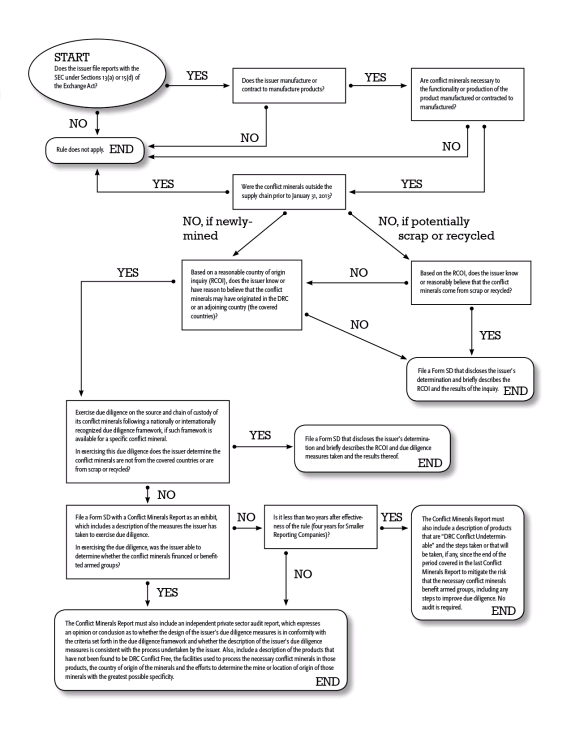
A well-designed Conflict Minerals Reporting Template is a critical tool for assessing and disclosing the origin of conflict minerals. It's not a one-size-fits-all solution, and the template should be tailored to the specific industry and supply chain. Here's a breakdown of the essential components:
1. Data Collection – Establishing the Baseline
The first step is to establish a robust data collection system. This involves identifying all stages of the supply chain – from raw material extraction to final product distribution. Detailed records must be maintained for each stage, including:

- Mine Sites: Information on the location, ownership, and operational status of mines.
- Mining Companies: Details on the company's activities, including labor practices, environmental compliance, and community engagement.
- Processing Facilities: Records of processing operations, including the types of minerals processed and the labor conditions.
- Transportation Routes: Tracking of minerals from the mine to the point of sale.
- Third-Party Suppliers: Information on suppliers and their involvement in the supply chain.
2. Materiality Assessment – Identifying High-Risk Areas
A materiality assessment is crucial for determining which minerals and supply chains warrant the most rigorous scrutiny. This involves identifying the minerals that are most likely to be linked to human rights abuses or environmental damage. Factors to consider include:

- Historical Data: Analyzing past incidents and reports related to conflict minerals.
- Geographic Risk: Mapping areas with a high risk of conflict and exploitation.
- Industry Trends: Identifying minerals that are increasingly linked to conflict.
- Stakeholder Input: Consulting with stakeholders, including NGOs, community groups, and industry experts.
3. Traceability and Verification – Building the Chain
Traceability is the ability to track a mineral's journey from mine to consumer. This requires implementing robust tracking systems, such as:

- Blockchain Technology: Utilizing blockchain to create a secure and transparent record of mineral origin.
- Supplier Audits: Conducting regular audits of suppliers to verify compliance with ethical and environmental standards.
- Third-Party Verification: Engaging independent third-party auditors to assess the accuracy of data and identify potential risks.
- Geographic Mapping: Using GIS (Geographic Information Systems) to visualize the supply chain and identify potential hotspots.
4. Impact Assessment – Evaluating the Consequences
Beyond simply identifying the origin of minerals, it's essential to assess the potential impacts on affected communities and the environment. This includes:
- Labor Practices: Evaluating working conditions, wages, and freedom of association.
- Environmental Impacts: Assessing the environmental footprint of mining operations, including water pollution, deforestation, and biodiversity loss.
- Community Engagement: Evaluating the level of community involvement in the mining process and the potential for conflict.
- Human Rights Risks: Identifying and mitigating risks of child labor, forced labor, and other human rights violations.
5. Reporting – Communicating Findings
The final step is to report the findings of the assessment in a clear and concise manner. The report should include:

- Data Summary: A summary of the data collected and analyzed.
- Risk Assessment: An assessment of the risks associated with each mineral and supply chain.
- Recommendations: Specific recommendations for improving traceability and accountability.
- Transparency: Openly disclosing the methodology used and the limitations of the assessment.
The Importance of Continuous Improvement
Creating and maintaining a robust Conflict Minerals Reporting Template is not a one-time effort. It requires a continuous commitment to improvement. This includes regularly updating the template, refining data collection methods, and strengthening supplier engagement. Furthermore, organizations should actively seek feedback from stakeholders and adapt their approach as needed. The evolving nature of conflict minerals requires a flexible and responsive framework. The rise of digital technologies, such as AI and machine learning, offers exciting opportunities to enhance traceability and improve the accuracy of data. However, it's crucial to address ethical considerations and ensure that these technologies are used responsibly.
Conclusion
Conflict Minerals Reporting Template represents a significant step forward in addressing the complex challenges associated with conflict minerals. By providing a standardized framework for assessing and disclosing the origin of these minerals, organizations can promote greater transparency, accountability, and responsible sourcing. The ongoing efforts to improve traceability, enhance stakeholder engagement, and leverage technology will be critical for mitigating the risks associated with conflict minerals and fostering a more sustainable and ethical supply chain. Ultimately, the goal is to move beyond simply identifying the minerals to actively working to ensure that they are mined and processed in a way that respects human rights and protects the environment. The future of responsible sourcing depends on a collaborative effort involving governments, businesses, civil society, and consumers.

0 Response to "Conflict Minerals Reporting Template"
Posting Komentar