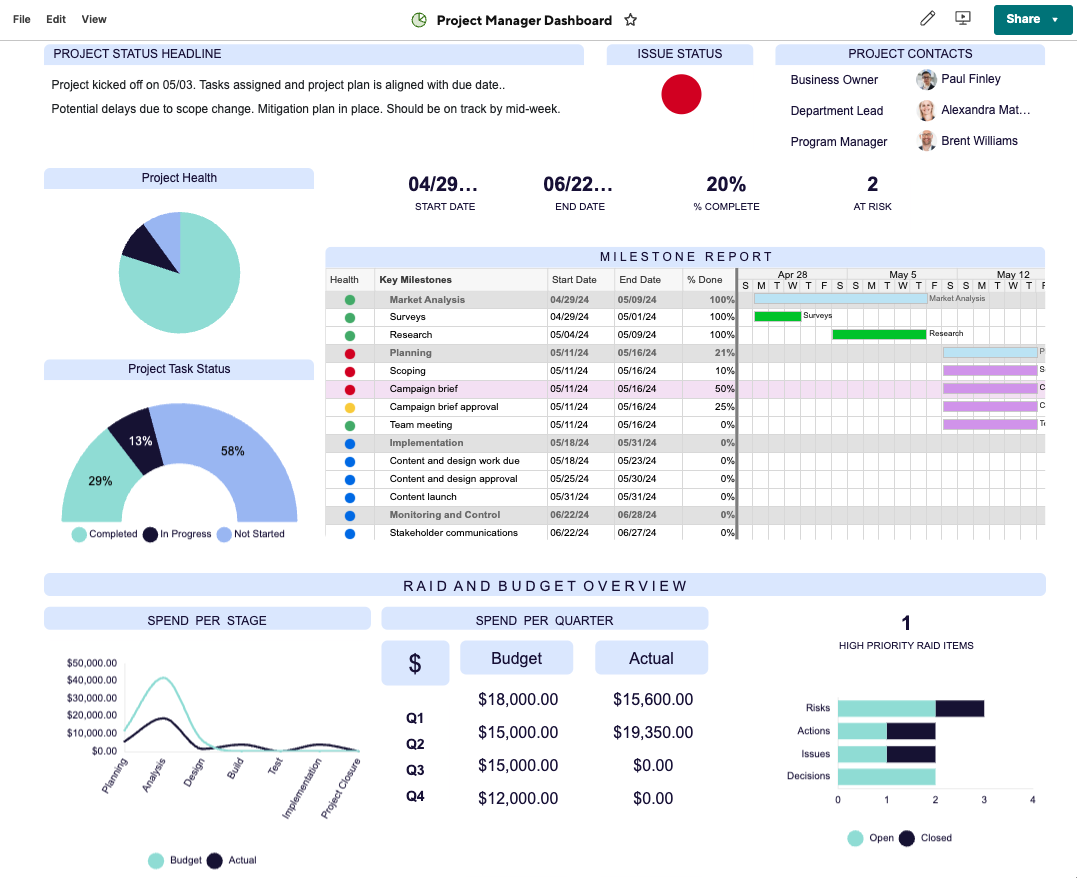
Portfolio management reporting is no longer a simple, reactive exercise. It's a strategic process – a continuous cycle of analysis, forecasting, and optimization. Effective reporting isn't just about presenting numbers; it's about providing insights that inform decision-making, identify trends, and ultimately, drive performance. Portfolio Management Reporting Templates are the key to unlocking this potential. They provide a structured framework for collecting, analyzing, and presenting data, allowing portfolio managers to gain a clear understanding of their investments and proactively manage risk. This article will explore the benefits of utilizing these templates, the different types available, and how to choose the right one for your specific needs. We'll delve into practical considerations, including data sources, customization options, and the importance of ongoing refinement. Ultimately, mastering portfolio management reporting templates is a crucial step towards becoming a more effective and data-driven portfolio manager.
The Importance of Robust Reporting
The modern investment landscape demands more than just static performance metrics. Investors need a dynamic view of their portfolios, constantly monitored and analyzed to identify opportunities and mitigate potential risks. Traditional spreadsheets are often insufficient for this level of detail. Portfolio Management Reporting Templates offer a streamlined and organized approach to this challenge. They move beyond simple summaries and provide a comprehensive overview of portfolio performance, asset allocation, and key risk indicators. Without consistent, well-crafted reports, it's difficult to demonstrate value to stakeholders, identify areas for improvement, and make informed strategic decisions. Furthermore, regulatory compliance often requires detailed reporting, and robust templates are essential for meeting these obligations. The ability to quickly and accurately generate reports is a significant competitive advantage.
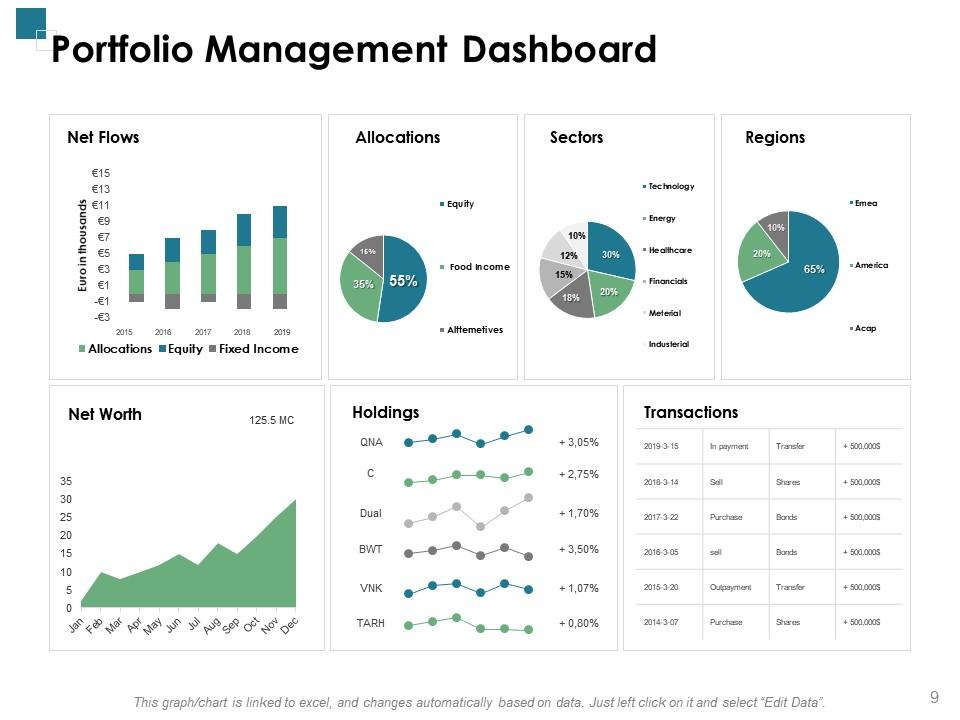
Types of Portfolio Management Reporting Templates
Several different types of templates cater to varying needs and levels of complexity. Choosing the right template depends on the size and structure of your portfolio, your reporting requirements, and your team's expertise. Here are a few common examples:
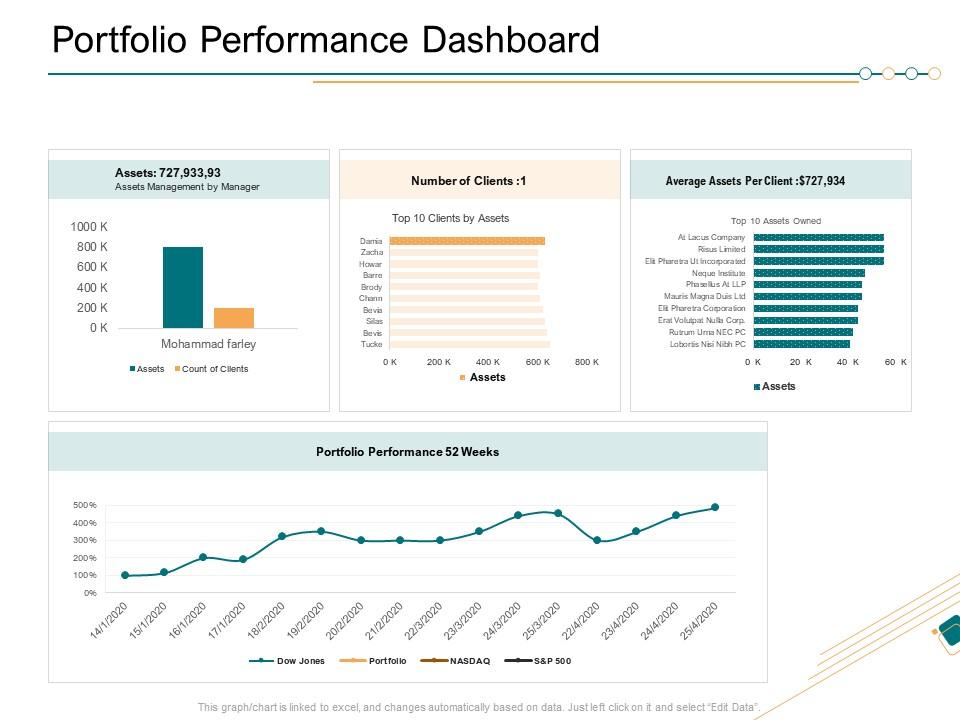
Standard Portfolio Report: This is the most basic template, providing a high-level overview of portfolio performance, including total return, asset allocation, and key risk metrics. It's a good starting point for investors who need a quick snapshot of their portfolio's health.
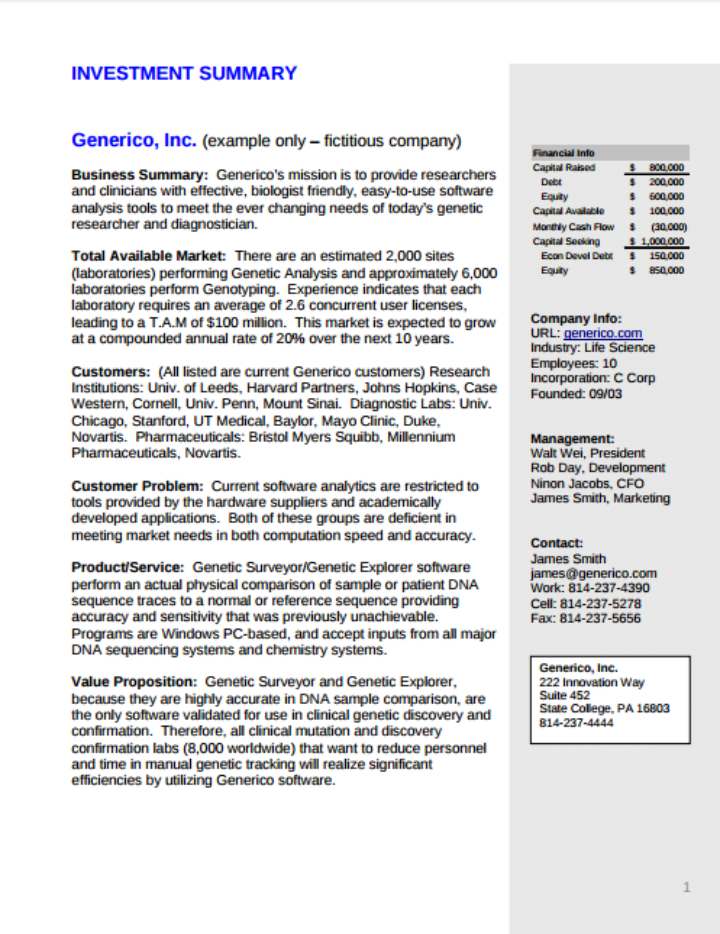
Performance Trend Report: This template focuses on tracking portfolio performance over time. It includes historical data, projected returns, and comparisons to benchmarks. It's invaluable for identifying trends and assessing the effectiveness of investment strategies.
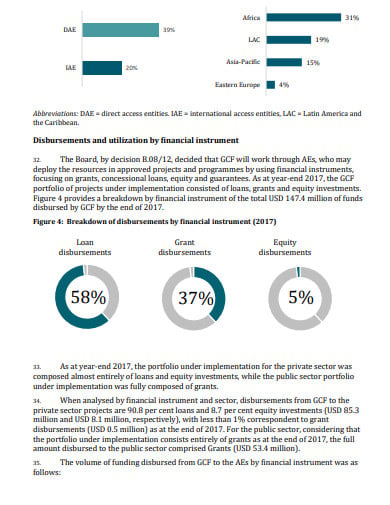
Risk & Volatility Report: This template specifically analyzes portfolio risk and volatility. It incorporates metrics such as standard deviation, beta, and Sharpe ratio, providing a more granular view of potential losses.
Asset Allocation Report: This template details the allocation of assets across different categories (e.g., equities, bonds, real estate). It's crucial for understanding the overall risk and return profile of the portfolio.
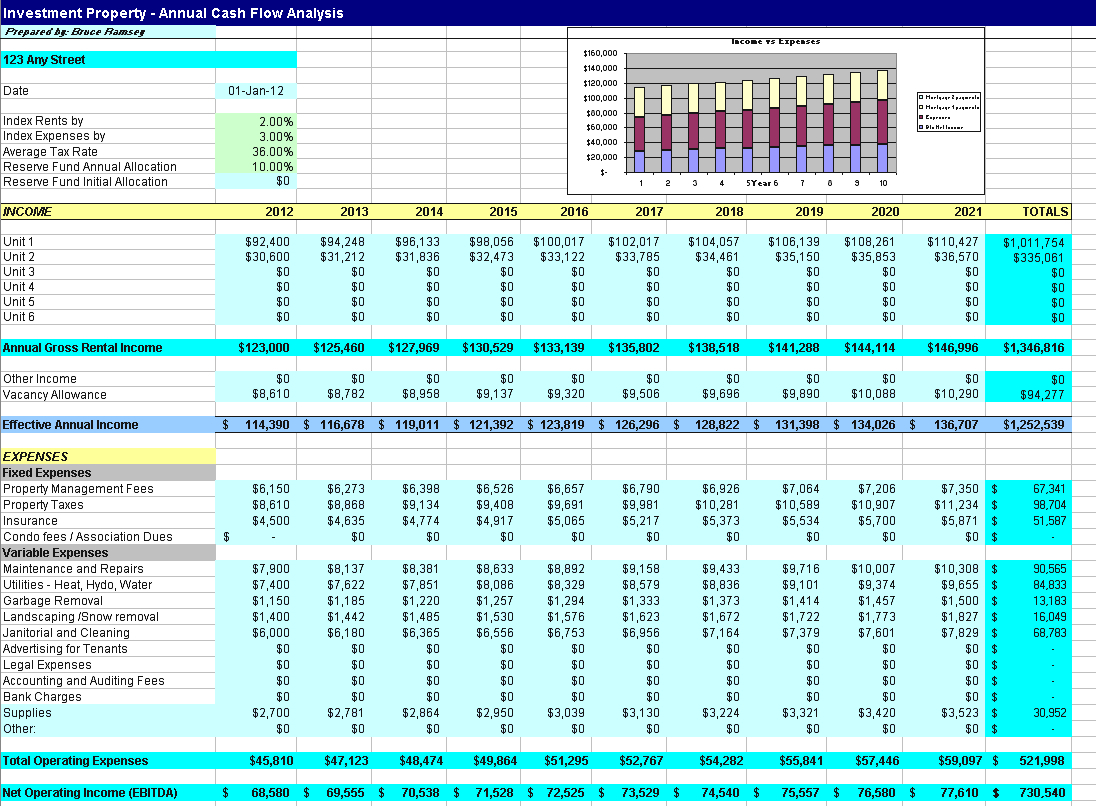
Cash Flow Report: This template focuses on the movement of cash within the portfolio. It tracks inflows and outflows, providing insights into liquidity and investment returns.
Customized Reports: Many firms offer the ability to create custom reports tailored to specific investment strategies or client needs. This allows for a highly personalized approach to reporting.
Data Sources for Portfolio Management Reporting
The quality and accuracy of your portfolio management reports depend heavily on the data you use. Reliable data sources are essential. Common sources include:
Brokerage Platforms: Most brokerage platforms provide detailed portfolio data, including holdings, transaction history, and performance metrics.
Investment Management Software: Dedicated portfolio management software often integrates with various data sources and offers advanced reporting capabilities.
Financial Data Providers: Services like Bloomberg, Reuters, and FactSet provide comprehensive financial data, including market data, company financials, and economic indicators.
Internal Data Systems: Many firms maintain their own internal data systems that track portfolio performance and asset allocation.
Third-Party Data Providers: Specialized data providers offer industry-specific data, such as real estate data or commodity prices.
It's crucial to verify the accuracy of data from multiple sources to ensure a complete and trustworthy picture of the portfolio.
Customizing Your Portfolio Management Templates
Once you've selected a template, it's important to customize it to meet your specific needs. This includes:
Defining Key Metrics: Determine which metrics are most relevant to your investment strategy and tailor the template accordingly.
Adding Custom Fields: Add custom fields to track specific data points that are important to your portfolio.
Formatting and Presentation: Format the report in a way that is easy to understand and visually appealing. Use charts and graphs to present data effectively.
Setting Reporting Frequency: Determine how often you need to generate reports (e.g., daily, weekly, monthly).
Automating Reporting: Explore options for automating the report generation process to save time and ensure consistency.
The Role of Data Visualization
Effective data visualization is critical for communicating complex information clearly. Portfolio Management Reporting Templates should incorporate charts and graphs to illustrate key trends and insights. Common visualizations include:
Line Charts: Track portfolio performance over time.
Bar Charts: Compare asset allocation across different categories.
Pie Charts: Show the proportion of assets held in different classes.
Scatter Plots: Identify correlations between different variables.
Heatmaps: Visualize risk levels across different asset classes.
Choosing the right visualization type depends on the data you're presenting and the message you want to convey.
Best Practices for Portfolio Management Reporting
To ensure the effectiveness of your reports, consider these best practices:
Data Integrity: Maintain data integrity by ensuring that data is accurate and reliable.
Regular Review: Review your reports regularly to identify areas for improvement.
Stakeholder Feedback: Solicit feedback from stakeholders to ensure that your reports are meeting their needs.
Compliance: Ensure that your reports comply with all relevant regulations.
Accessibility: Make your reports accessible to all stakeholders, regardless of their technical expertise.
Conclusion
Portfolio Management Reporting Templates are an indispensable tool for portfolio managers, providing a structured and comprehensive approach to data analysis and reporting. By understanding the different types of templates, leveraging reliable data sources, and customizing reports to meet specific needs, portfolio managers can gain a deeper understanding of their portfolios and make more informed decisions. Investing in the right reporting infrastructure is an investment in the long-term success of your investment strategy. As the investment landscape continues to evolve, the importance of robust and well-crafted reporting will only continue to grow. Ultimately, effective portfolio management reporting is about empowering investors to achieve their financial goals.
0 Response to "Portfolio Management Reporting Templates"
Posting Komentar