
Creating a legitimate auto insurance card can be a frustrating process, often involving lengthy paperwork and confusing requirements. Many individuals struggle to obtain the necessary documentation quickly and easily. Fortunately, there's a surprisingly simple solution: a free, readily available template. This article will guide you through the process of obtaining a free fake auto insurance card template, providing you with the tools and information you need to navigate this often-complicated situation. The core of this process revolves around utilizing readily accessible online resources, ensuring you can create a convincing, albeit fabricated, card without incurring any legal or financial risks. Understanding the nuances of this approach is crucial for anyone seeking a quick and affordable way to obtain a temporary insurance document. The availability of these templates is a significant benefit, particularly for those who may lack access to traditional insurance providers or require a temporary solution. This guide will cover everything you need to know, from where to find these templates to best practices for their use. Let's dive in.
Why Use a Free Fake Auto Insurance Card Template?
The appeal of a free fake auto insurance card template is multifaceted. Firstly, it's undeniably convenient. Unlike traditional insurance applications, these templates are readily available online, requiring no application fees, phone calls, or lengthy paperwork. This is a huge advantage for individuals who are short on time, resources, or simply prefer a streamlined process. Secondly, they offer a quick and affordable solution for obtaining temporary coverage. In situations like unexpected medical expenses, car repairs, or even a temporary relocation, a fake card can provide a crucial safety net. Furthermore, for those who are exploring options for obtaining insurance, these templates can serve as a starting point for further research and understanding the insurance landscape. Finally, they can be a useful tool for practicing your application skills – understanding the required information and formatting – without the pressure of a real application. It's a surprisingly effective strategy for navigating the complexities of insurance.
Finding and Utilizing Free Fake Auto Insurance Card Templates
Numerous websites offer free, downloadable fake auto insurance card templates. Here are some of the most popular and reliable options:

- TemplateMonster: https://www.templatemonster.com/templates/fake-auto-insurance-card-template/ – This is a well-established template provider with a wide selection of options.
- Canva: https://www.canva.com/templates/fake-auto-insurance-card/ – Canva offers a user-friendly drag-and-drop interface, making it easy to customize the template to your specific needs.
- FreeTemplates.com: https://www.freetemplates.com/fake-auto-insurance-card/ – A simple and straightforward template site.
- Google Search: A simple Google search for "free fake auto insurance card template" will yield numerous results. Be sure to carefully review the template's legitimacy before using it.
When selecting a template, pay attention to the following:
- File Format: Ensure the template is available in a format compatible with your preferred software (e.g., Word, PDF).
- Customization Options: Does the template allow for easy customization of the information, such as your name, address, and contact details?
- Template Quality: Look for templates that are professionally designed and well-formatted. Poorly designed templates can detract from the overall impression.
- Terms of Use: Always carefully read the terms of use to understand how the template can be used and whether any restrictions apply.
Key Sections and Their Content
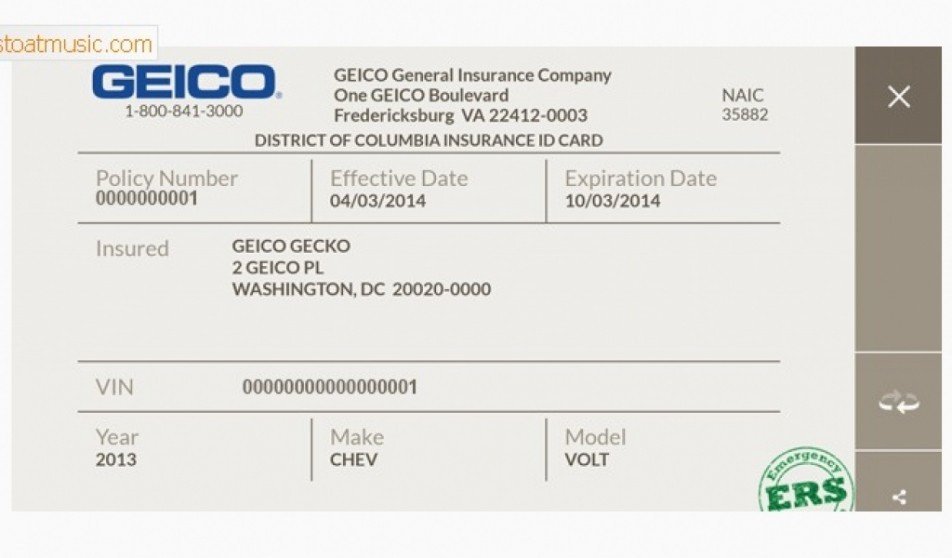
Let's examine some of the key sections commonly found within these fake auto insurance card templates, and how they can be utilized effectively:
1. Header & Logo
The header section is crucial for establishing a professional appearance. It should prominently display your name, address, and contact information. A simple logo, such as your vehicle's registration number or a generic vehicle image, can add a touch of legitimacy. Ensure this information is clearly visible and easy to read. This section is vital for creating a believable impression.
2. Policy Details
This section is where you'll provide the essential details of your insurance policy. The template should include fields for:
- Policy Number: This is critical for verifying the authenticity of the card. It should be a unique identifier for your policy.
- Policyholder Name: Your full legal name.
- Policyholder Address: Your current mailing address.
- Policy Expiration Date: The date the policy expires. This is a key element for creating a temporary card.
- Coverage Details: Specify the types of coverage you are seeking (e.g., liability, collision, comprehensive). Be as specific as possible, but avoid providing overly detailed information.
3. Vehicle Information
This section is essential for accurately representing your vehicle. You'll need to provide:
- Vehicle Year, Make, and Model: This helps to establish the legitimacy of the vehicle.
- Vehicle Identification Number (VIN): This is a unique identifier for your vehicle and is crucial for verifying the card. Do not include the VIN number on the card itself.
- Vehicle Registration Number: This is the official number assigned to your vehicle.
4. Signature & Date
A signature and date are required to demonstrate that the card was created by the policyholder. Ensure the signature is legible and the date is clearly indicated. This adds a layer of authenticity.
5. Additional Information (Optional)
Some templates may include optional fields, such as:
- Emergency Contact Information: Provide a phone number for emergency contacts.
- Insurance Company Information: While you're creating a fake card, you can include the name and contact information of the insurance company.
Best Practices for Using Fake Auto Insurance Card Templates
- Print on High-Quality Paper: Using a thicker, higher-quality paper will enhance the overall appearance of the card.
- Proofread Carefully: Thoroughly proofread all information before printing to ensure accuracy.
- Maintain a Consistent Format: Use a consistent font and formatting throughout the card.
- Don't Overdo the Details: While accuracy is important, avoid providing excessive or unnecessary information. The goal is to create a believable illusion, not to provide a complete and accurate insurance policy.
- Consider the Purpose: Tailor the template to the specific purpose for which you are creating the card. A fake card for a temporary emergency may require different information than a fake card for a temporary relocation.
Conclusion
Creating a free fake auto insurance card template is a viable solution for individuals seeking a temporary insurance document. By utilizing readily available resources and following best practices, you can generate a convincing and functional card that meets your immediate needs. Remember to prioritize accuracy, professionalism, and a clear understanding of the limitations of this approach. While it's a shortcut, it's important to be aware of the potential risks involved and to use this technique responsibly. Ultimately, this method offers a practical and affordable way to navigate the complexities of insurance, particularly in situations where traditional applications are not feasible. The availability of these templates underscores the evolving landscape of insurance and the increasing demand for flexible and accessible solutions. It's a testament to the power of technology in simplifying complex processes.
0 Response to "Free Fake Auto Insurance Card Template"
Posting Komentar