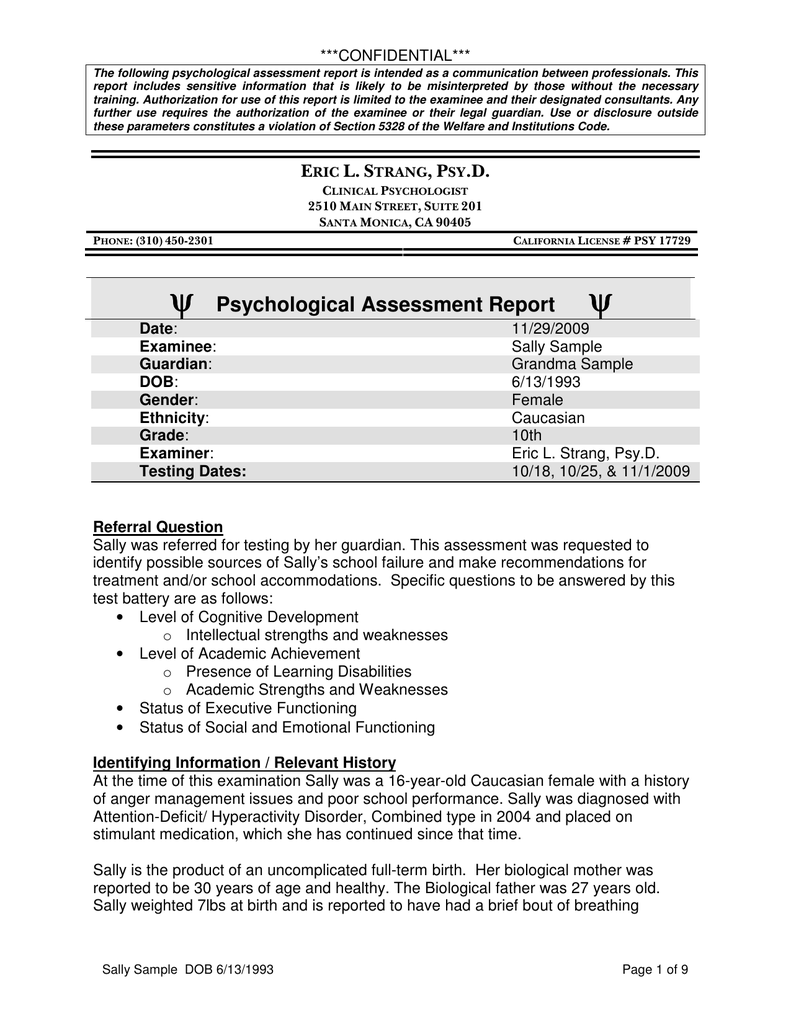
The escalating needs of students within the educational system demand a robust and systematic approach to understanding and supporting their challenges. A crucial component of this approach is the School Psychologist Report Template – a standardized document designed to comprehensively document a student's psychological functioning, strengths, and areas requiring intervention. This template provides a framework for educators, parents, and professionals to effectively assess and address student needs, ultimately contributing to improved academic performance, social-emotional well-being, and overall development. Understanding the purpose and structure of this template is paramount for ensuring consistent and effective support for students. This article will delve into the key elements of a School Psychologist Report Template, exploring its significance and providing practical guidance on its creation and utilization. The core focus is on equipping readers with the knowledge to effectively utilize this vital tool.
The Importance of School Psychologist Reports
The role of a School Psychologist is evolving, moving beyond simply diagnosing and treating mental health conditions to proactively identifying and addressing potential issues before they significantly impact a student's learning and social life. Early identification and intervention are significantly more effective than addressing problems later. A well-structured School Psychologist Report Template allows for a holistic assessment, considering various factors – academic, behavioral, social-emotional, and family dynamics – to paint a complete picture of the student's needs. Without a standardized approach, assessment can be inconsistent, leading to delayed or inappropriate interventions. Furthermore, the report serves as a valuable tool for informing instructional strategies, parent-teacher communication, and collaborative planning, fostering a supportive and responsive learning environment. The consistent application of this template promotes accountability and ensures that all stakeholders are working towards the same goals – the student's success.

Key Components of a School Psychologist Report Template
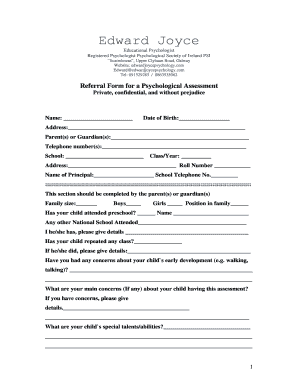
A comprehensive School Psychologist Report Template typically includes several key sections, each addressing a specific aspect of the student's profile. The specific content and format may vary slightly depending on the school district and individual needs, but the core elements remain consistent. Here's a breakdown of the essential components:
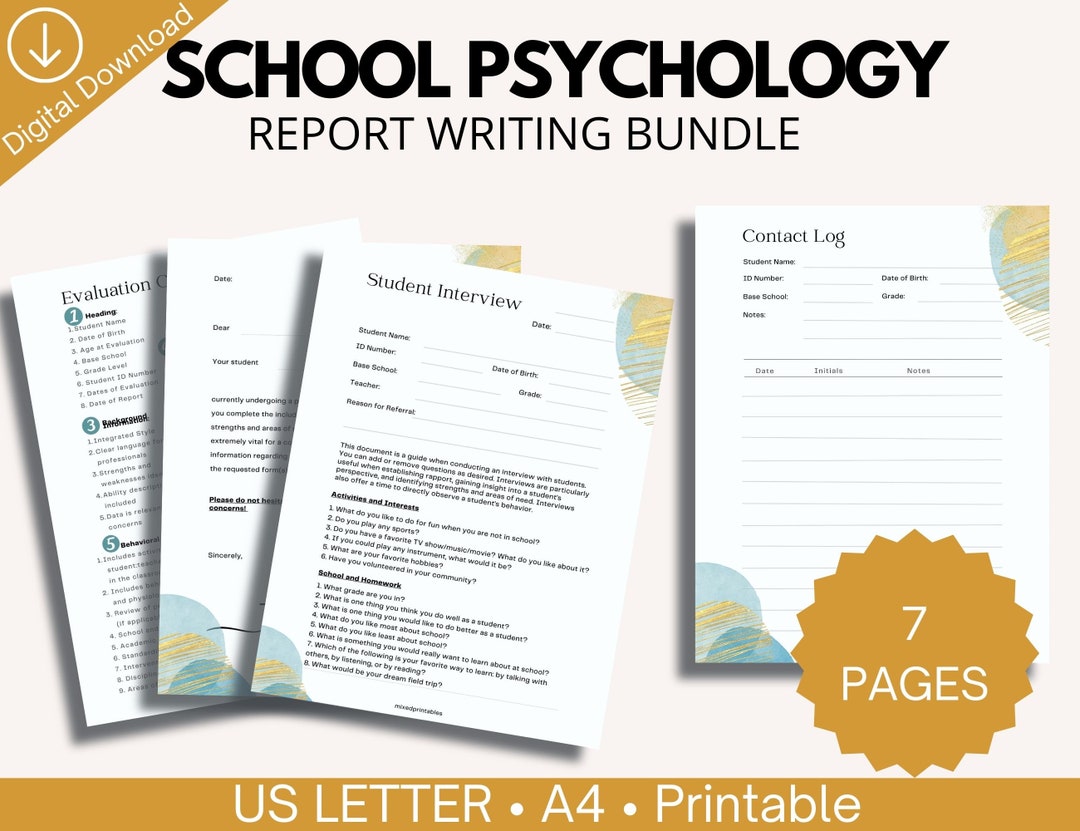
1. Student Demographics and Background
This section gathers basic information about the student, including:
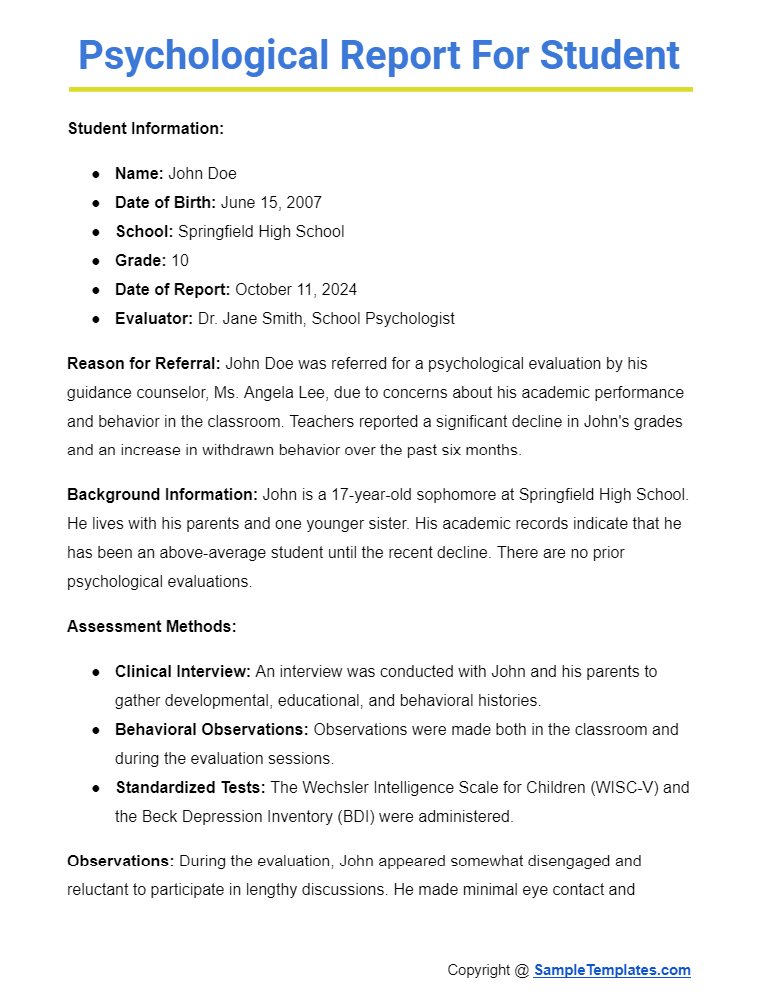
- Student Name: Full name for easy identification.
- Date of Birth: Crucial for age-related considerations.
- Grade Level: Important for understanding developmental stages.
- School Attendance Record: Tracking attendance patterns is vital.
- Family Background Information: Briefly outlining family structure, socioeconomic status, and potential stressors. This section should be sensitive and avoid overly intrusive questions.
- Medical History: Including any relevant medical conditions or medications.
2. Academic Performance
This section assesses the student's academic strengths and challenges:

- Current Grades: Detailed record of grades across all subjects.
- Academic Goals: Identifying the student's aspirations and areas of interest.
- Learning Style: Understanding how the student best absorbs information (e.g., visual, auditory, kinesthetic).
- Specific Academic Difficulties: Identifying any areas where the student struggles (e.g., reading comprehension, math skills, organization).
- Progress Monitoring Data: Including data from standardized tests, quizzes, and classroom assessments.
3. Behavioral Observations
This section focuses on the student's behavior and emotional state:
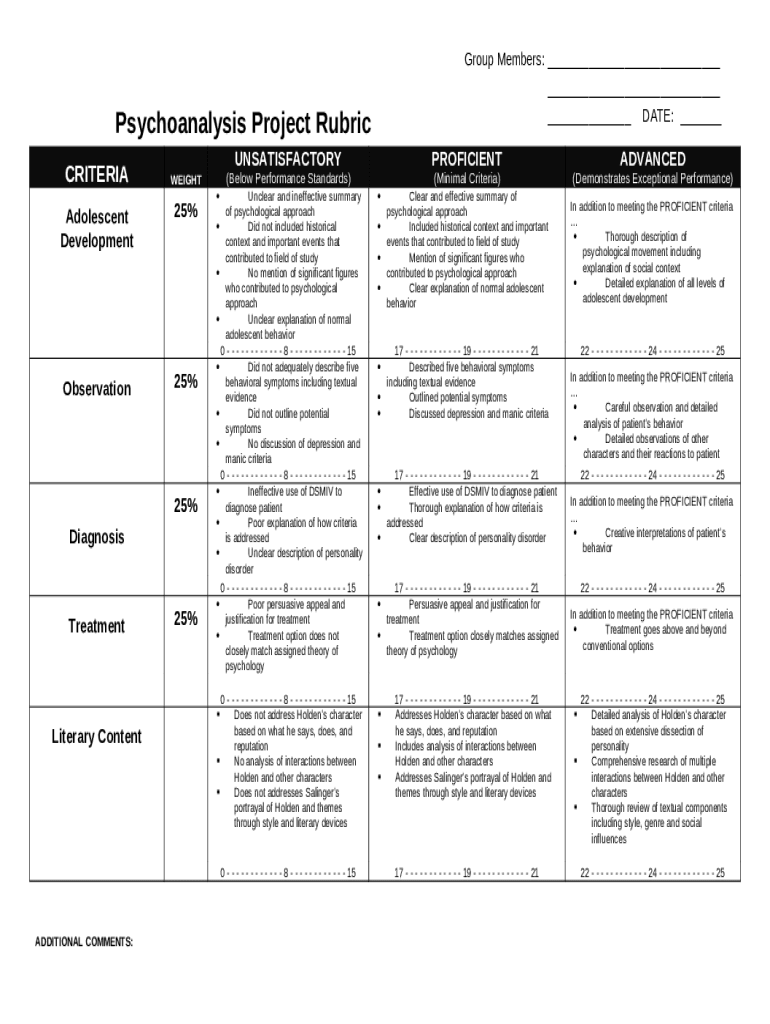
- Behavioral Patterns: Detailed description of the student's behavior, including frequency, duration, and intensity.
- Emotional Expression: Observing and documenting the student's emotional responses (e.g., happiness, sadness, anger, anxiety).
- Social Interactions: Analyzing the student's interactions with peers and adults.
- Self-Regulation Skills: Assessing the student's ability to manage their emotions and impulses.
- Conflict Resolution Skills: Evaluating the student's approach to resolving disagreements.
4. Social-Emotional Well-being
This section explores the student's social and emotional health:
- Self-Esteem: Assessing the student's sense of self-worth and confidence.
- Social Support: Identifying the student's relationships with family, friends, and other adults.
- Sense of Belonging: Understanding the student's feeling of connection and acceptance.
- Anxiety and Depression Symptoms: Identifying any signs of anxiety or depression.
- Trauma History: Exploring any past trauma that may be impacting the student's well-being.
5. Family Dynamics
This section examines the family's role in the student's life:
- Parental Involvement: Assessing the level of parental support and engagement.
- Family Communication Patterns: Analyzing how the family communicates and resolves conflicts.
- Family Stressors: Identifying any significant stressors impacting the family (e.g., financial difficulties, domestic violence, substance abuse).
- Parental Mental Health: Understanding the parents' mental health status and its potential impact on the student.
Utilizing the School Psychologist Report Template Effectively
Creating a truly effective School Psychologist Report Template requires careful consideration and thoughtful documentation. It's not simply a collection of observations; it's a structured framework for understanding the student's unique needs. Here are some key tips:
- Be Specific: Avoid vague generalizations. Provide concrete examples and detailed observations.
- Use Objective Language: Focus on observable behaviors and facts, rather than subjective interpretations.
- Maintain Confidentiality: Protect the student's privacy and adhere to all relevant confidentiality regulations.
- Collaborate with Stakeholders: Involve parents, teachers, and other professionals in the assessment process.
- Regularly Review and Update: The student's needs may change over time, so it's important to regularly review and update the report.
Conclusion
The School Psychologist Report Template is an indispensable tool for supporting student well-being and academic success. By providing a structured and comprehensive assessment of a student's psychological functioning, this template empowers educators, parents, and professionals to proactively address challenges and create a positive and supportive learning environment. Investing in the creation and utilization of a robust Template is a critical step towards ensuring that all students have the opportunity to reach their full potential. The consistent application of this template, coupled with ongoing collaboration and individualized support, will undoubtedly contribute to a brighter future for countless students. Remember, the goal is not just to identify problems, but to equip students with the skills and resources they need to thrive.
0 Response to "School Psychologist Report Template"
Posting Komentar