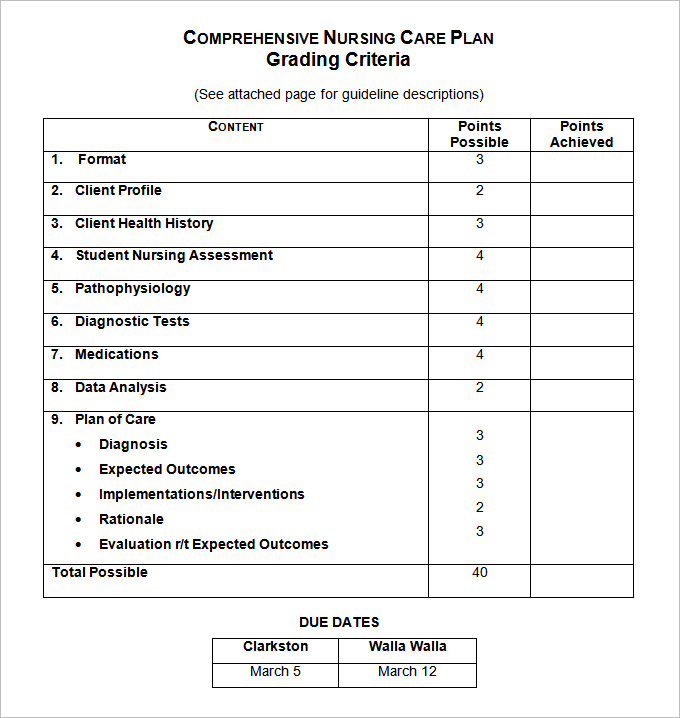
Nursing care plans are indispensable tools in healthcare, providing a structured framework for assessing patient needs, developing interventions, and monitoring outcomes. They're more than just documents; they're vital communication tools between healthcare providers and patients, ensuring coordinated and effective care. Nursing Care Plan Template Word is a readily available resource designed to streamline this process, offering a clear and organized way to document patient assessments and treatment plans. This article will explore the key components of a robust nursing care plan, its benefits, and how to effectively utilize a template to improve patient safety and satisfaction. Understanding the nuances of these plans is crucial for nurses, physicians, and other healthcare professionals. Let's delve into how to create and utilize a nursing care plan template word effectively.
Understanding the Core Components of a Nursing Care Plan
A well-structured nursing care plan goes beyond simply listing observations. It's a detailed account of a patient's condition, including their history, current symptoms, and anticipated needs. It's a collaborative effort, requiring input from the patient, family, and other healthcare team members. The core components typically include:
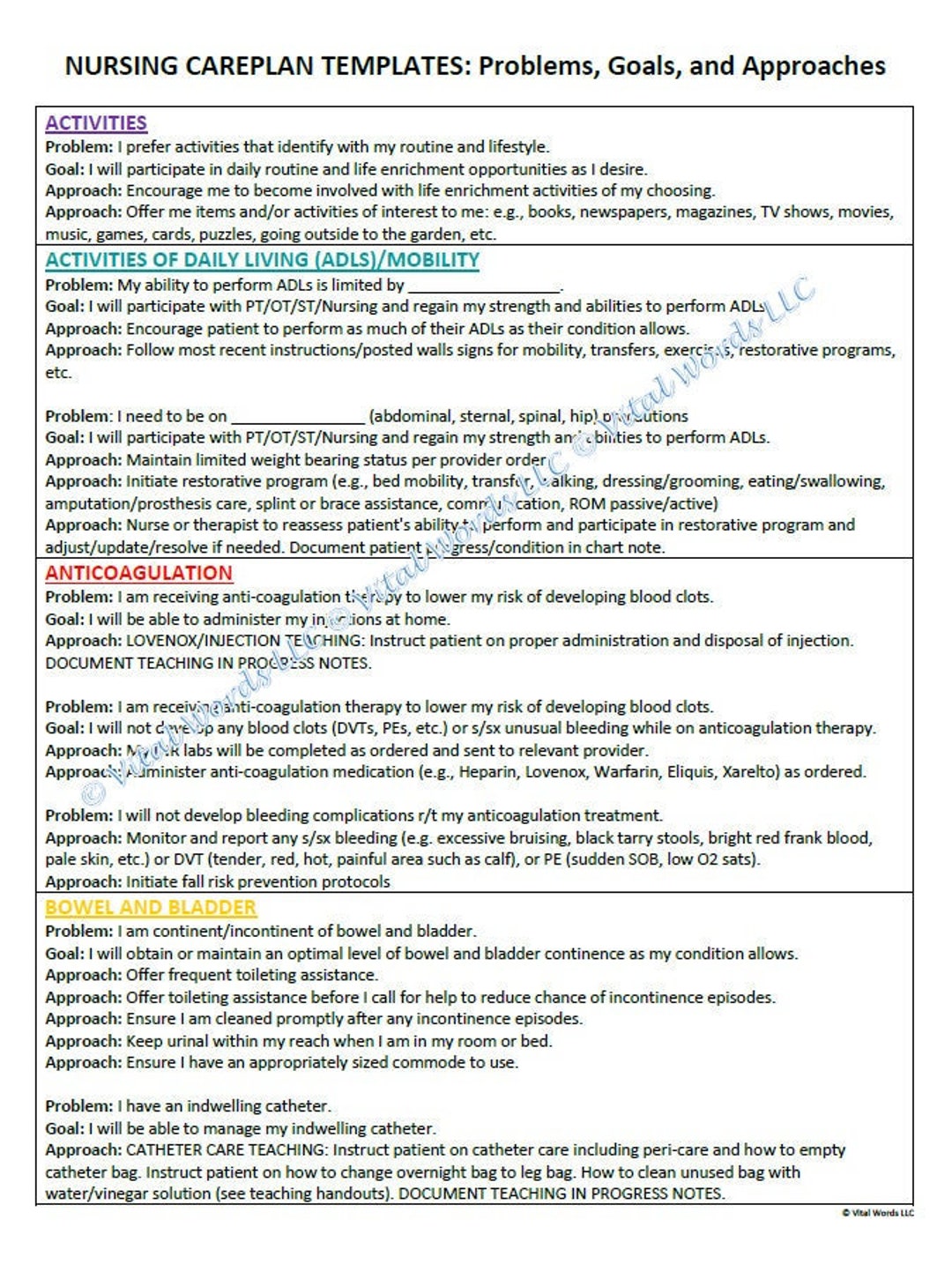
- Patient Assessment: This section details the patient's physical, psychological, and social needs. It includes vital signs, medical history, allergies, medications, and any relevant observations.
- Problem List: A clear and concise list of the patient's current health problems, categorized by severity.
- Goals: Specific, measurable, achievable, relevant, and time-bound (SMART) goals are established to address the patient's needs.
- Interventions: These are the specific actions taken to achieve the goals. This includes medications, therapies, procedures, and patient education.
- Evaluation: This section outlines how the plan will be monitored and evaluated to determine if the goals have been met. It includes frequency of assessments and potential adjustments.
The Importance of a Robust Nursing Care Plan
The benefits of utilizing a nursing care plan template word are numerous. Firstly, it promotes communication among healthcare providers, reducing misunderstandings and errors. Secondly, it facilitates evidence-based decision-making, ensuring that care is tailored to the individual patient's needs. Thirdly, it improves patient safety by proactively addressing potential risks and complications. Furthermore, a well-documented care plan allows for tracking progress and identifying areas for improvement. Finally, it provides a valuable resource for documentation and legal protection. Without a clear plan, it's difficult to demonstrate the care provided and ensure accountability.
Section 1: Patient Assessment – A Detailed Look
The initial phase of a nursing care plan is dedicated to a thorough patient assessment. This is not just a cursory glance; it's a systematic process of gathering information to understand the patient's current state. Key elements include:
- History of Present Illness (HPI): This section captures the patient's current complaints, including onset, duration, location, character, aggravating and alleviating factors, and associated symptoms. For example, "Patient reports experiencing chest pain radiating to the left arm for the past 3 hours, exacerbated by exertion."
- Past Medical History (PMH): A review of the patient's previous medical conditions, surgeries, hospitalizations, and relevant medical procedures. This includes allergies to medications, blood type, and any known immunizations.
- Medications: A complete list of all medications, including dosage, frequency, route of administration, and reason for use. It's crucial to note any potential drug interactions.
- Social History: This section explores the patient's lifestyle, including occupation, living situation, support system, and social activities. Factors like smoking, alcohol consumption, and drug use can significantly impact health outcomes.
- Family History: Information about the patient's family's medical history, particularly any relevant conditions or illnesses.
Nursing Care Plan Template Word emphasizes the importance of detailed and accurate assessment data. A thorough assessment provides the foundation for developing a targeted and effective care plan. Remember to document everything – even seemingly minor observations can be crucial.
Section 2: Problem List – Identifying Key Health Concerns
The problem list is a critical component of the nursing care plan. It identifies the patient's specific health concerns, categorized for clarity. Common categories include:
- Neurological: Headaches, dizziness, weakness, numbness, seizures.
- Respiratory: Shortness of breath, cough, wheezing, sputum production.
- Cardiovascular: Palpitations, chest pain, edema, abnormal heart sounds.
- Gastrointestinal: Nausea, vomiting, diarrhea, constipation, abdominal pain.
- Skin: Pressure ulcers, rashes, infections, wounds.
- Psychosocial: Anxiety, depression, loneliness, cognitive impairment.
Nursing Care Plan Template Word allows for the creation of a customized problem list tailored to each patient's individual needs. It's important to prioritize problems based on severity and potential impact on the patient's well-being. Regularly reviewing and updating the problem list is essential to ensure that the care plan remains relevant.
Section 3: Goals – Setting SMART Objectives
Goals are the cornerstone of a successful nursing care plan. They should be SMART:
- Specific: Clearly defined and focused.
- Measurable: Quantifiable, allowing for tracking progress.
- Achievable: Realistic and attainable given the patient's capabilities.
- Relevant: Aligned with the patient's overall health goals.
- Time-bound: With a defined timeframe for completion.
Example Goal: "Patient will demonstrate improved mobility by walking 10 meters independently within 30 minutes, as measured by a standardized gait assessment, within 2 weeks."
Nursing Care Plan Template Word provides a structured framework for setting and monitoring goals. It's crucial to involve the patient in the goal-setting process to foster engagement and promote adherence.
Section 4: Interventions – Actionable Steps
This section outlines the specific interventions that will be implemented to achieve the goals. Interventions can include:
- Medications: Prescription medications, dosage adjustments, and monitoring for side effects.
- Therapies: Physical therapy, occupational therapy, speech therapy, or other specialized treatments.
- Patient Education: Providing information about the patient's condition, treatment plan, and self-care strategies.
- Monitoring: Regular assessments of vital signs, symptoms, and progress towards goals.
- Lifestyle Modifications: Recommendations for diet, exercise, and stress management.
Nursing Care Plan Template Word emphasizes the importance of documenting all interventions clearly and concisely. It's vital to consider potential complications and adjust interventions as needed.
Section 5: Evaluation – Monitoring and Adjustment
Evaluation is a continuous process that monitors the patient's response to the care plan. It involves:
- Regular Assessments: Monitoring vital signs, symptoms, and progress towards goals.
- Data Collection: Collecting data through patient reports, observation, and laboratory tests.
- Analysis: Analyzing the data to determine if the goals are being met.
- Adjustments: Modifying the care plan as needed to address any challenges or complications.
Nursing Care Plan Template Word provides a framework for systematically evaluating the effectiveness of the care plan. It's essential to document all evaluation findings and make necessary adjustments to ensure optimal patient outcomes.
Conclusion
A well-constructed nursing care plan template word is an invaluable asset for healthcare professionals. It promotes clear communication, facilitates evidence-based decision-making, enhances patient safety, and improves overall care delivery. By understanding the core components of a care plan and utilizing a structured template, healthcare providers can effectively manage patient needs and achieve positive health outcomes. Remember that a nursing care plan is not a static document; it's a dynamic tool that should be regularly reviewed and updated to reflect the patient's evolving needs. Continuous monitoring and adaptation are key to providing the best possible care.
0 Response to "Nursing Care Plan Template Word"
Posting Komentar