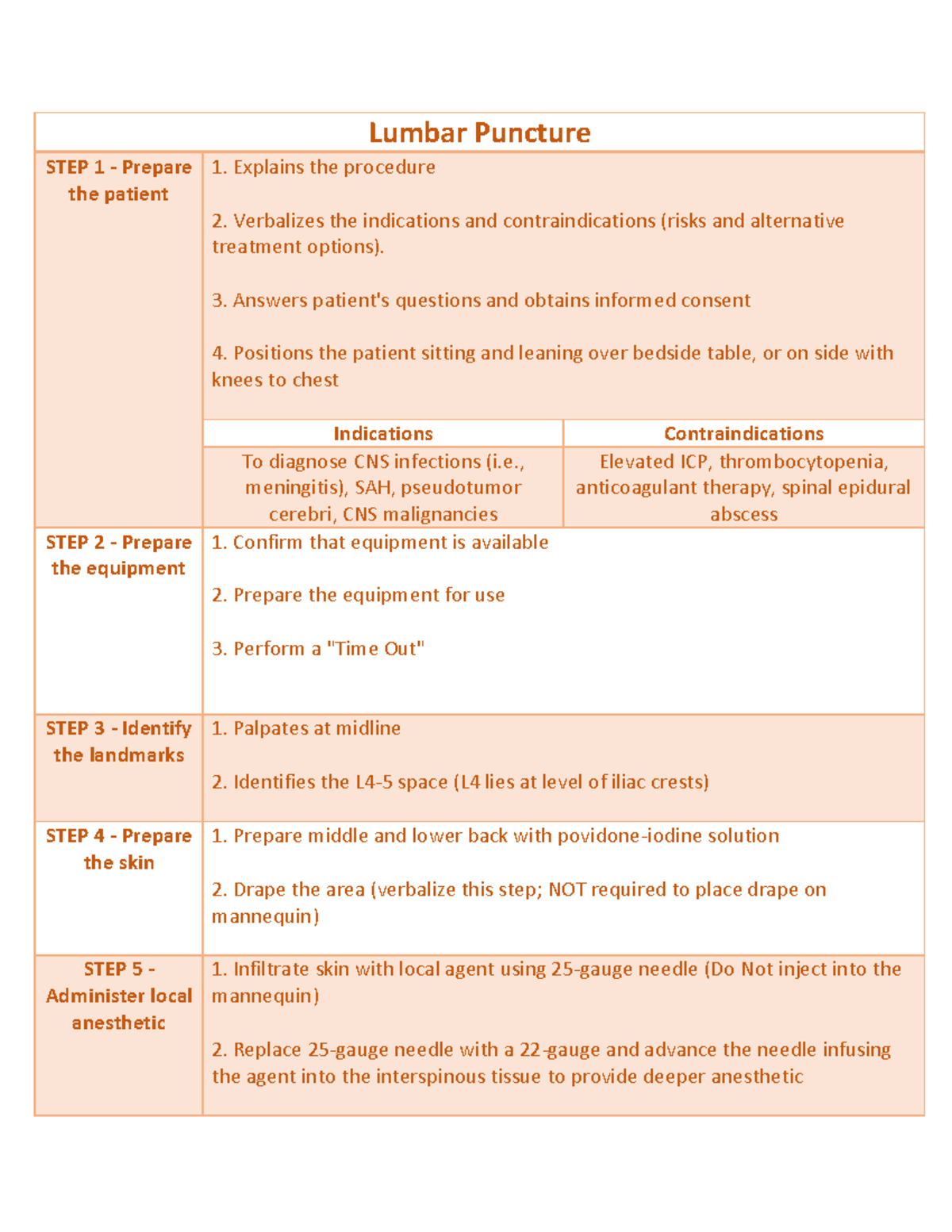
The lumbar puncture procedure is a critical step in diagnosing and managing various neurological conditions. It involves collecting cerebrospinal fluid (CSF) from the lumbar spine to analyze its composition and provide valuable diagnostic information. This detailed template serves as a guide for healthcare professionals, ensuring consistency and accuracy in documenting the procedure. A well-structured note is essential for effective patient care and informed decision-making. Understanding the nuances of this procedure is paramount for both clinicians and patients. This template provides a framework for recording key observations, findings, and any complications encountered during the lumbar puncture. It's designed to be adaptable to different clinical scenarios, promoting clear communication and facilitating timely treatment planning. The core purpose of this template is to standardize the process, minimizing variability and ensuring a consistent record of the procedure's outcome. Lumbar Puncture Procedure Note Template – a vital tool for accurate patient care.
Initial Assessment and Patient Preparation
Before commencing the lumbar puncture, a thorough assessment of the patient is crucial. This includes identifying potential contraindications to the procedure, such as recent surgery, bleeding disorders, or recent antibiotic use. The healthcare provider should carefully review the patient's medical history, including any allergies, medications, and previous neurological events. It's vital to obtain informed consent from the patient, explaining the procedure's purpose, potential risks, and benefits. The patient's comfort level should be assessed, and they should be informed of their right to refuse the procedure at any time. Proper patient preparation is essential for a safe and successful procedure. This includes ensuring the patient is seated comfortably, with the legs slightly elevated to minimize blood pooling. A thorough hand hygiene protocol must be followed meticulously to prevent infection. The healthcare provider should also ensure the operating room is properly sterilized and that all necessary equipment is readily available. The use of appropriate personal protective equipment (PPE), including gloves, gowns, and masks, is mandatory to protect both the healthcare provider and the patient. Finally, a brief explanation of the procedure's purpose and what to expect is beneficial for patient understanding and reducing anxiety.
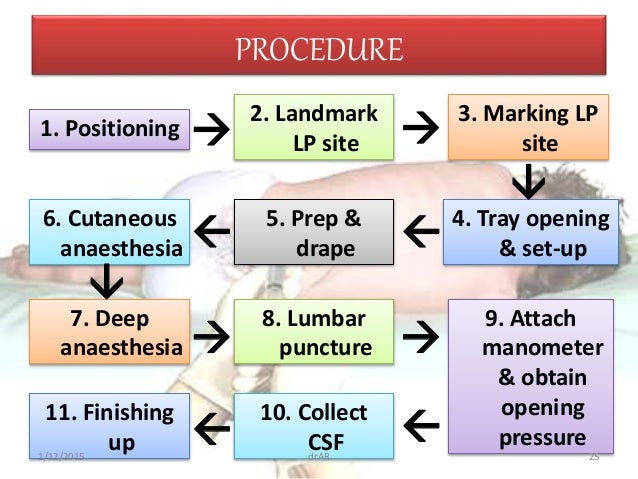
Procedure Details – Step-by-Step
The lumbar puncture procedure typically involves the following steps:

- Patient Positioning: The patient is positioned supine (lying on their back) with the head slightly elevated. This helps to minimize blood pooling in the lower spinal cord.
- Local Anesthesia: A local anesthetic, such as lidocaine, is injected into the space surrounding the spinal cord. The depth of the injection is carefully determined based on the patient's size and the anticipated volume of CSF. The anesthetic should be administered slowly and steadily to minimize discomfort.
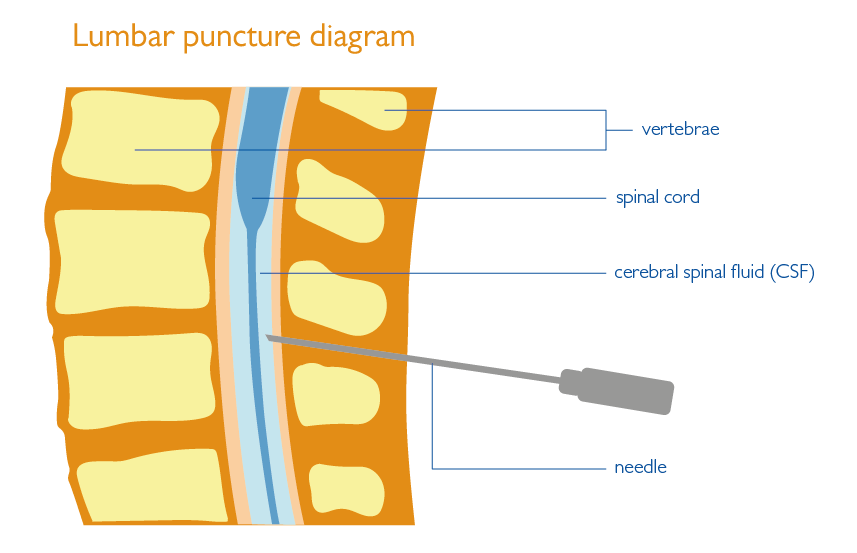
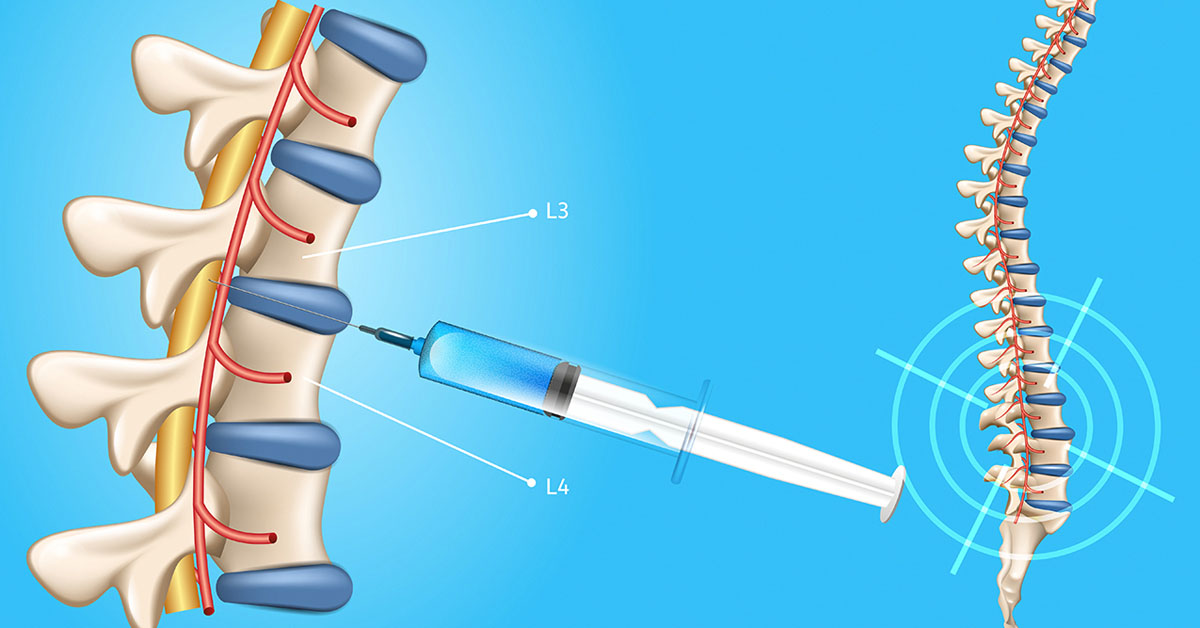
- Insertion of the Catheter: A lumbar needle, typically 21-23 gauge, is inserted into the spinal canal. The needle is inserted with a gentle, controlled motion, avoiding excessive trauma to the spinal cord. The needle is advanced slowly, allowing the CSF to flow into the collection container.
- CSF Collection: The CSF is collected in a sterile collection container, typically a glass tube or a specialized collection bag. The container is sealed immediately to prevent contamination. The collection rate is carefully monitored to ensure adequate CSF volume is collected without causing excessive pressure.
- Confirmation of Collection: The collection container is checked for proper volume and to ensure the CSF is flowing freely. The healthcare provider should visually inspect the CSF for any abnormalities, such as blood or pus.
- Monitoring: The patient is monitored for any adverse reactions, such as pain, fever, or neurological deficits. Vital signs, including blood pressure, heart rate, and respiratory rate, are continuously monitored.
Analyzing the CSF – Identifying Findings
The CSF obtained during the lumbar puncture should be analyzed to identify potential abnormalities. Commonly assessed parameters include:

- Cell Count: The number of white blood cells (WBCs) in the CSF can indicate inflammation or infection. Elevated WBC counts are often associated with meningitis or encephalitis.
- Protein Level: The protein concentration in the CSF can reflect inflammation or other conditions affecting the cerebrospinal fluid.
- Glucose Level: The glucose level in the CSF is a crucial indicator of neurological status. Low glucose levels can suggest meningitis or other inflammatory processes.
- Gram Stain and Culture: A Gram stain and culture of the CSF are performed to identify bacteria, fungi, or parasites. This is particularly important in cases of suspected meningitis or other infectious etiologies.
- Blood Cell Count: The blood cell count in the CSF can reveal signs of bleeding or other vascular abnormalities.
- Specific Antibody Tests: Antibody tests can be performed to detect antibodies against various pathogens, aiding in diagnosis and monitoring treatment.
- Neurotransmitter Levels: Levels of certain neurotransmitters, such as serotonin and dopamine, can be assessed to evaluate neurological function.
Potential Complications and Management
While lumbar punctures are generally safe, complications can occur. These may include:
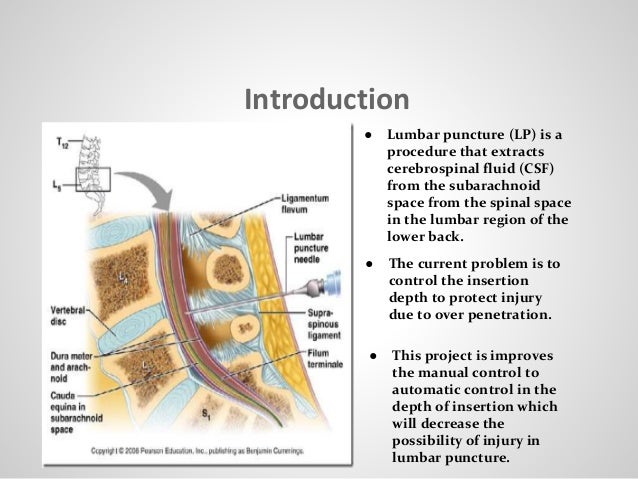
- Spinal Cord Injury: Rarely, the needle can cause spinal cord injury, leading to permanent neurological deficits.
- Bleeding: Bleeding from the spinal canal can occur, requiring intervention.
- Infection: Infection of the CSF can lead to meningitis or encephalitis.
- Hydrocephalus: Excessive CSF production can lead to hydrocephalus, a condition where the ventricles of the brain become enlarged.
Appropriate management of complications is essential. This may involve administering antibiotics, controlling bleeding, or providing supportive care. Prompt recognition and treatment of complications are critical for patient safety. Documentation of any complications encountered during the procedure is vital for subsequent patient care.

Conclusion
The lumbar puncture procedure is a valuable diagnostic tool for evaluating neurological conditions. By following a standardized protocol and carefully analyzing the CSF, healthcare professionals can obtain critical information about the patient's neurological status. This template provides a framework for documenting the procedure, ensuring consistency and accuracy. Regular training and competency assessments are essential for all healthcare providers performing lumbar punctures. Ultimately, the goal is to provide timely and accurate diagnoses, leading to appropriate treatment and improved patient outcomes. The consistent application of this template contributes significantly to the overall quality of patient care. Lumbar Puncture Procedure Note Template – a cornerstone of neurological assessment.
Conclusion
The lumbar puncture procedure is a critical diagnostic tool, offering invaluable insights into neurological conditions. A meticulously documented note, adhering to the guidelines outlined in this template, is paramount for accurate patient care and effective treatment planning. Continuous training and adherence to established protocols are essential for ensuring the safety and efficacy of this procedure. Proper patient preparation, meticulous technique, and thorough analysis of the CSF are all critical components of a successful lumbar puncture. The ability to accurately record observations and findings contributes directly to improved patient outcomes and a more informed medical practice. The template's emphasis on standardization and detail ensures that each procedure is performed with the utmost care and precision, ultimately benefiting the patient.
0 Response to "Lumbar Puncture Procedure Note Template"
Posting Komentar