Flashcard Template Word – A Comprehensive Guide for Educators and Learners
The world of education is constantly evolving, and one of the most effective tools for enhancing learning is the flashcard. Flashcards, in their simplest form, are visual memory aids that present information in a concise, question-and-answer format. They've become a staple in classrooms, study groups, and even personal learning journeys. At the heart of this ubiquitous tool lies the flashcard template – a versatile and customizable structure that allows for a multitude of learning styles and content types. This article will delve into the world of flashcard templates, exploring their benefits, different types, creation methods, and how to effectively utilize them to boost your learning and teaching. Understanding the power of a well-designed flashcard template is crucial for anyone seeking to improve their knowledge retention and understanding. Let's explore how to craft a template that truly works for you.
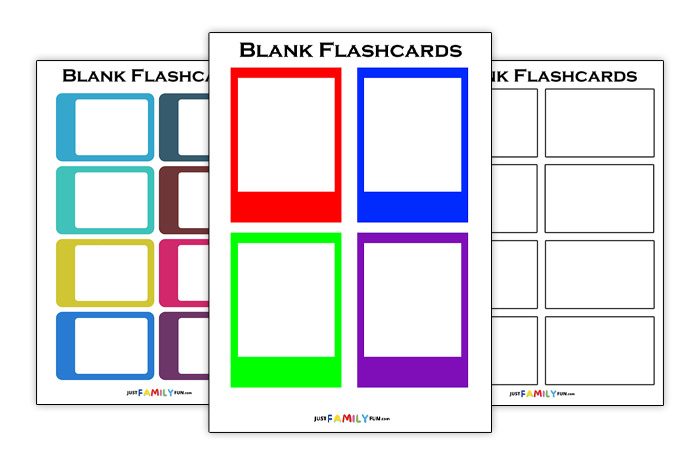
The core concept behind flashcards is simple: you present a question or prompt on one side of the card and the answer or explanation on the other. This immediate comparison forces the learner to actively recall the information, strengthening memory and comprehension. The effectiveness of flashcards isn't just about rote memorization; it's about creating a powerful cognitive process that promotes deeper understanding and long-term retention. Furthermore, flashcards are incredibly adaptable. They can be tailored to various subjects, learning styles, and even individual needs. They're a fantastic tool for reviewing key concepts, practicing problem-solving, and preparing for exams. The ability to quickly and easily access information is a significant advantage, making flashcards an invaluable resource for anyone seeking to improve their academic performance or professional skills. The very existence of the "Flashcard Template Word" suggests a desire for a structured and easily adaptable approach – a desire that is perfectly aligned with the functionality of flashcards themselves.
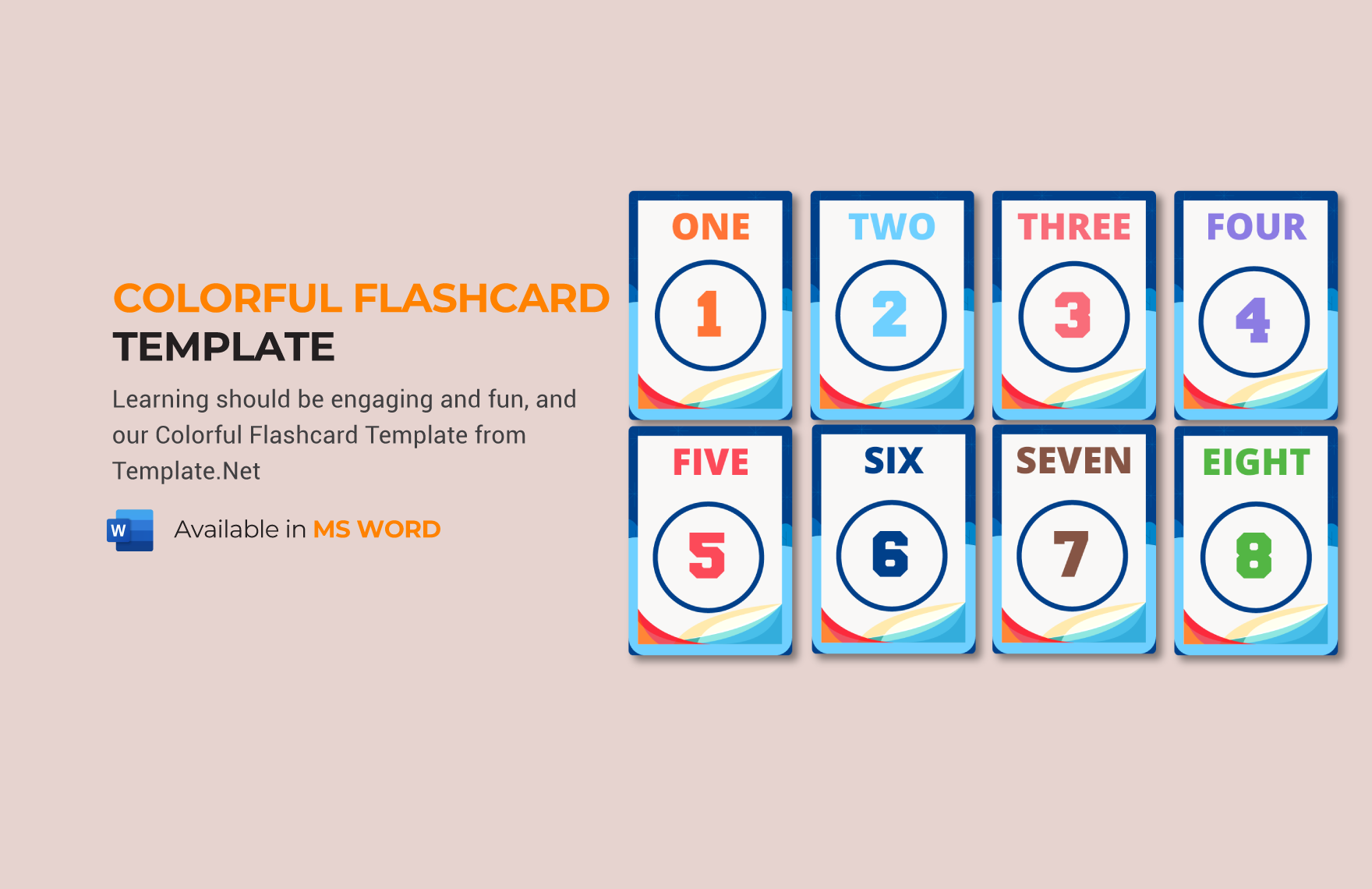
Types of Flashcard Templates
There's a surprising variety of flashcard templates available, each offering a slightly different approach to organization and functionality. Choosing the right template depends largely on the type of information you're presenting and the learning objectives. Here are a few popular options:
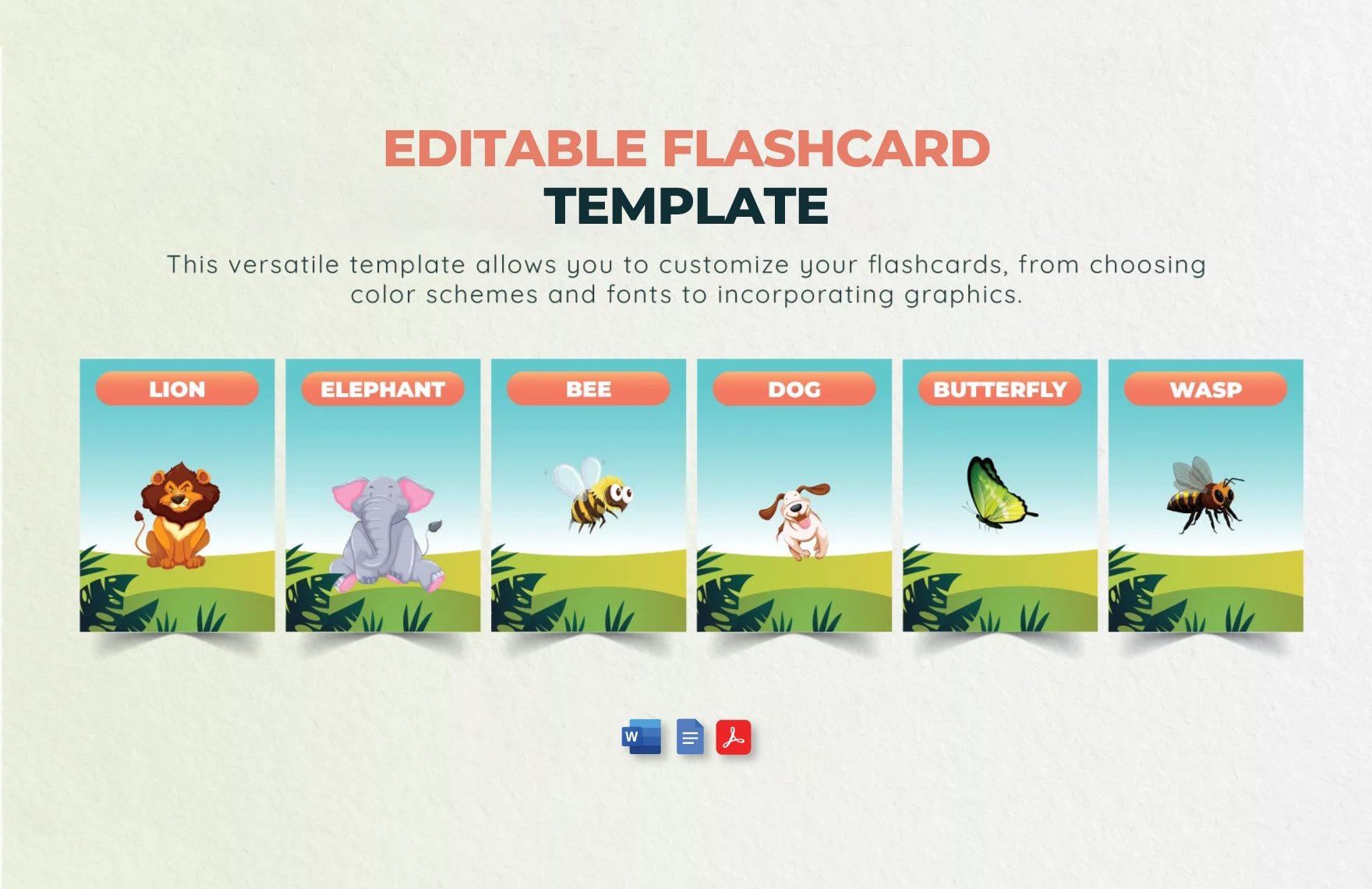
Traditional Flashcards
The most basic type of flashcard is a traditional card with a question on one side and an answer on the other. These are often used for basic recall and testing. They're simple to create and understand, making them a great starting point for anyone new to flashcards.
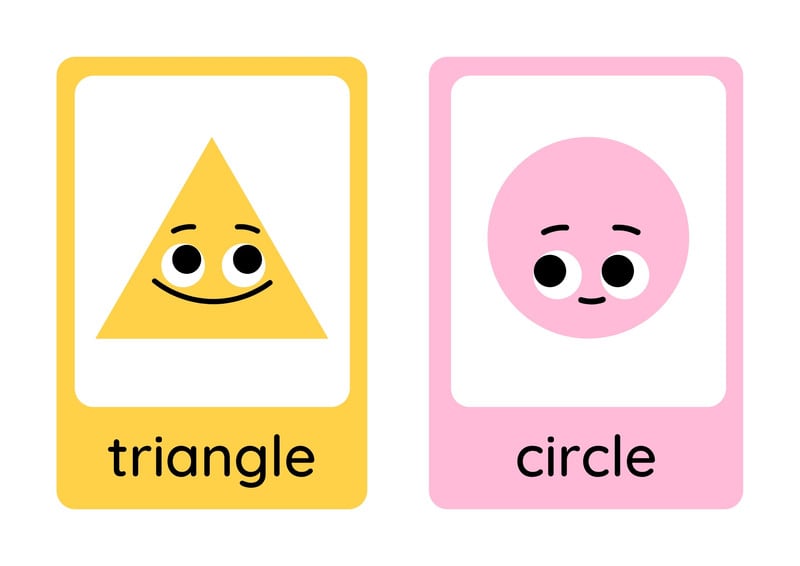
Multiple Choice Flashcards
These flashcards present a question and a set of multiple-choice answers. The learner must select the correct answer from the provided options. They're excellent for assessing understanding of factual information and testing knowledge of specific concepts.

Fill-in-the-Blank Flashcards
These flashcards require the learner to complete a sentence or phrase with the correct information. They're particularly useful for practicing grammar, vocabulary, and sentence structure.
Matching Flashcards
Matching flashcards present two sets of cards – one with items to match and one with corresponding items. This is a fantastic tool for reinforcing vocabulary and concepts.
Concept Mapping Flashcards
These flashcards go beyond simple recall and encourage learners to visually represent relationships between concepts. They often include diagrams and connections to stimulate deeper thinking.
Creating Your Own Flashcard Template
Ready to build your own flashcard template? Here's a step-by-step guide:
Define Your Objective: What are you trying to teach or assess? This will dictate the type of flashcard you need. Are you focusing on definitions, formulas, historical events, or something else?
Choose Your Content: Select the information you want to present. This could be a single concept, a set of related facts, or a complex problem.
Select Your Format: Decide on the type of flashcard you want to create. Consider the complexity of the information and the learning style of your audience.
Design the Card: Create the card with a clear question or prompt on one side and the answer or explanation on the other. Use a legible font and sufficient space for writing.
Consider Visuals: Adding images, diagrams, or even short illustrations can significantly enhance engagement and understanding.
Test Your Flashcards: Before using your flashcards, test them out with a small group to ensure they are clear and effective. Get feedback from others to identify areas for improvement.
Utilizing Flashcards Effectively
Once you've created your flashcard template, it's crucial to use them effectively. Here are some tips for maximizing their impact:
Spaced Repetition: Review flashcards at increasing intervals. This is a proven technique for long-term retention. Apps like Anki are specifically designed for spaced repetition.
Active Recall: Don't just passively read the answer. Force yourself to recall the information before looking at the answer.
Mix It Up: Don't just rely on flashcards for every question. Vary the types of questions you ask to keep your brain engaged.
Use Different Colors: Different colors can help differentiate between question and answer, making it easier to scan and recall information.
Take Breaks: Regular breaks are essential for maintaining focus and preventing mental fatigue.
The Power of the Flashcard Template – A Long-Term Investment
The benefits of using flashcards extend far beyond simple memorization. They are a powerful tool for fostering a deeper understanding of concepts, improving critical thinking skills, and enhancing overall learning. The consistent application of flashcards, combined with spaced repetition techniques, can dramatically improve your ability to retain information and apply it to real-world situations. Furthermore, the customizable nature of flashcards allows you to tailor them to your specific needs and learning style, creating a truly personalized learning experience. Investing time in creating and utilizing a well-designed flashcard template is an investment in your own intellectual growth.
Conclusion
Flashcard Template Word – A Powerful Learning Tool
From traditional to multiple-choice, fill-in-the-blank, and matching formats, the flashcard template offers a versatile and adaptable approach to learning and assessment. The key to maximizing its effectiveness lies in thoughtful design, consistent review, and active recall. By understanding the principles behind flashcards and utilizing them strategically, you can unlock a powerful cognitive advantage and significantly improve your knowledge retention and understanding. The "Flashcard Template Word" itself is a testament to the enduring value of this simple yet profound learning tool. Embrace the power of flashcards and watch your learning capabilities soar. Consider exploring apps like Anki to further enhance your flashcard strategy and achieve optimal learning outcomes. The future of learning is undoubtedly intertwined with the continued evolution and refinement of flashcard technology.
0 Response to "Flashcard Template Word"
Posting Komentar