
Excel Financial Report Templates are a cornerstone of effective business management, providing a clear and organized overview of a company's financial performance. They're more than just static documents; they're dynamic tools that allow for informed decision-making, improved forecasting, and enhanced stakeholder communication. Choosing the right template is crucial for streamlining the reporting process and ensuring data accuracy. This guide will explore the benefits of using Excel Financial Report Templates, the key features they offer, and how to effectively implement them within your organization. Excel Financial Report Templates are increasingly vital for businesses of all sizes, enabling them to track key metrics, identify trends, and proactively address potential challenges. They're a fundamental component of a robust financial strategy.
The demand for readily available and customizable financial report templates is steadily growing. Businesses are realizing the value of having a standardized format that allows them to easily compare performance across different periods, identify areas for improvement, and present data in a compelling manner. Furthermore, the ability to tailor templates to specific industry needs and reporting requirements is a significant advantage. Gone are the days of manually creating reports from scratch – modern templates offer a powerful and efficient solution. They're designed to minimize errors, save time, and ensure consistent reporting across the entire team. Investing in a quality template is an investment in your company's financial health and strategic planning.

Let's delve into the core benefits of utilizing Excel Financial Report Templates. Firstly, they dramatically improve data accuracy. By utilizing pre-built formulas and controls, templates minimize the risk of manual errors that can occur when compiling financial data. This leads to more reliable insights and reduces the potential for costly mistakes. Secondly, they streamline the reporting process. Instead of spending hours manually creating reports, users can quickly access and modify templates, saving valuable time and resources. This is particularly beneficial for smaller businesses with limited staff. Thirdly, they enhance communication. Clear, concise reports are easier to understand and interpret, facilitating better communication with investors, lenders, and other stakeholders. A well-designed template ensures that everyone is on the same page regarding key financial metrics. Finally, they provide a valuable foundation for financial analysis. Templates allow for the easy integration of various charts, graphs, and tables, enabling deeper insights into financial performance.
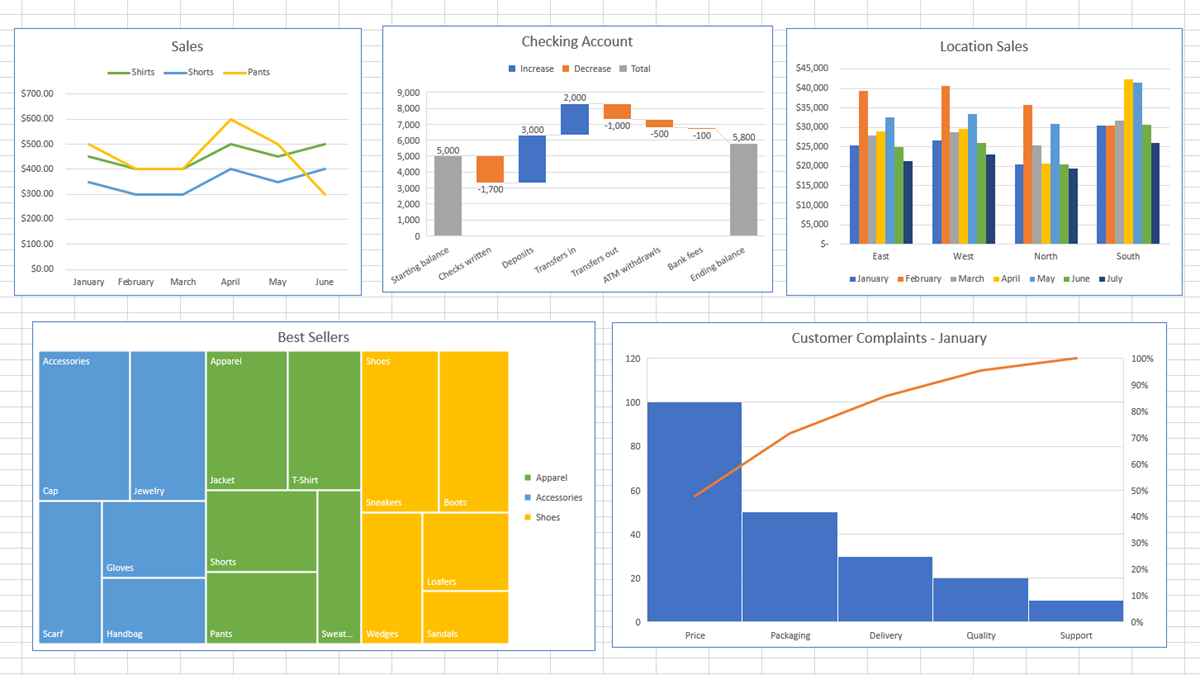
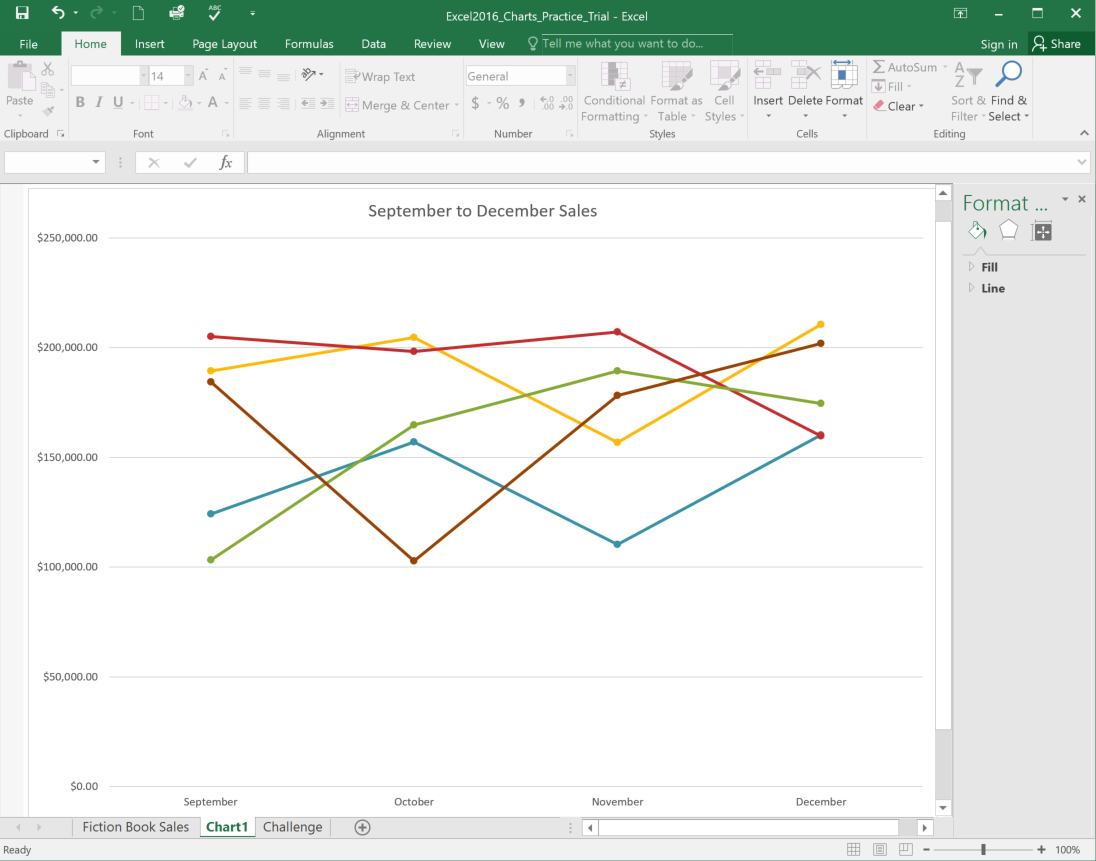
Now, let's explore the key features and functionalities commonly found within Excel Financial Report Templates. Many templates include built-in charts and graphs, allowing for visual representation of financial data. These charts can be easily customized to display specific metrics and trends. Furthermore, many templates offer pre-calculated totals and subtotals, simplifying the reporting process. Excel Financial Report Templates often include sections for detailed explanations of key figures, providing context and supporting analysis. Some templates also incorporate budgeting and forecasting features, allowing users to track progress against planned targets. The ability to easily export data in various formats (e.g., CSV, PDF) is another crucial feature, facilitating data sharing and integration with other systems. Finally, many templates offer customizable layouts and branding options, allowing businesses to create a professional and consistent look and feel.
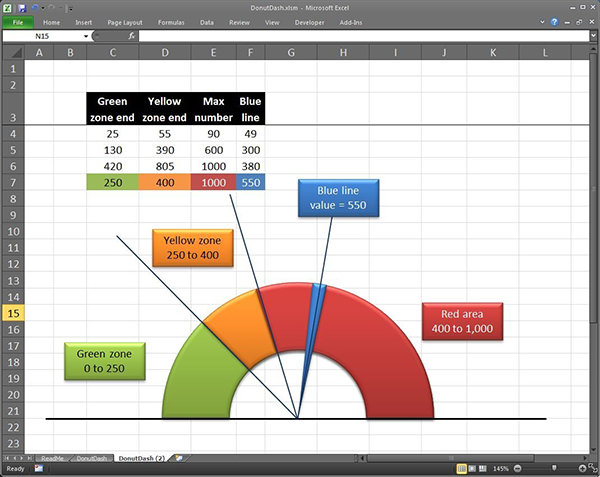
Let's examine some specific sections commonly found within a comprehensive Excel Financial Report Template. The "Income Statement" template typically includes a detailed breakdown of revenue, cost of goods sold, operating expenses, and net income. The "Balance Sheet" template presents a snapshot of a company's assets, liabilities, and equity at a specific point in time. The "Cash Flow Statement" is a critical component, illustrating the movement of cash in and out of the business. Excel Financial Report Templates often include a "Profit & Loss" (P&L) statement, which summarizes the company's profitability over a period of time. A "Key Performance Indicators (KPI)" section highlights the most important metrics for monitoring business performance. These KPIs can be customized to reflect the specific goals and objectives of the business. Furthermore, many templates include a "Variance Analysis" section, comparing actual results to budgeted or forecasted figures. This allows users to quickly identify areas where performance is exceeding or falling short of expectations. Finally, a "Notes" section provides additional context and explanations for the financial data.
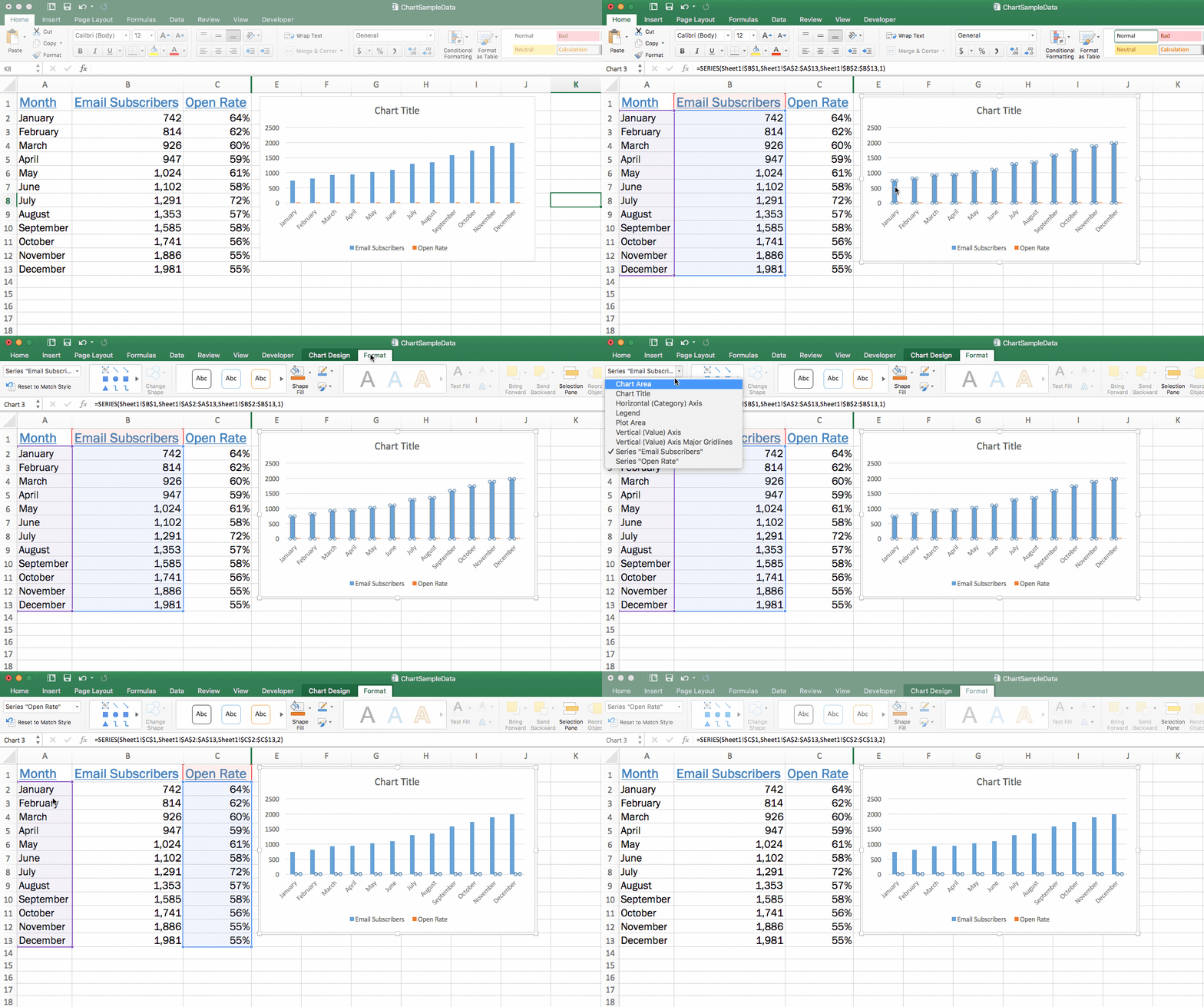
The selection of the right Excel Financial Report Template is a critical decision for any organization. There are countless templates available, each designed for different industries and business needs. Some are specifically tailored for small businesses, while others are more comprehensive and suitable for larger enterprises. Consider your specific requirements when choosing a template. Factors to consider include the complexity of your business, the level of detail required in your reports, and your budget. Don't hesitate to explore different options and customize templates to fit your unique needs. A well-designed template can significantly improve the efficiency and effectiveness of your financial reporting processes.
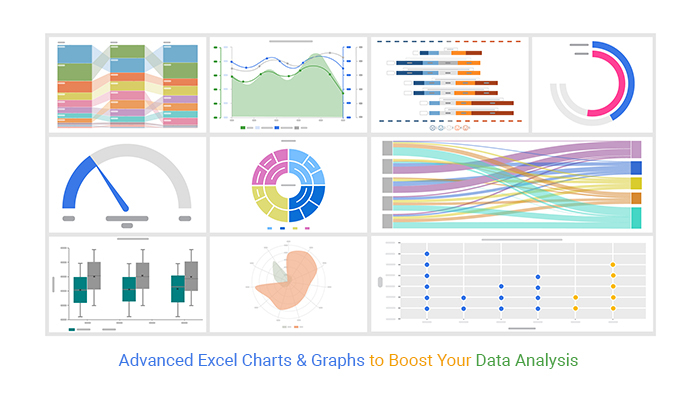
Beyond the technical features, the usability of an Excel Financial Report Template is paramount. A template that is difficult to understand or use will not be adopted by your team. Therefore, it's essential to choose a template that is intuitive and easy to navigate. Look for templates that are well-organized, clearly labeled, and include helpful tooltips and explanations. Consider the level of training required to use the template effectively. Some templates may require more advanced Excel skills than others. Investing in training for your team can ensure that they are able to utilize the template effectively. Ultimately, the success of a template depends on its ability to meet the needs of its users.
The importance of data integrity cannot be overstated. Excel Financial Report Templates are only as good as the data they contain. It's crucial to ensure that the data entered into the template is accurate and consistent. This requires careful attention to detail and a commitment to data validation. Implement data validation rules to prevent errors and ensure that only valid data is entered into the template. Regularly review the data to identify and correct any errors. Training your team on data entry best practices is also essential. A well-trained team will be more likely to maintain data integrity and ensure the accuracy of the reports. Furthermore, consider using macros to automate repetitive tasks, such as data formatting and calculations.
As you move forward, it's important to regularly review and update your Excel Financial Report Templates to ensure they remain relevant and effective. Business needs and reporting requirements change over time, so it's essential to adapt your templates accordingly. Consider incorporating new features and functionalities as they become available. Don't be afraid to experiment with different templates and approaches to find what works best for your organization. A proactive approach to template maintenance will ensure that your financial reporting processes remain efficient and effective.
In conclusion, Excel Financial Report Templates are an indispensable tool for businesses of all sizes. They offer a powerful combination of data accuracy, streamlined reporting, improved communication, and enhanced financial analysis. By carefully selecting and customizing a template, organizations can significantly improve their financial performance and gain a competitive advantage. Investing in a quality template is an investment in the future of your business. Remember to prioritize data integrity, usability, and ongoing maintenance to ensure that your templates remain a valuable asset. The benefits of utilizing an effective Excel Financial Report Template are undeniable, making it a worthwhile investment for any organization seeking to optimize its financial reporting processes.
Conclusion
The implementation of Excel Financial Report Templates represents a strategic move for businesses seeking to optimize their financial management. The benefits extend far beyond simple data aggregation; they encompass improved accuracy, streamlined workflows, enhanced communication, and a stronger foundation for informed decision-making. The versatility of Excel, combined with the readily available templates, empowers businesses to tailor reporting to their specific needs and objectives. While initial setup and training may require some investment, the long-term return on this investment – in terms of efficiency, accuracy, and strategic advantage – is substantial. As technology continues to evolve, the demand for robust and adaptable financial reporting tools will only continue to grow, solidifying the importance of Excel Financial Report Templates as a critical component of any successful business strategy. Ultimately, embracing this technology allows organizations to proactively manage their finances, anticipate challenges, and capitalize on opportunities, driving sustainable growth and success.
0 Response to "Excel Financial Report Templates"
Posting Komentar