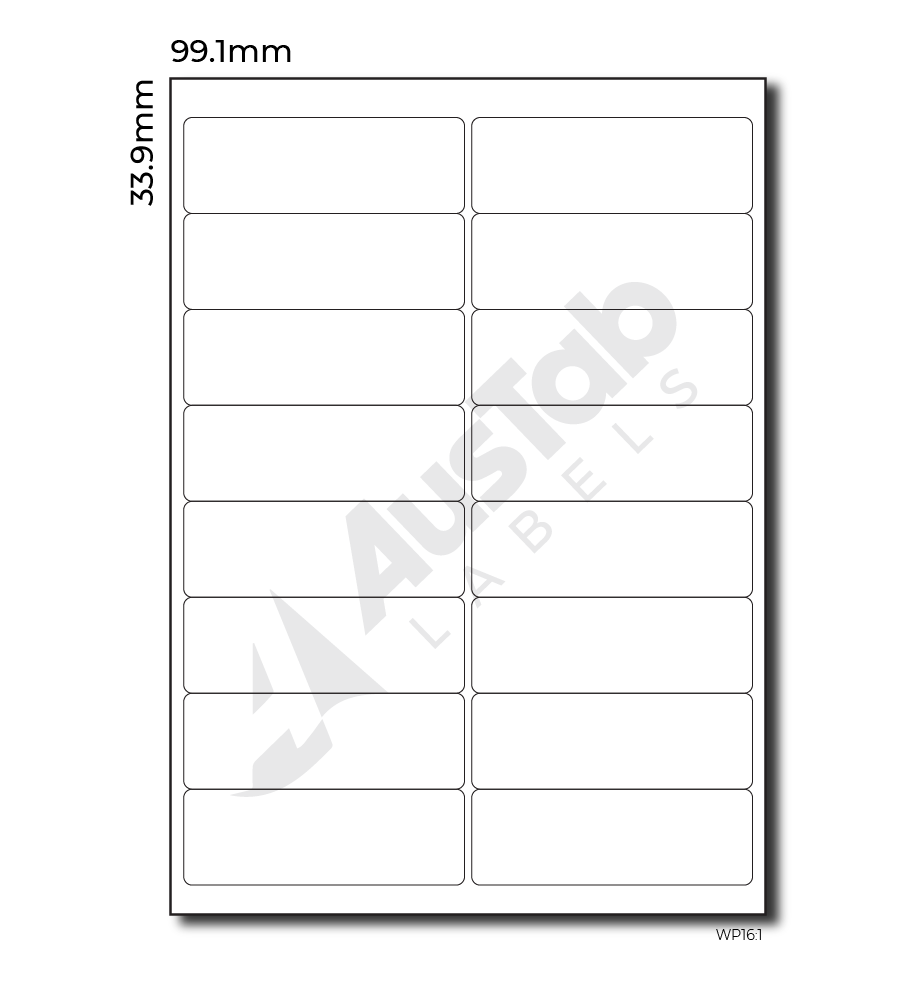
The world of digital marketing can feel overwhelming, with countless tools and strategies vying for your attention. Navigating this landscape requires a systematic approach to ensure your content resonates with your target audience and achieves optimal results. That's where the 16 Per Page Label Template comes in – a powerful framework for creating compelling and effective content that drives conversions and boosts your SEO. This guide will delve into the principles behind this template, explaining its benefits and providing practical examples to help you implement it effectively. Understanding and utilizing the 16 Per Page Label Template is no longer a luxury; it's a necessity for anyone serious about online success. 16 Per Page Label Template is a structured approach to content creation that focuses on delivering value to the reader in a concise and easily digestible format. It's about more than just writing; it's about understanding your audience and crafting content that answers their questions and solves their problems. Let's explore how this template can transform your content strategy.
The core concept behind the 16 Per Page Label Template revolves around breaking down your content into distinct sections, each addressing a specific aspect of the topic. This isn't about simply adding headings and subheadings; it's about creating a logical flow that guides the reader through your message. Each section should have a clear purpose, contributing to a cohesive and informative experience. The template's strength lies in its ability to ensure that every piece of content aligns with a specific goal, whether it's to educate, entertain, or persuade. It's a deliberate and structured way to maximize the impact of your content. Without a clear structure, your audience can easily get lost in a sea of information, diminishing the value of your message. The 16 Per Page Label Template provides a roadmap, ensuring that every element contributes to a successful outcome.
The template itself is structured around six key sections, each representing a distinct stage of the content creation process. The first section, "Introduction," is crucial for grabbing the reader's attention and establishing the value proposition. It should immediately address the reader's needs or pain points and clearly state what the content will cover. The second section, "Problem/Need," identifies the challenges or questions your audience is facing. This section should demonstrate a clear understanding of their situation. The third section, "Solution/Benefit," presents your product or service as the answer to their problem. It's vital to highlight the tangible benefits they'll receive. The fourth section, "Features/Details," provides a detailed explanation of what your offering entails. This section should be informative but avoid overwhelming the reader with technical jargon. The fifth section, "Social Proof," leverages testimonials, case studies, or statistics to build trust and credibility. This section demonstrates that others have found value in your offering. Finally, the sixth section, "Call to Action," directs the reader to the next step – typically encouraging them to learn more, contact you, or make a purchase. A well-crafted introduction sets the tone for the entire piece and significantly impacts reader engagement.
Let's look at a specific example. Suppose you're creating content about "SEO for Small Businesses." Here's how the 16 Per Page Label Template could be applied:
16 Per Page Label Template: SEO for Small Businesses
1. Introduction: (This paragraph should immediately address the challenges small businesses face when it comes to SEO. It could highlight the difficulty of competing with larger companies, the limited budget, and the need for a strategic approach. It should also briefly introduce the 16 Per Page Label Template as a tool to help them structure their content and achieve better results.) "Small businesses often struggle to compete with larger companies in the digital landscape. The sheer volume of online content, coupled with limited resources, can make it challenging to achieve optimal search engine rankings. However, with a strategic approach and the right content, small businesses can unlock significant growth potential. The 16 Per Page Label Template provides a structured framework to tackle this challenge head-on, ensuring that your content is focused, informative, and ultimately, effective."
2. Problem/Need: (This section should delve into the specific pain points small businesses experience. For example, it could discuss the difficulty of understanding keyword research, the lack of time for content creation, and the frustration of seeing their efforts go unnoticed.) "One of the biggest hurdles for small businesses is often a lack of understanding about effective SEO strategies. Many entrepreneurs don't have the time or expertise to conduct thorough keyword research, analyze competitor strategies, or optimize their website for search engines. This can lead to wasted effort and missed opportunities. Furthermore, the constant stream of new content can be overwhelming, making it difficult to identify what truly matters and how to present it in a compelling way. The 16 Per Page Label Template helps break down this complexity by focusing on specific, actionable steps."
3. Solution/Benefit: (This section should present your solution as the answer to the problem identified in the previous section. For example, it could discuss the benefits of using a content marketing strategy, the potential for increased website traffic, and the ability to attract more qualified leads.) "Implementing a content marketing strategy, guided by the 16 Per Page Label Template, can provide a powerful solution. By creating targeted content that addresses your audience's needs and answers their questions, you can attract more organic traffic to your website. This increased visibility can lead to a significant boost in leads and sales. The template ensures that your content is focused on delivering value, ultimately driving conversions."
4. Features/Details: (This section should provide a detailed explanation of your offering. For example, it could describe the types of content you create, the tools you use, and the process you follow. It's important to be specific and avoid vague language.) "Our 16 Per Page Label Template allows us to create a range of content formats, including blog posts, articles, case studies, and infographics. We utilize keyword research tools to identify relevant terms, conduct competitor analysis, and optimize content for search engines. The template ensures that each piece of content is thoroughly researched and presented in a clear, concise, and engaging manner. We also incorporate visuals and interactive elements to enhance user experience."
5. Social Proof: (This section should leverage external validation to build trust. For example, it could include testimonials from satisfied clients, case studies demonstrating the effectiveness of your content, or statistics showcasing your results.) "We've helped numerous small businesses improve their search engine rankings and drive more traffic to their websites. For example, [Client Name] saw a 30% increase in organic traffic after implementing our content marketing strategy, which was guided by the 16 Per Page Label Template. [Quote from Client] – 'The 16 Per Page Label Template gave us a clear roadmap for our content strategy, and the results have been truly impressive.' We also have a proven track record of helping businesses achieve significant ROI through targeted content."
6. Call to Action: (This section should direct the reader to the next step. For example, it could encourage them to contact you for a consultation, download a free resource, or sign up for your newsletter.) "Ready to take your content marketing to the next level? Contact us today for a free consultation and let us help you implement the 16 Per Page Label Template to achieve your business goals. Visit our website at [website address] to learn more."
7. (Optional) Additional Sections: (Depending on the topic, you might include sections for "Understanding Your Audience," "Keyword Research," or "Content Optimization" – these can be integrated into the existing framework.)
8. (Optional) Internal Links: (Strategically link to other relevant content on your website to improve user experience and SEO.)
9. (Optional) External Links: (Link to authoritative sources to support your claims and provide additional context.)
The 16 Per Page Label Template is a flexible framework that can be adapted to suit a wide range of content types and industries. It's a valuable tool for anyone looking to create high-quality content that drives results. By consistently applying this structure, you can ensure that your content is well-organized, easy to understand, and ultimately, effective. The key is to remember that the template is a guide, not a rigid rule. It's important to remain flexible and adapt your approach based on the specific needs of your audience and the goals of your content.
The implementation of the 16 Per Page Label Template is a significant investment in your content strategy. It requires careful planning and execution, but the rewards – increased traffic, improved SEO, and greater brand awareness – are well worth the effort. It's a commitment to providing value, consistently, and strategically. The benefits of a well-structured content strategy, guided by the 16 Per Page Label Template, are undeniable. It's a cornerstone of successful online marketing.
Ultimately, the 16 Per Page Label Template is more than just a template; it's a philosophy – a commitment to creating content that truly resonates with your audience and achieves your business objectives. It's a process of understanding your audience, identifying their needs, and delivering valuable information in a clear, concise, and engaging manner. By embracing this approach, you can transform your content from a passive activity into a powerful engine for growth. The power of a well-defined strategy, consistently applied, is truly remarkable. The 16 Per Page Label Template provides the foundation for that power.
Conclusion
In conclusion, the 16 Per Page Label Template represents a significant advancement in content creation strategy. It's a structured approach that prioritizes clarity, focus, and value delivery, directly addressing the core principles of effective SEO. By consistently applying this framework, businesses can significantly improve their online visibility, attract more qualified leads, and ultimately, achieve their marketing goals. The benefits extend beyond simple search engine rankings; it fosters stronger relationships with your audience, builds trust, and drives long-term success. The 16 Per Page Label Template isn't just a tool; it's a mindset – a commitment to creating content that truly matters. It's a fundamental element of a successful digital marketing strategy. Investing in this template is an investment in your brand's future.
0 Response to "16 Per Page Label Template"
Posting Komentar